
Analysis
Load time analysis
We measure up to three page types under documented conditions and show your developer where to start.
Product images appear late, selections stall or the next hosting plan costs more again. We investigate the affected part of your website and identify relevant technical changes.
Browse services in the shop View a work sampleA sluggish menu, a late product image and a high hosting bill are different tasks. A technical review therefore starts with an observable problem and a limited area. A new stack is a possible decision at the end of the investigation, not a requirement at the start.
We distinguish when content appears, how quickly an input receives a response and whether elements shift. Comparable conditions help evaluate changes meaningfully.
A cheaper plan also involves migration, setup and subsequent maintenance. We examine specific cost items and the requirements for a switch.
In a fictional shop, the first image appears quickly. As several additional scripts start, mobile navigation responds late.
The analysis examines the affected journey and scripts. A scoped change is prepared in a test environment, including checks of the functions the script previously handled.
Before and after, we compare the same page, device and journey. Improvements in lab tests are documented separately from measurements of real visitors.

A page may appear late, stutter during input or make someone wait after a click.
These observations call for different checks. Large images affect visible page loading; extensive scripts can block interaction. A delayed backend response needs investigation elsewhere. We start with the specific situation rather than recommending a hosting change for every case.
We document measurement conditions: device, connection, page and state. A lab test helps reproduce a journey. Existing field data can show what visitors actually experience. We consider these perspectives separately. A single measurement under favourable test conditions cannot describe every visitor's experience.
Technical cost reviewLoad time analysis measures agreed page types and assesses technical causes. Findings are described so your team can continue the work.
We measure up to three page types under documented conditions and show your developer where to start.
The technical cost review examines hosting, tools and services, including the effort involved in a possible switch.
Hosting, tools and ongoing services: we organise up to ten cost items and include the work involved in a possible switch.
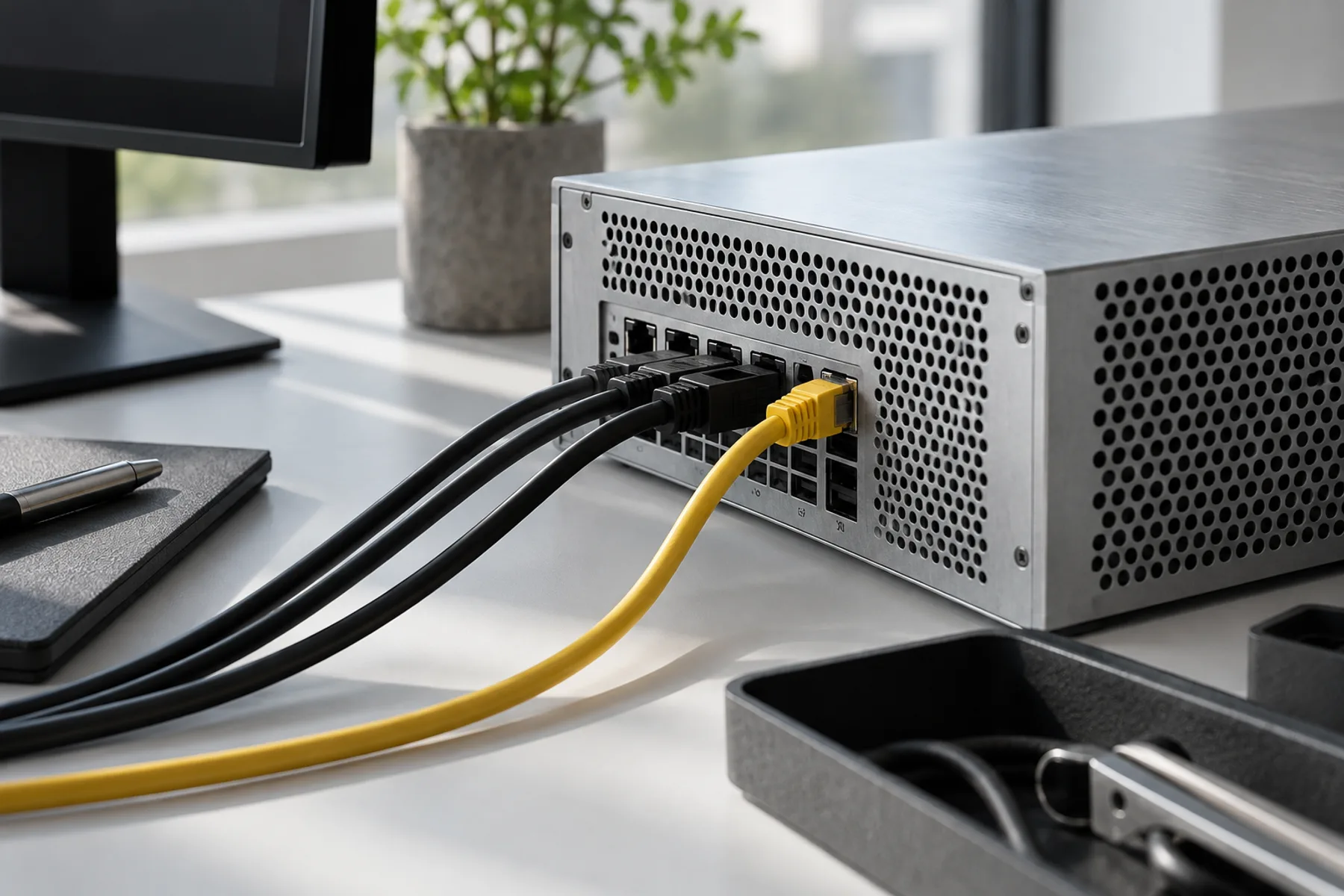
Hosting, databases, extensions and external services serve different purposes. Before changing a plan, establish why it is needed and which dependencies rely on it. A cheaper service may require additional development. A bigger server does not automatically fix an inefficient query or data loaded twice. The technical cost review examines the affected components within the agreed scope.
Calculate a switch across the full period. Development, migration and tests come on top of the cheaper plan; the old service may keep running for a while. Its cost disappears only once it is turned off. The review shows which costs would actually change.
Read the guideShow where you wait and the steps leading up to it. We record the device and connection and repeat the journey. Sign-in state or a particular product variant may also matter.
We examine the resources and dependencies within the agreed scope. The report distinguishes evidence from hypotheses. Each suggested intervention names the problem it is intended to solve.
We agree a test process and a rollback route for unexpected errors with the current operator. Implementation is defined as a separate task.
After a correction, we repeat the same journey. Device, connection and starting state must be comparable to assess the change.
Give us the affected link and describe what you do before it stalls. A short sequence is more useful than a general quality score. Add the device and browser if you know them.
The shop platform or framework, hosting and key external services help us assess the situation. Include known constraints from the current developers. Do not send passwords or private keys through the enquiry form.
For a cost review, relevant plans and their usage are helpful. For a new performance problem, note what changed just beforehand, such as a plugin, image format or additional integration.
It can provide clues but does not cover every journey. We combine specific observations with relevant measurements and document the conditions.
We first establish the existing system and task. If a useful change is possible within it, there is no need for a blanket rebuild. We discuss technical constraints and the access required.
Analysis provides findings and an order for the next actions. Development or migration is agreed as separate work. You can also commission your existing team to implement it.
For slow visible interaction, start with load time analysis. For plans and technical dependencies, consider the technical cost review. The technology and stack review addresses whether your architecture and tools fit the planned expansion.
An active outage first needs someone with access to the running system. Describe that situation explicitly: a planned analysis is not an on-call service. Once the application is reachable again, existing logs can help investigate the cause.