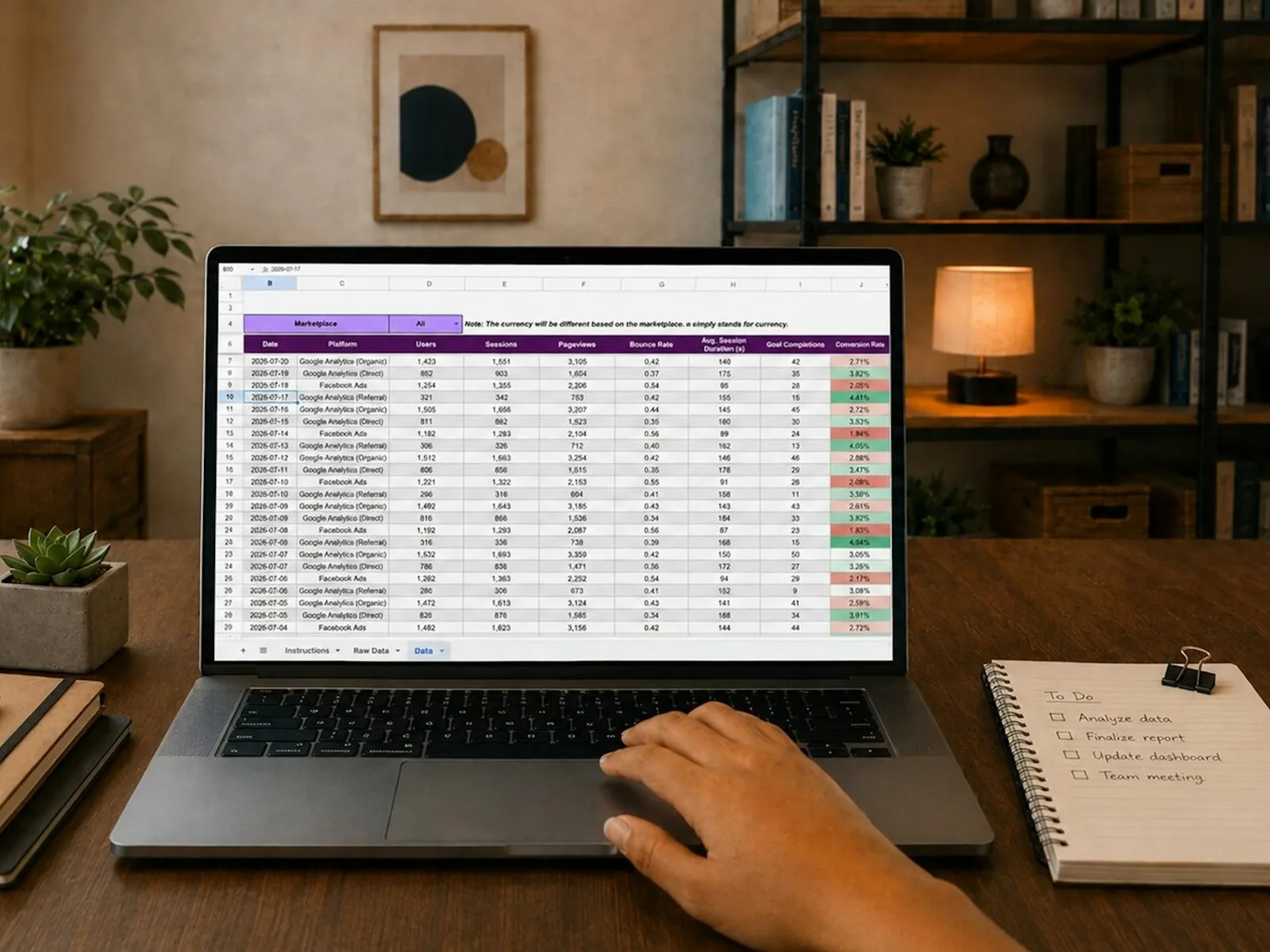
Analytics data check
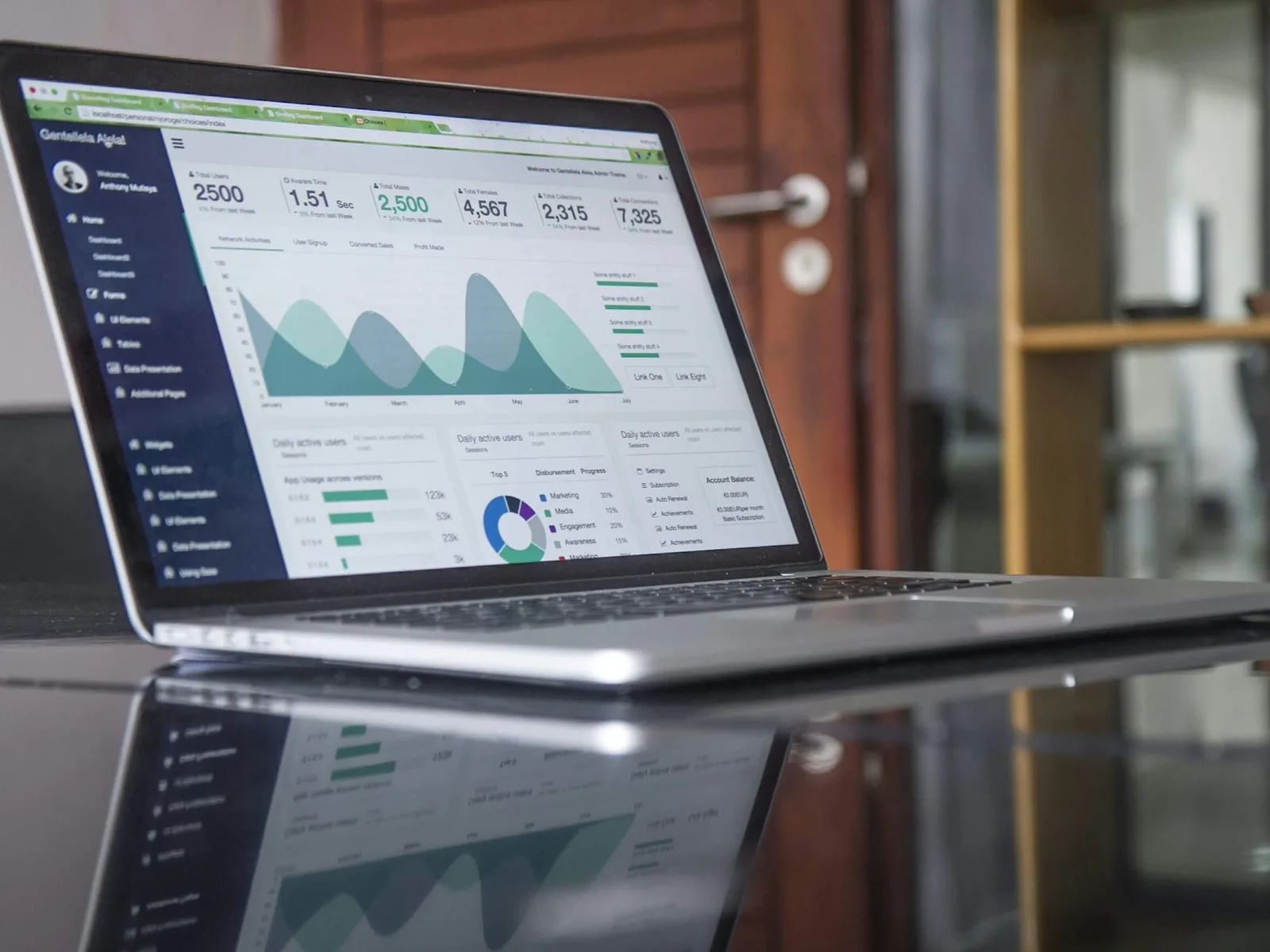
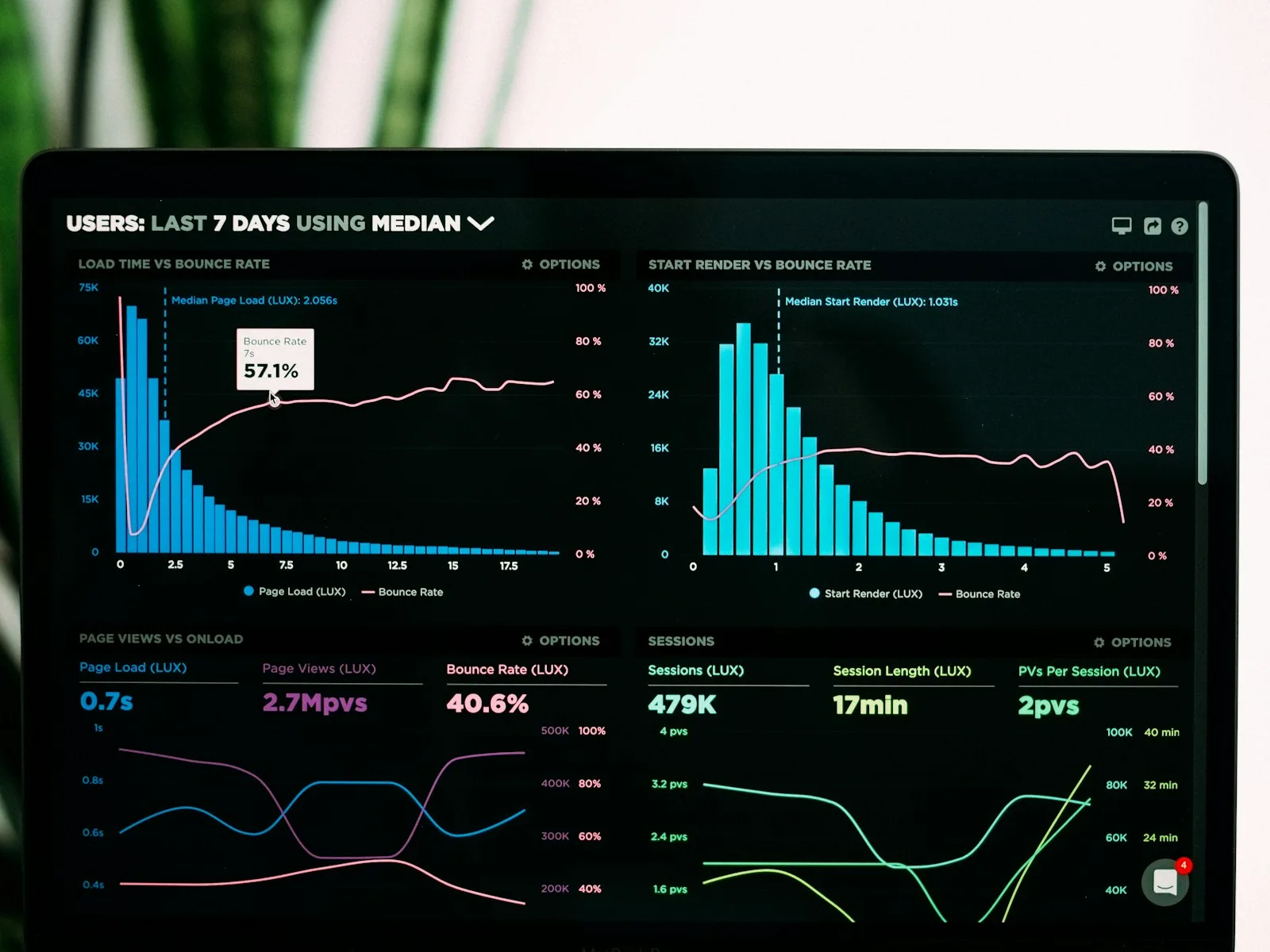
Which events does your tracking actually count? We check one analytics property for gaps and conflicting figures.
VAT-exempt under section 19 of the German VAT Act
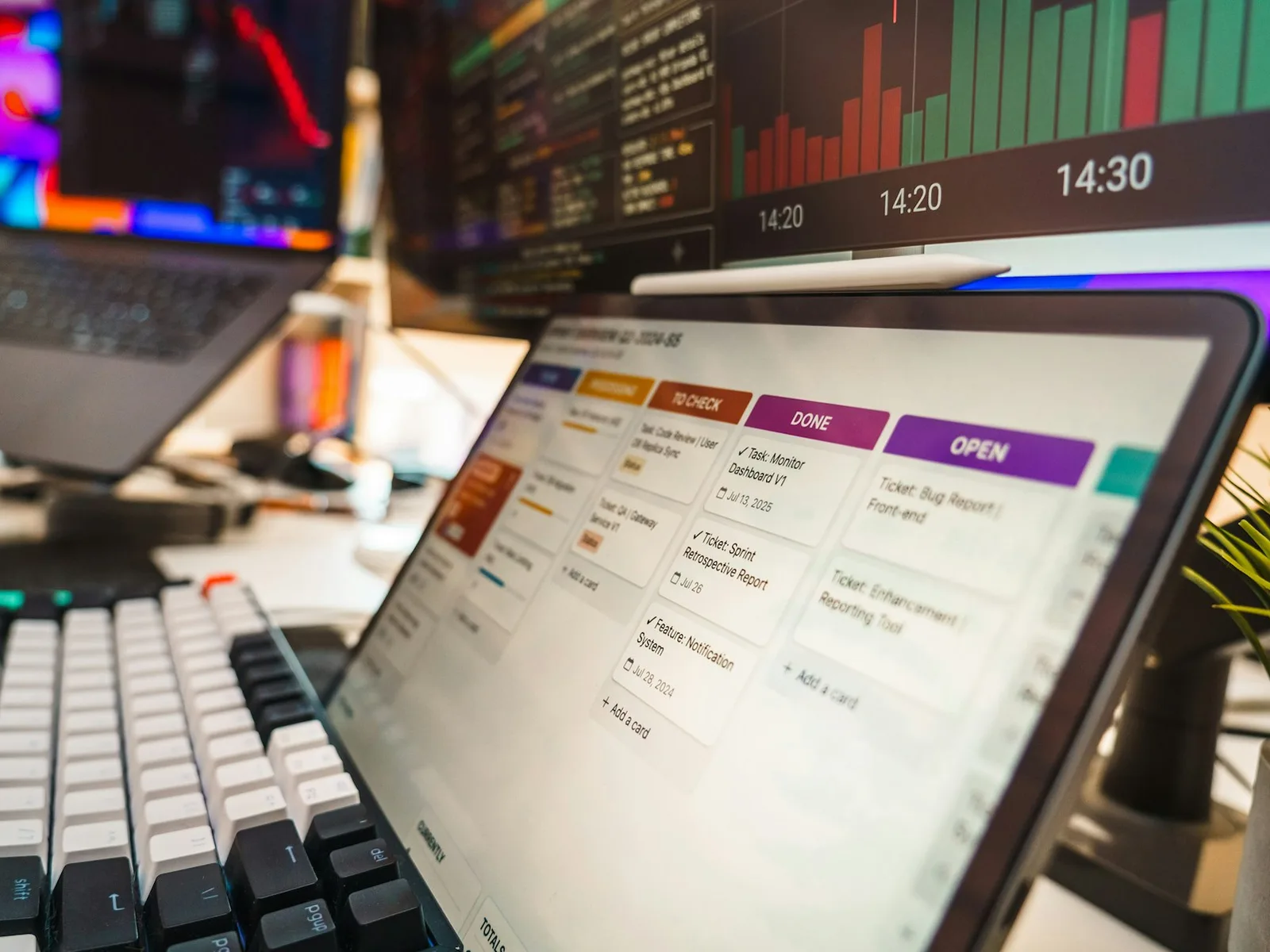
Which events does your tracking actually count? We check one analytics property for gaps and conflicting figures.
Why your shop and analytics show different figures, and where to start investigating.

What has changed since the initial diagnosis? We review agreed metrics, implemented changes and the next tasks.

What do the figures show before and after a change? We compare up to five metrics and review other influences that limit the conclusions.

Which manual tasks are worth automating? We examine one workflow involving up to three applications and assess benefits, effort and ongoing costs.
Define your first workflow and plan how to handle missing information.

We implement one recurring workflow with n8n, Zapier or Make: up to three applications, one trigger and a clearly defined outcome.

An existing automation stalls or produces incorrect results. We investigate one workflow and fix up to three agreed causes.

Investigate why your workflow creates duplicate contacts or tasks.

Synchronise contacts, products or order statuses between two systems, with an authoritative source, defined field rules and traceable conflict handling.
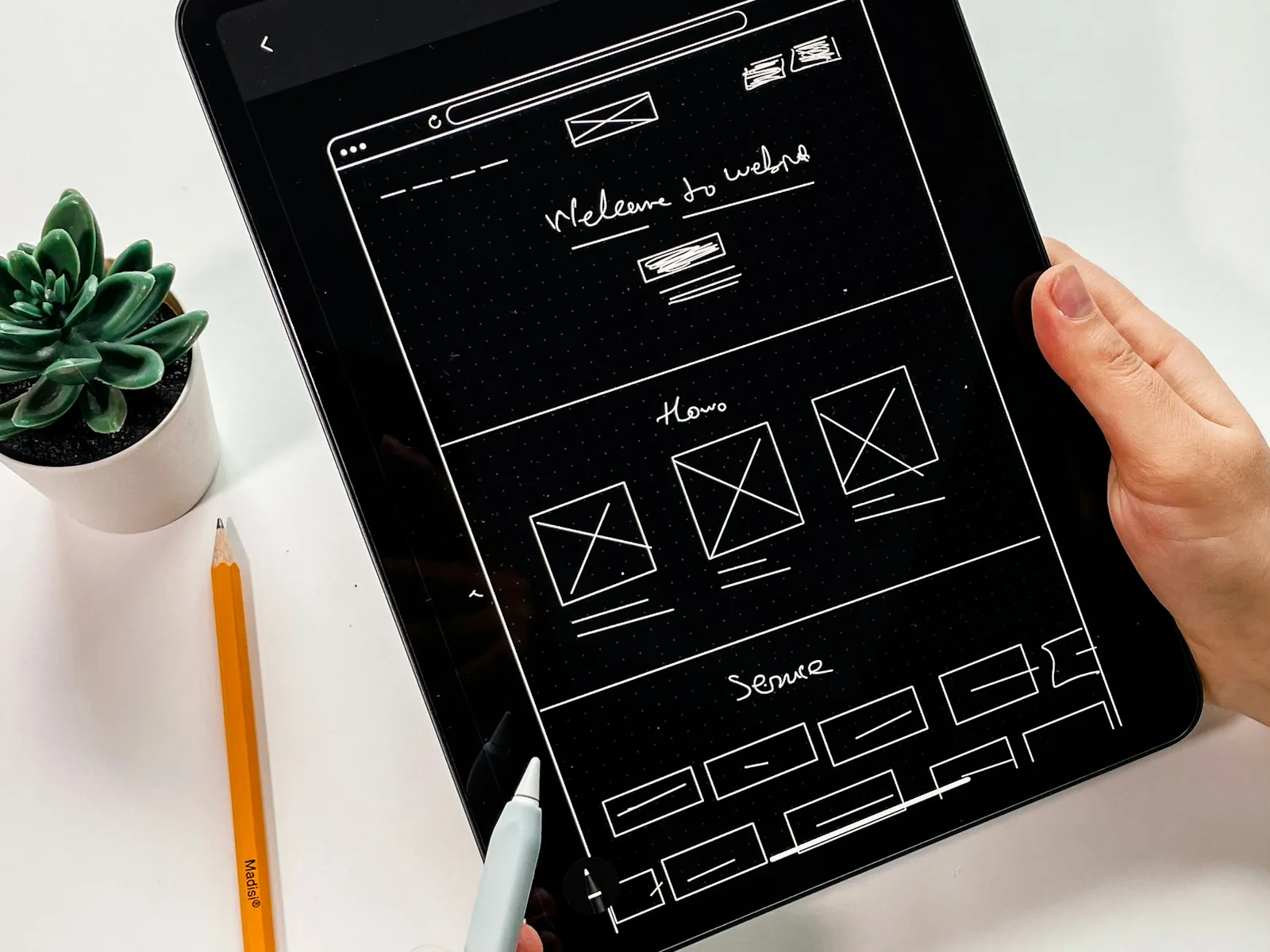
Extract recurring documents and pass on structured information: one document type, up to ten fields and visible checks for uncertain results.
Why extracted documents still need someone to check their meaning.

Support one clearly defined task with AI: classify messages, assign information or prepare drafts, with test cases and human approval.

Review and make limited improvements to up to three existing workflows over four weeks, with a fixed time allowance, named responsibilities and documented changes.

We review one product page and the cart. Find out where information is missing and which changes to test first.

Do visitors understand your offer? We review one service page and the path to an enquiry, even without analytics data.

We examine one purchase journey and the available analytics data. The report sets out findings, open questions and the next tests.

We measure up to three page types under documented conditions and show your developer where to start.
What to check before rebuilding your shop.

Up to three agreed changes to your existing frontend. We work in a test environment and document the results.

Do you really need a rebuild? We review an application's structure and explain what to keep or change.

Hosting, tools and ongoing services: we organise up to ten cost items and include the work involved in a possible switch.

Your prototype works in the demo. We review one user journey and identify what is missing before your next launch.

Does your imagery fit your offer? We review up to ten images and five page sections, then recommend a visual direction.

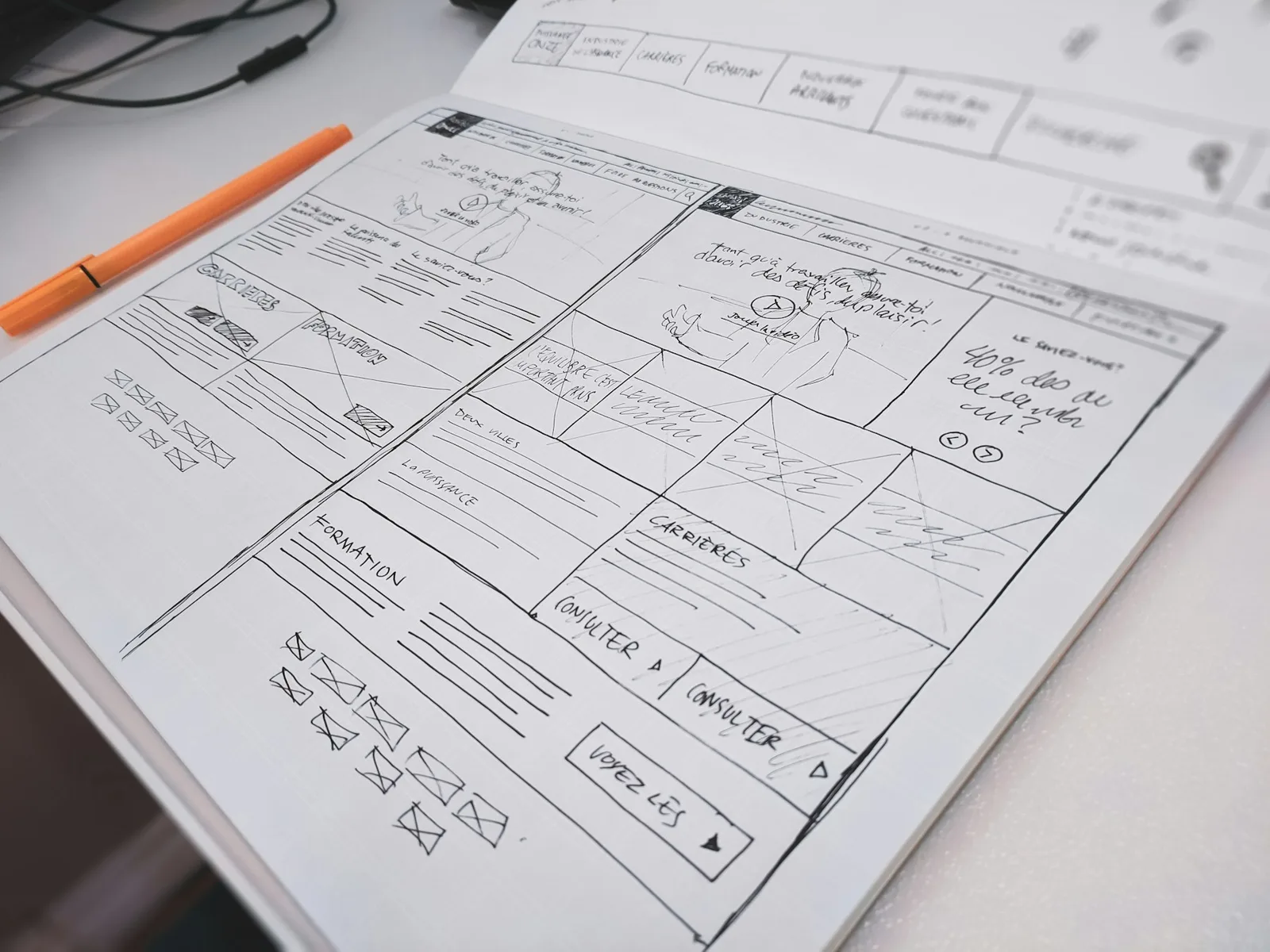
A new design for one existing page, on desktop and mobile, with organised content and development notes.

How do user questions inform your product decisions? We review documents and written feedback from your team and suggest up to five changes.

What do comparable services promise, and how do visitors get started? We research up to five providers and compare the findings with sources.

We speak to five people from an agreed audience about one research question. You receive a thematic analysis of their comments and open questions.

You are choosing between product options. We compare up to three using your existing materials and write a decision brief.

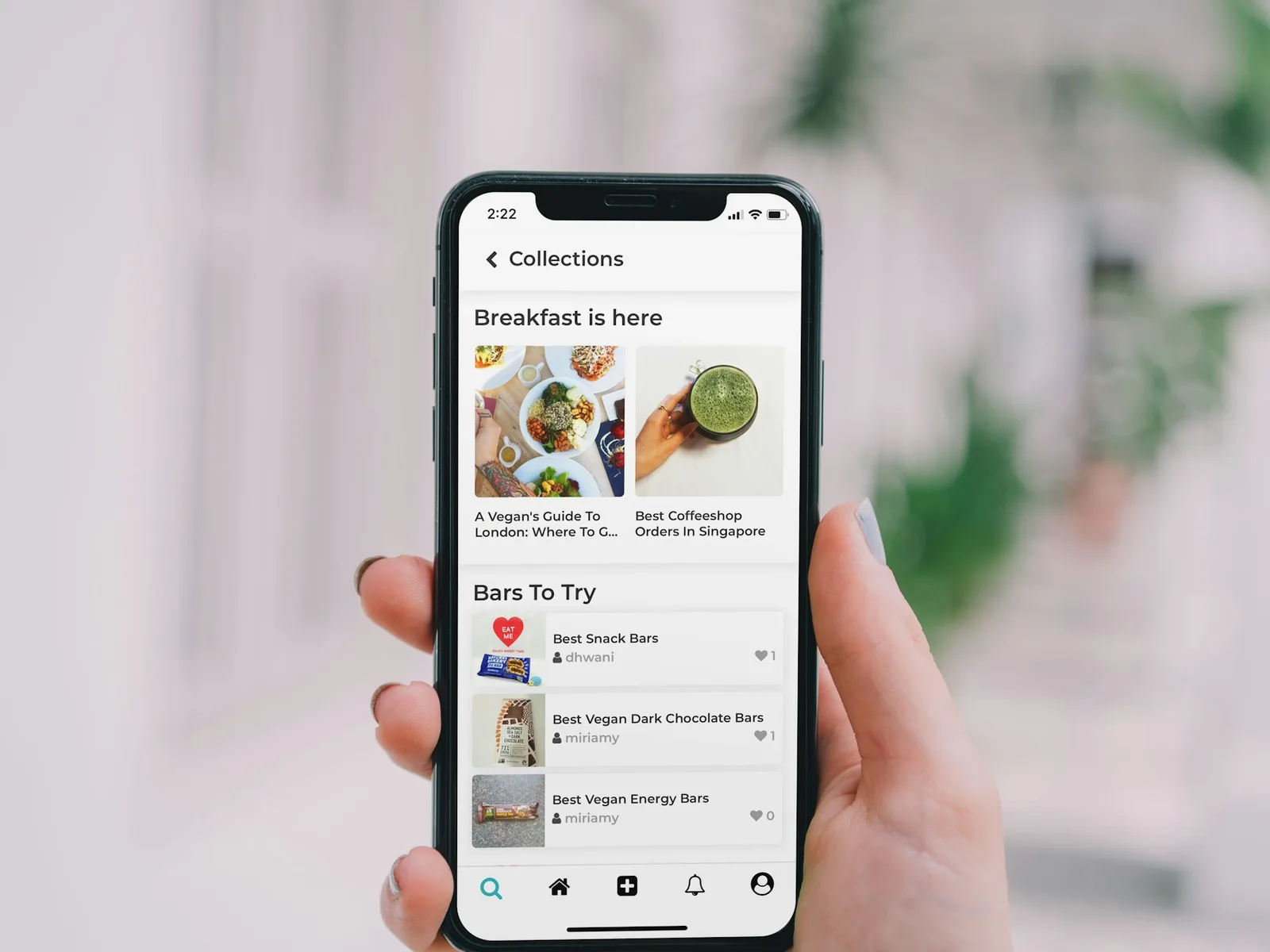
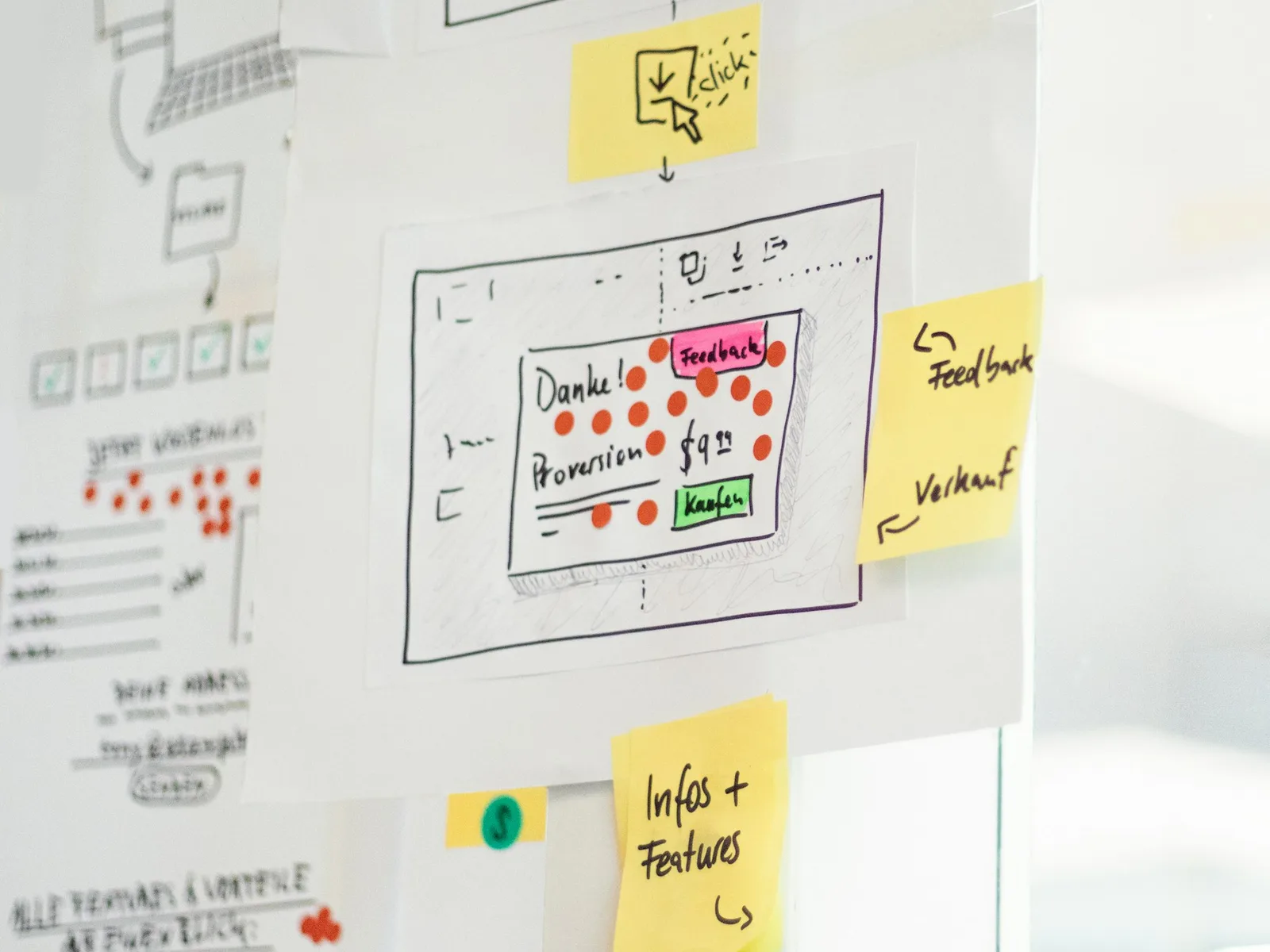
What should the journey look like before development? We design up to five screens or states and connect them into a clickable prototype.
Questions to settle before launching an AI prototype.

Buttons, guidance and error messages need to fit the actual journey. We revise up to 30 German text elements within one user flow.

Can five test participants use your product? We observe them completing up to three tasks and record where they need help.

Your developers are implementing an approved design. We compare two interim versions with the design and discuss agreed implementation questions.

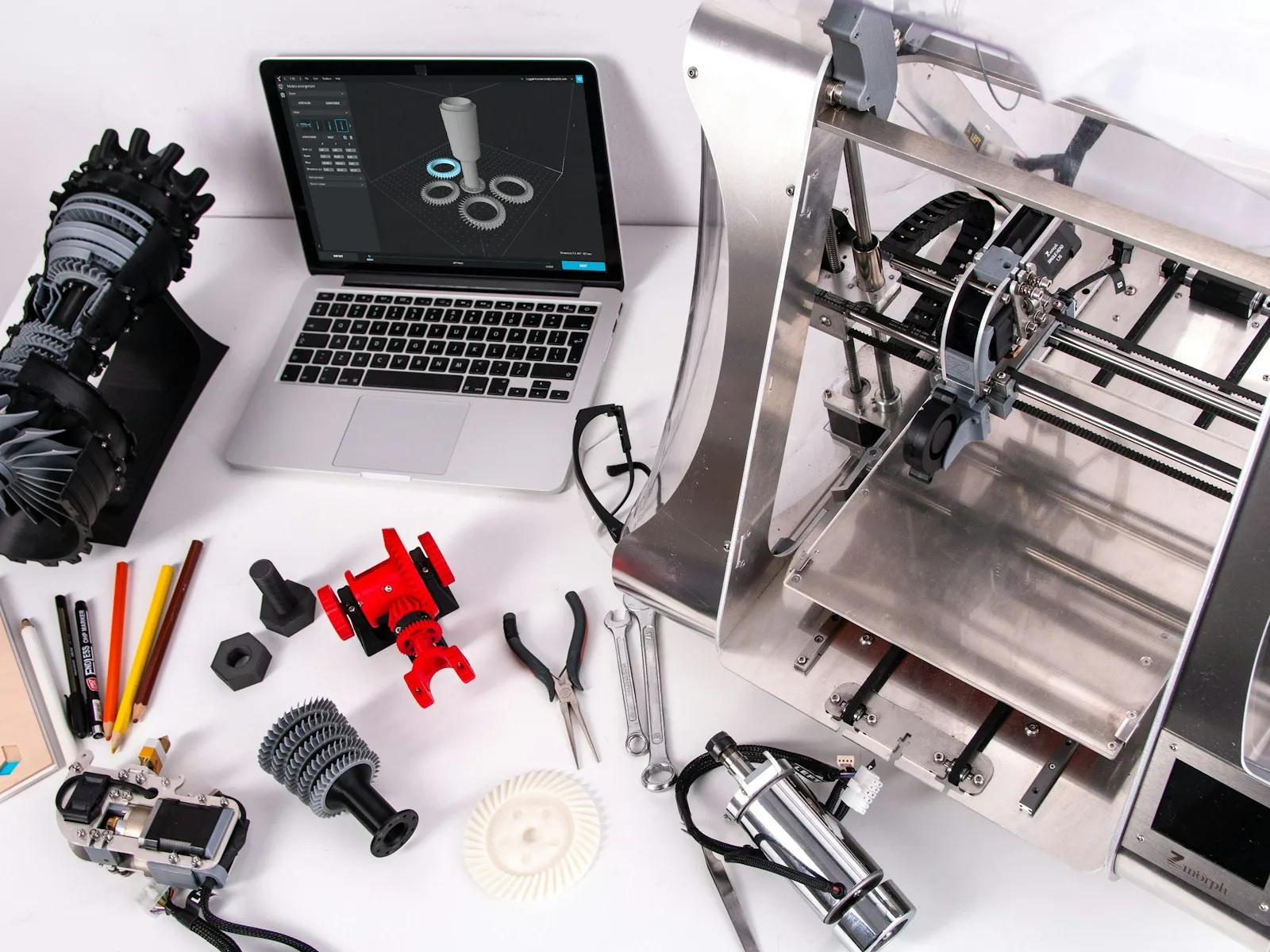
Photos and dimensions become a digital product model for later use in renderings, animations or an interactive view.

Receive three agreed product images from your existing 3D model, with suitable perspectives, lighting and materials.

We prepare a large 3D model for the browser, with an agreed file size, visible details and documented display limitations.
Which product questions an image, 3D view or short clip can answer.

Your customers can rotate a product and inspect it on your website, with a preview image and understandable controls.

A short 3D animation shows your product's construction or function as a finished clip for your website and presentations.

Customers configure a defined product variant and see their selection on the 3D model, with clear combination rules.

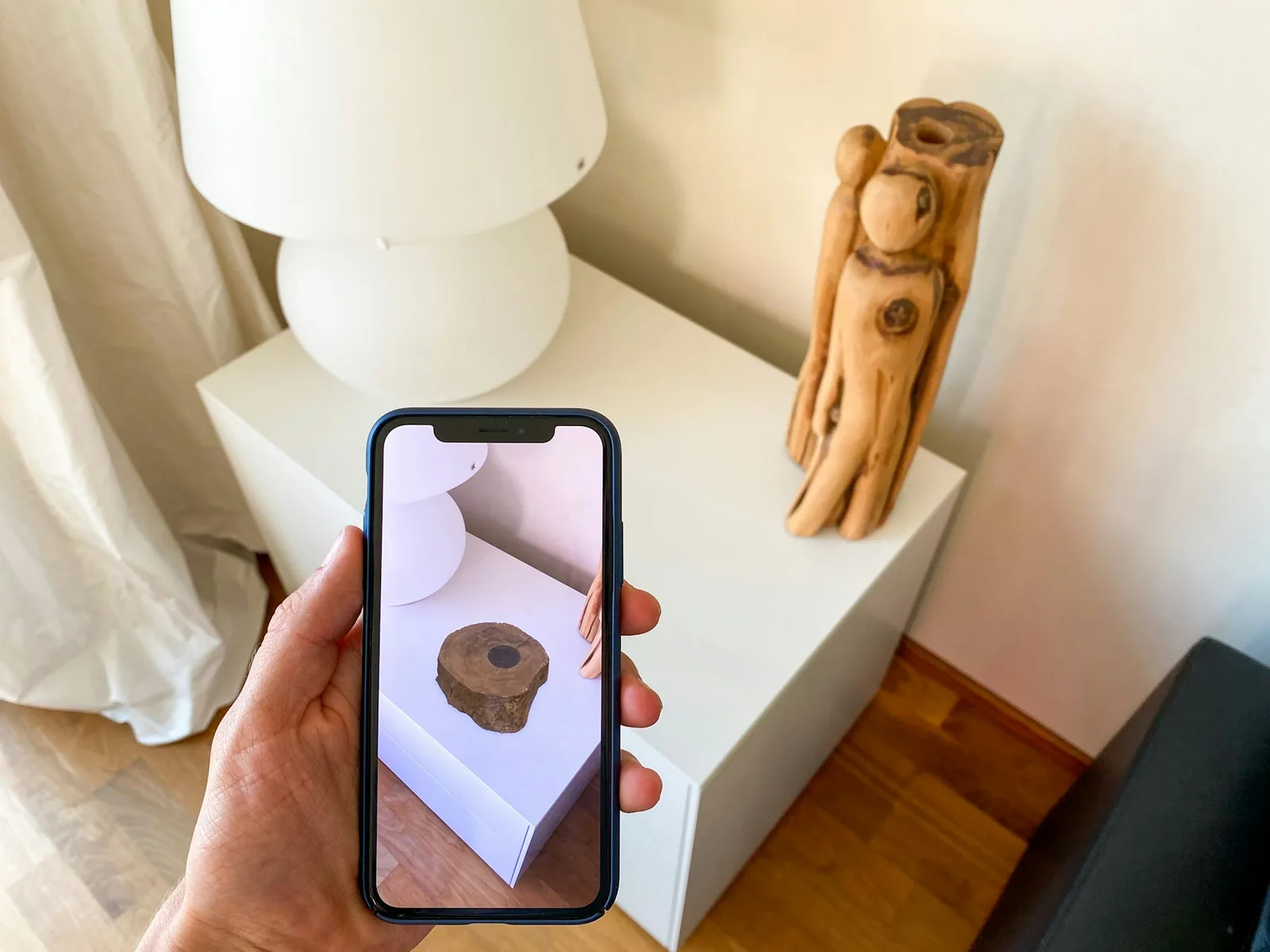
Customers can view an existing product model in their surroundings on supported mobile devices, alongside a standard product view.
A configurator needs rules for the variants you actually offer.

We turn an approved design into a responsive website or landing page that works on small and large screens.

Make targeted changes to a product page, navigation or cart in an existing shop, using the current system.
What developers need beyond a desktop layout to build a working page.

A web application receives up to five usable views for one defined workflow, connected to existing APIs.

A form guides people through entering information, validation and confirmation, connected to an existing messaging or booking service.
Why the final available booking must be checked when it is saved.

A calculator, service finder or simple configurator makes one clearly described decision usable on your website.

We build recurring interface elements as shared code components, with defined variants, states and documentation.
When shared components help, and when modernisation needs a different starting point.

We restructure a defined part of your existing frontend to make it easier to maintain while preserving the agreed user behaviour.

Your application exchanges one clearly defined data type with an existing service, including error handling and documented handover.

Your application receives a documented API for controlled reading and modification of one defined data area.

We implement one clearly described business process on the server, with rules, storage and documented failure cases.

Add sign-in and defined access for up to three roles to an existing application, including account recovery and permission checks.

A new data area receives a clear structure, relationships and rules, with a verifiable schema change.
The operations, access and failure cases to settle before integration.

Move a defined dataset to a destination system using documented rules, with a trial run, error report and record count reconciliation.
Check an import for lost information and incorrect mappings.

We measure a slow server process and make targeted improvements, with a documented before-and-after comparison for the agreed test case.

We extend an existing backend within a limited work package, with prioritised tasks and documented changes.

Give customers protected access to their own cases and approved documents through a defined portal with clear roles.

A defined booking application connects availability, reservations and internal administration for one resource type.

Turn one recurring internal process into a small web application, with shared data and clear responsibilities.
Which access rules to define before developing a client portal.

We turn a clearly scoped product idea into a first usable web application, with one core journey, an interface and a backend.

Build a small website or a defined shop as one connected project, from site structure through to a technical test version.

We handle small changes and agreed routine maintenance on your existing website or shop within a limited period.
What to agree about maintenance, updates and recovery.

Continue developing your existing application across frontend and backend within a prioritised development block.

We regularly review and document an application's technical condition within a limited support period.
All prices are final prices. No VAT is charged under section 19 of the German VAT Act. Your selection is a non-binding enquiry, not an order.