


Implementation
Frontend optimisation
Up to three agreed changes to your existing frontend. We work in a test environment and document the results.
We measure up to three page types under documented conditions and show your developer where to start.
Your enquiry is non-binding. An order is created only when you accept our quotation .

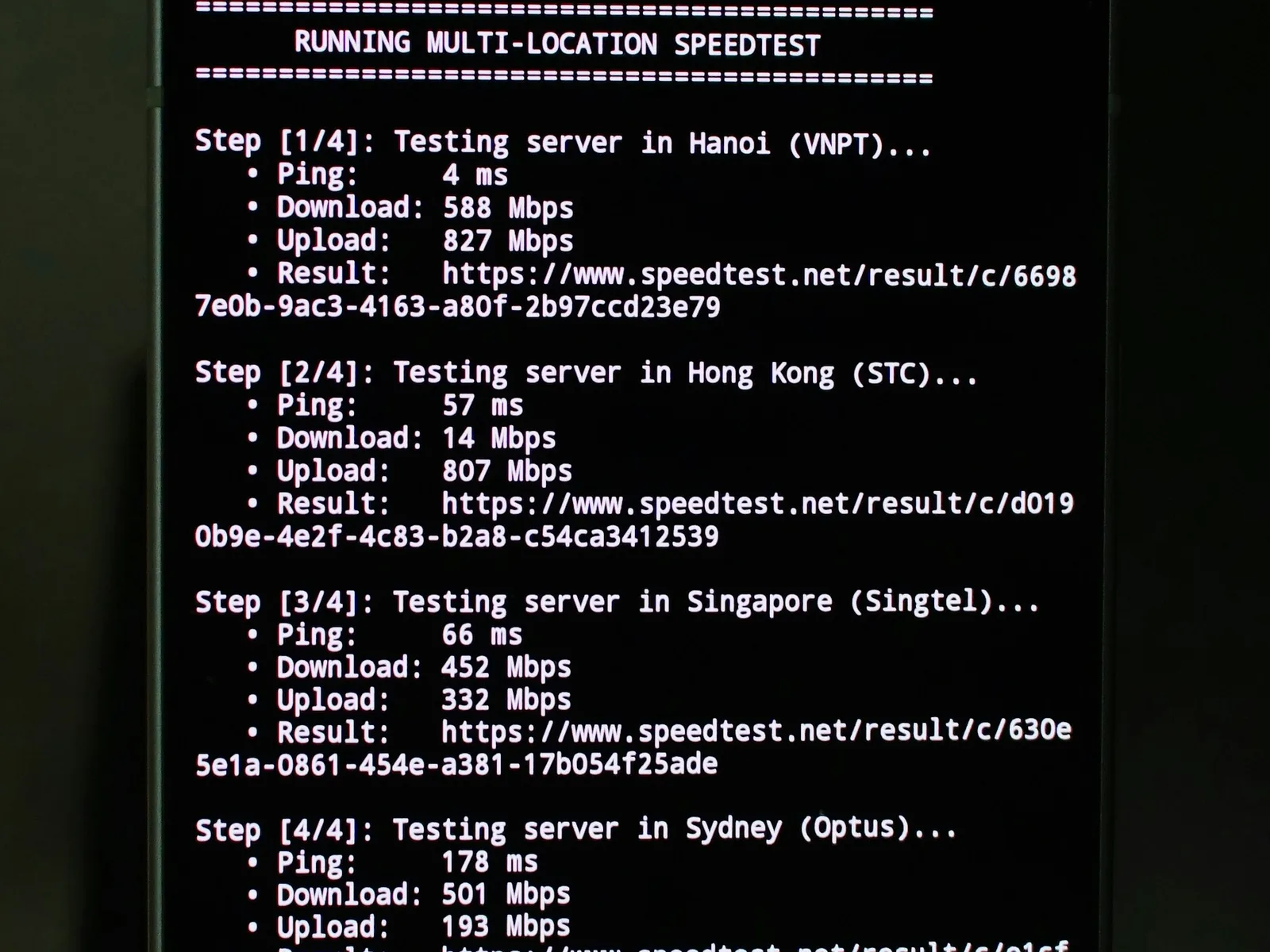
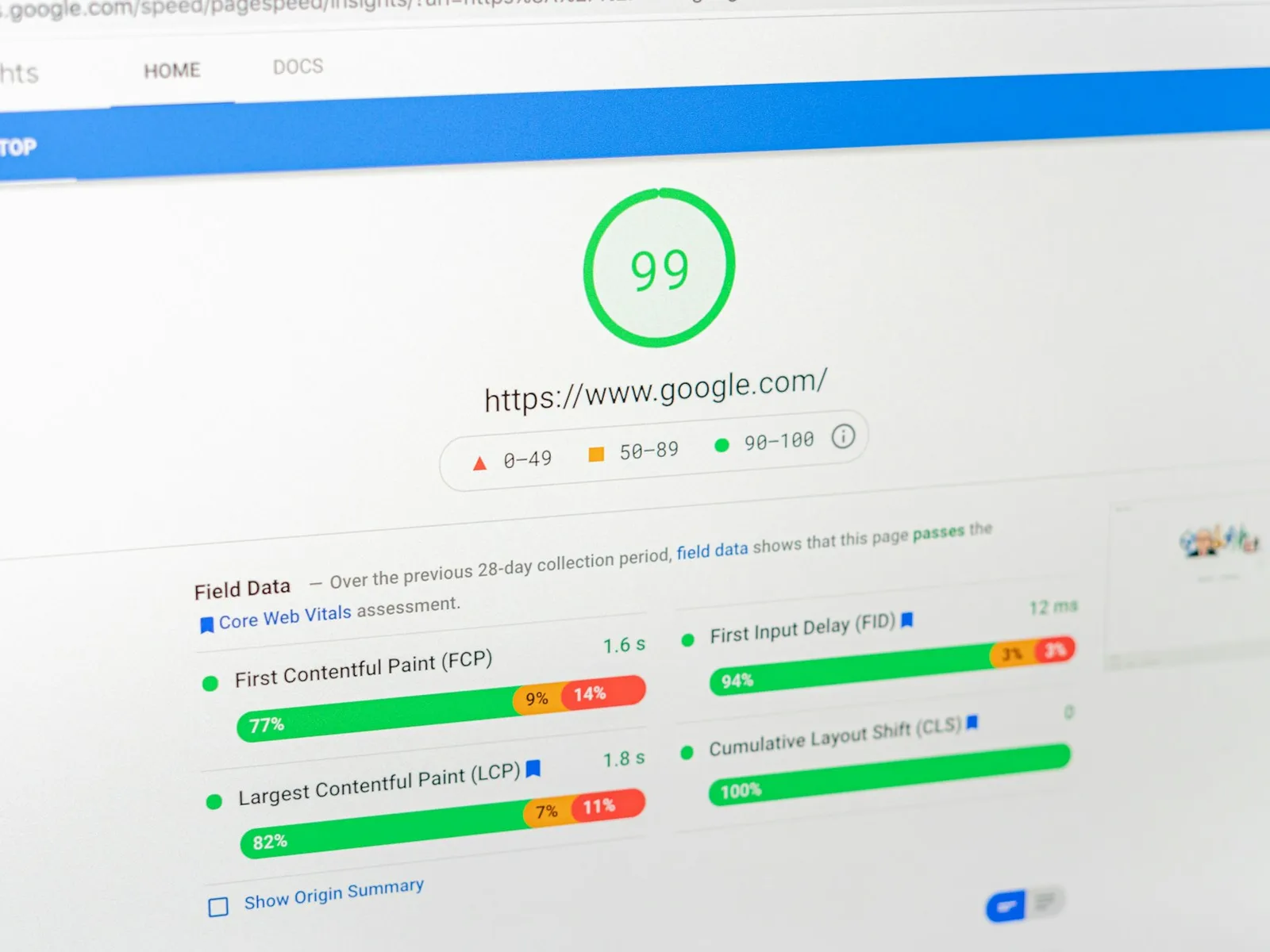

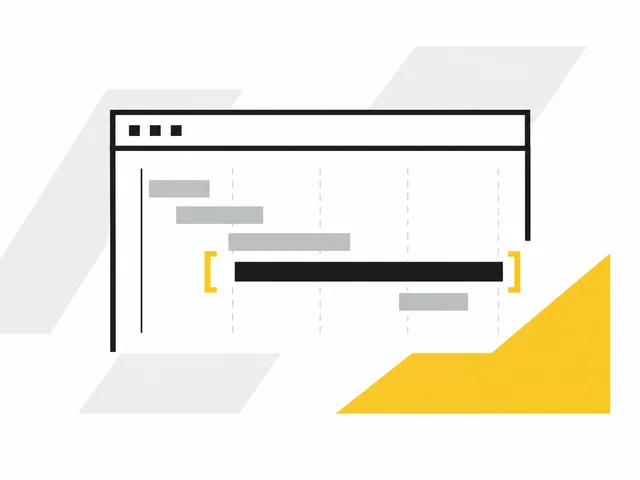
Image 1 of 4
The page appears immediately on your computer, but the main image stays blank on a phone. We examine the loading sequence under documented conditions and look for files or services delaying it.
The loading-time analysis examines up to three representative page types under documented conditions. Instead of measuring every subpage individually, we might choose a homepage, product page and category page. The report shows which resources or dependencies need closer work and how measurements were produced.
A lab measurement is a test under defined conditions. Field data comes from actual usage and is not available for every website. These perspectives answer different questions. We therefore label them separately and do not claim user values when only a technical test is available.
Core Web Vitals describe when important content appears, how quickly a page responds to input and whether elements shift unexpectedly. We assess technical findings within the agreed scope. We guarantee neither a PageSpeed score nor improved search positions; implementation is excluded.
PageSpeed shows a red value and a long list of suggestions. We assess which relate to the page structure examined and which conditions underlie the measurement.
The page is fast on your computer, but a first-time phone visitor waits for the product image. We document device, connection and cache state so the measurement can be repeated.
The team could shrink images, remove an app or rework JavaScript. The analysis relates observed delays to these causes and explains where to begin.
We choose up to three page types to suit the question. This examines relevant pages instead of treating a homepage as a stand-in for the whole shop.
Lab measurements have documented conditions. Existing field data is considered separately. If it is missing or does not support the selected section, that gap remains visible. You can distinguish reproducible tests from what is known about real visits.
We identify notable files, processes or layout shifts and rank recommendations by relevance. Your development team sees where to act. We do not copy automated tool suggestions without review.

Choose a recommendation with development and repeat the same measurement after the change. A small difference within measurement variation remains inconclusive. Interaction must still work too, such as variant selection after removing a shop app.
Frontend optimisation is a separate implementation service for a predefined goal. If application architecture, deployment or maintainability is the main concern, the technology and stack review fits better. A loading-time report does not replace a complete technical assessment.
Record a process we can reproduce: which page do you open, what do you click and what happens next? For operational questions, name the tools used and describe how changes reach the server.
Passwords, repository tokens and production data must not be included in the enquiry. We agree required documents and suitable access separately.
What is included, what do you need and what happens after your enquiry?
The process in detail →Such a test is a useful starting point and provides technical clues. The analysis adds selection of suitable pages, documented conditions and a reasoned order for your project. Its value lies in interpreting findings, not copying a publicly available score.
No. Test conditions and embedded services can change results. A single score also does not replace examining the actual user experience. We describe findings and next actions, not a guaranteed score.
A defined frontend optimisation may fit after reviewing the code and specific goal. The loading-time analysis itself includes no system changes. You can also implement recommendations with your existing team.
Lab data comes from defined test conditions. Field data describes recorded real visits and needs a suitable baseline. Each answers different questions. The report keeps them separate and does not claim field values where such data is unavailable.
A single URL can be a starting point. The package allows up to three representative page types selected for the question. Many similar subpages do not automatically mean each is reviewed in full or an entire website receives technical acceptance.
The relevant usage context is defined in advance and documented in measurement conditions. Mobile loading and response problems can then be investigated. A performance analysis does not replace a complete user test or comprehensive review of every mobile interaction.
The work window is confirmed in writing before commissioning. Work starts once all required materials are available.
Accessible pages or an agreed test environment Selection of relevant page types and usage context Existing aggregated field data, if available Credentials must not be included in the enquiry. Details are agreed only after written commissioning.
One written follow-up round is included. The service scope lists the analyses, designs or technical changes covered by the package. We agree additional work with you before it begins.
What must work before the first use? Review a user journey including failure cases and record which technical questions remain afterwards.
Read the guide ↗Up to three agreed changes to your existing frontend. We work in a test environment and document the results.

Do you really need a rebuild? We review an application's structure and explain what to keep or change.