

Implementation
Build a web application interface
A web application receives up to five usable views for one defined workflow, connected to existing APIs.
Your application receives a documented API for controlled reading and modification of one defined data area.
Your enquiry is non-binding. An order is created only when you accept our quotation .

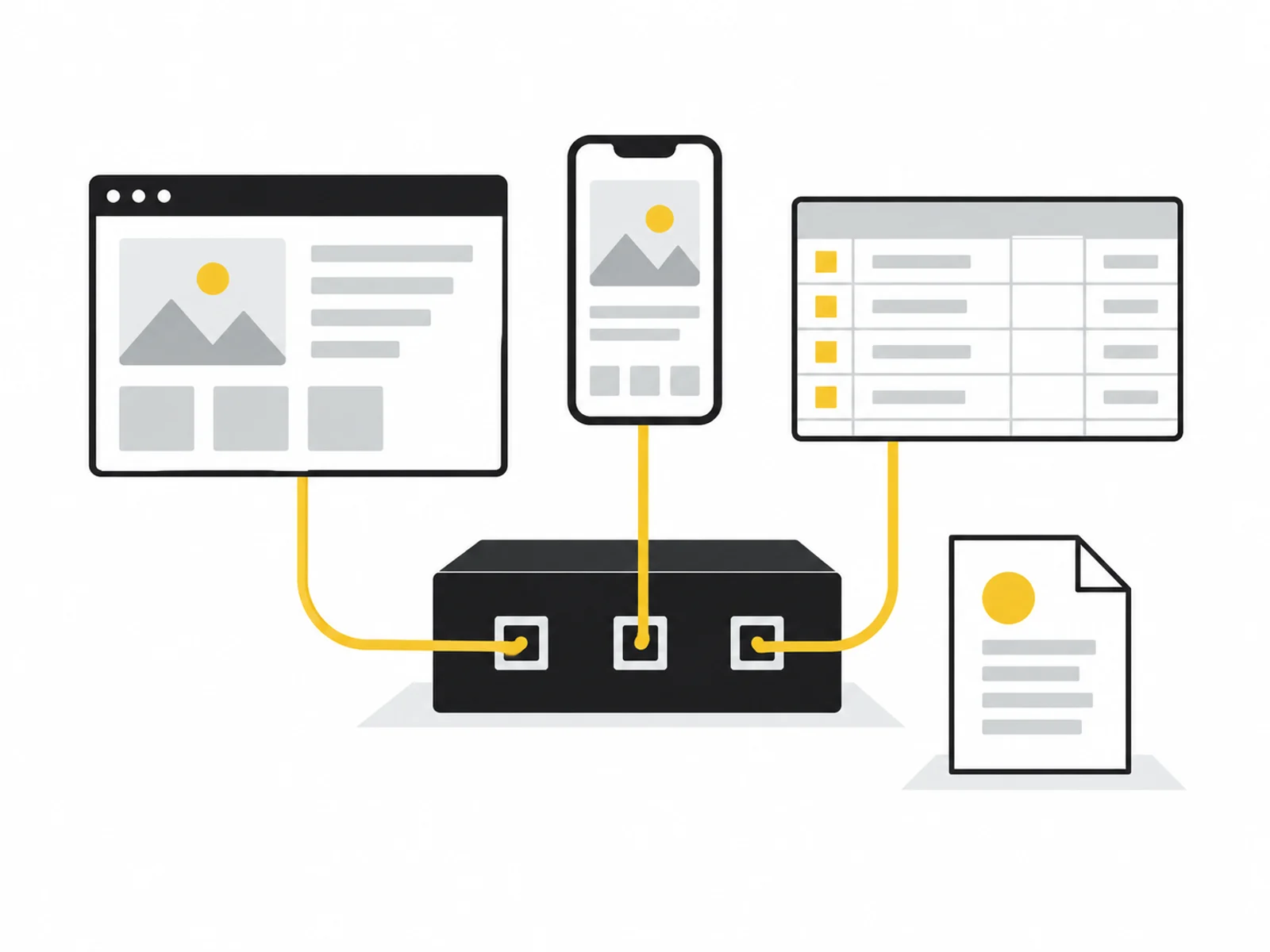

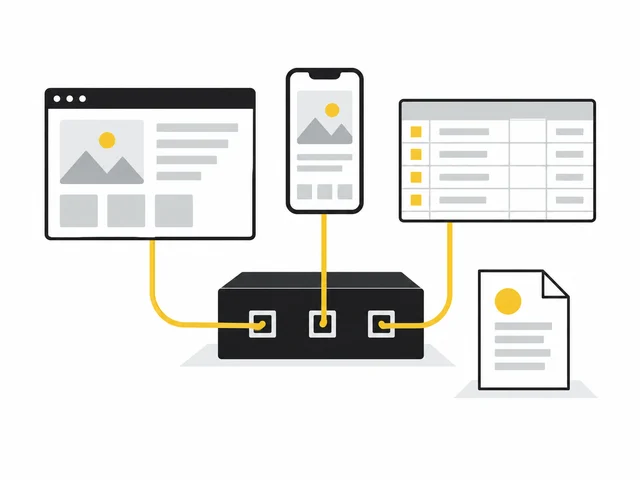
Image 1 of 4
A custom API defines which data may be read and which actions triggered. It may connect an existing backend to a new web interface. The package develops up to five endpoints for one clearly defined data area within your existing application.
Formats, permissions and errors are explicitly described. A frontend must not decide alone which records a user can see. The API checks agreed access server-side and rejects unauthorised requests clearly. New central authentication is excluded.
API users need reliable field, filter and response information. We define this contract before implementation, including empty results, invalid input and missing permission. Result lists are appropriately limited rather than returning unlimited data at once.
Endpoints use the existing data model. If structure or business logic still needs creating, that work is scoped separately. Documentation and tests then help coordinate API changes deliberately with consumers.
Frontend and backend should cooperate through a defined contract. We limit actions and fields to those actually needed.
Not all internal data may be published. Permissions, allowed fields and access method are defined before technical implementation.
Different response formats complicate integration. Shared data and error structures are documented for the agreed area.
We define endpoints around specific use cases. Fields, filters, roles and expected error responses form implementation's basis.
Validation and access checks connect to the existing system. Lists and write actions have clear rules and limits.
Integration tests check normal requests, invalid values and missing permissions. Documentation includes intended usage examples.

The API extends an existing backend area. It replaces neither complete architecture review nor general security approval of the application.
Format changes may affect connected applications. Versioning and later contract changes are described for the agreed use.
Describe the intended function and an example of a successful process. Name existing systems and the roles involved without sharing real customer data or credentials.
After your enquiry, we clarify which data the function processes, which rules it must follow and which systems it must contact. Required documents and test access are agreed separately.
What is included, what do you need and what happens after your enquiry?
The process in detail →The package requires an existing data area. A new model or major schema changes are planned separately, not silently absorbed into API work.
Existing authentication is used. New registration, account recovery and role management belong to the accounts and permissions service.
Yes. Endpoints, formats and relevant responses are described with examples so integration need not rely on assumptions about the server.
No general capacity assurance is made without a defined load profile. Agreed access is tested; specialised load tests and scaling need their own scope.
Yes, within the chosen architecture. New areas and actions still need fresh definition of permissions, data contract and tests.
We confirm the start and delivery deadline in writing after reviewing your documents. The agreed scope and complete source data determine the schedule.
An existing backend with data model and defined access concept Specific actions, user roles and examples of required data Credentials must not be included in the enquiry. Details are agreed only after written commissioning.
One written follow-up round is included. The service scope lists the analyses, designs or technical changes covered by the package. We agree additional work with you before it begins.
Can the existing API create the order you need? Clarify data fields, access rights and handling of missing responses before integration.
Read the guide ↗A web application receives up to five usable views for one defined workflow, connected to existing APIs.

A new data area receives a clear structure, relationships and rules, with a verifiable schema change.