

Implementation
Build an API
Your application receives a documented API for controlled reading and modification of one defined data area.
A new data area receives a clear structure, relationships and rules, with a verifiable schema change.
Your enquiry is non-binding. An order is created only when you accept our quotation .
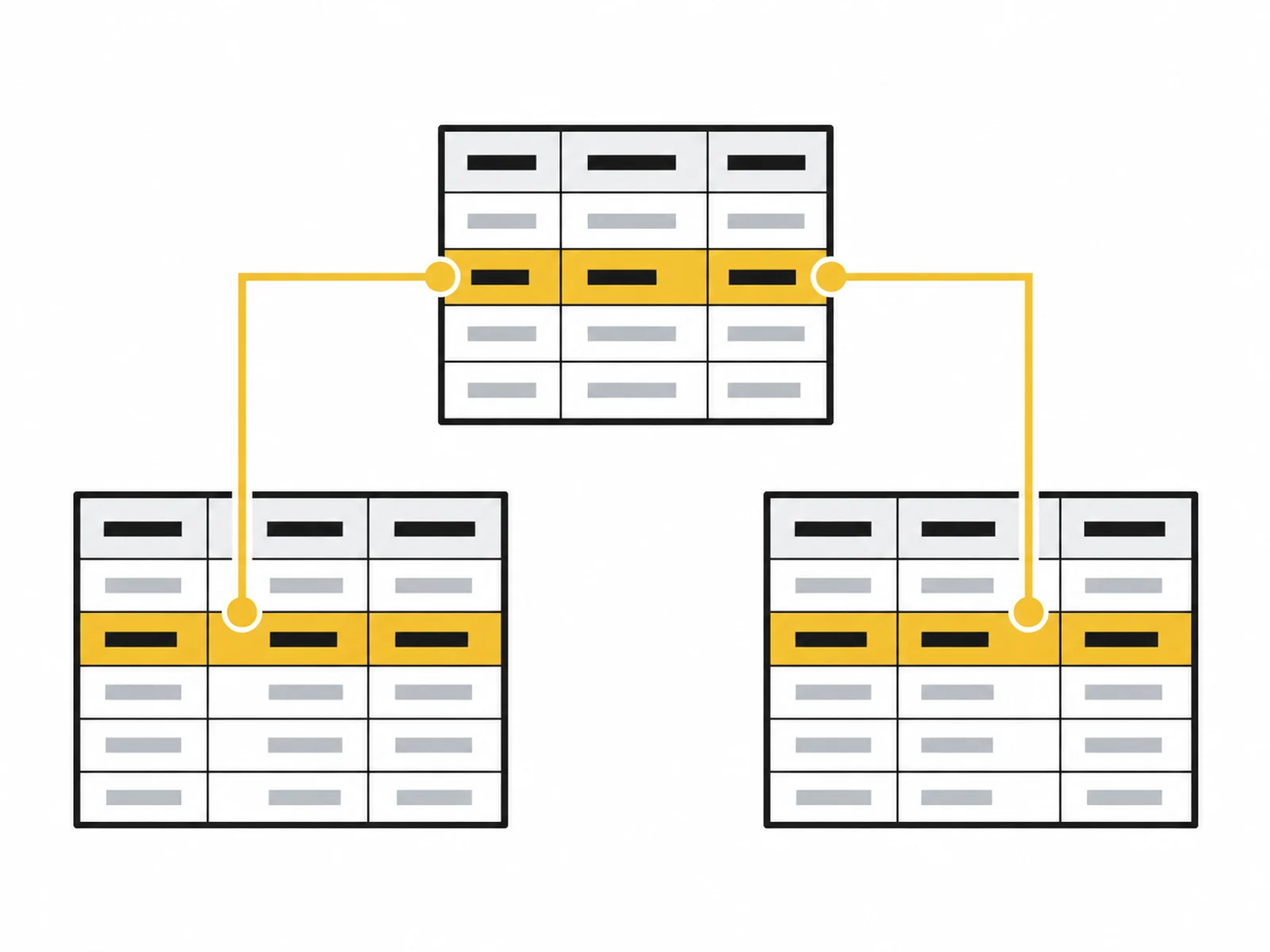


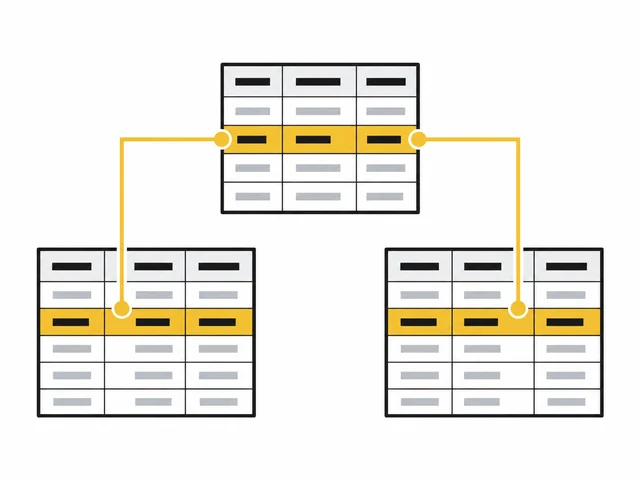
Image 1 of 4
A data model describes stored information and its relationships. A customer may have several enquiries; an enquiry belongs to a project. The package models one limited data area and implements it in the existing technical environment.
Rules matter too: which details are required, what must be unique and what happens when a record is removed? These decisions are clarified with the business. The schema change is versioned and tested with suitable data. Large legacy-data transfers are separate work.
A collection of tables is not yet a sound model. Relationships must fit real processes. If a case may belong to several projects, that relationship must be explicit. Unclear rules are not hidden in arbitrary free-text fields.
Constraints such as uniqueness and required values support data quality. Indexes help intended queries but also have costs. Implementation follows the agreed area and its use, not a blanket collection of as many tables as possible.
Storage must fit processes before interface development. We jointly define objects, relationships and required details.
Duplicated details make changes harder. A targeted model defines ownership and relationships for the agreed area.
Manual changes are hard to repeat. Versioned migration makes intended structure and application verifiable.
We use specific examples and clarify uniqueness, required values and deletion behaviour. Scope remains limited to the agreed data area.
The model is implemented using existing database technology. Relationships, rules and suitable indexes are created with a versioned change.
Migration and typical access are checked on isolated data. Handover and documentation explain the model, assumptions and intended application method.

A new schema does not automatically improve old data. Incomplete or contradictory existing values need separately planned cleanup and mapping.
Implementation covers one area within the existing system. Backup operation, high availability and a complete database architecture are not automatically set up.
Describe the intended function and an example of a successful process. Name existing systems and the roles involved without sharing real customer data or credentials.
After your enquiry, we clarify which data the function processes, which rules it must follow and which systems it must contact. Required documents and test access are agreed separately.
What is included, what do you need and what happens after your enquiry?
The process in detail →We review the existing environment and use suitable existing technology if it meets the task. Changing systems requires a separate justified commission.
The schema change is tested with test data. Larger historical transfers, cleanup and business mapping belong to the separate migration offer.
Development uses isolated test data. Applying migration in production requires an expressly agreed procedure with backup and rollback planning.
An API may be needed for controlled access by other application parts. Its development is not automatically part of the data model.
Technical deletion behaviour is defined for agreed relationships. You must approve the business retention periods and legal requirements underlying it.
We confirm the start and delivery deadline in writing after reviewing your documents. The agreed scope and complete source data determine the schedule.
An existing technical environment and specific data examples Business rules for relationships, retention and permitted changes Credentials must not be included in the enquiry. Details are agreed only after written commissioning.
One written follow-up round is included. The service scope lists the analyses, designs or technical changes covered by the package. We agree additional work with you before it begins.
Check row counts, identifiers and relationships before a data import changes existing records.
Read the guide ↗Your application receives a documented API for controlled reading and modification of one defined data area.

Move a defined dataset to a destination system using documented rules, with a trial run, error report and record count reconciliation.