

Implementation
Build a web application interface
A web application receives up to five usable views for one defined workflow, connected to existing APIs.
We implement one clearly described business process on the server, with rules, storage and documented failure cases.
Your enquiry is non-binding. An order is created only when you accept our quotation .

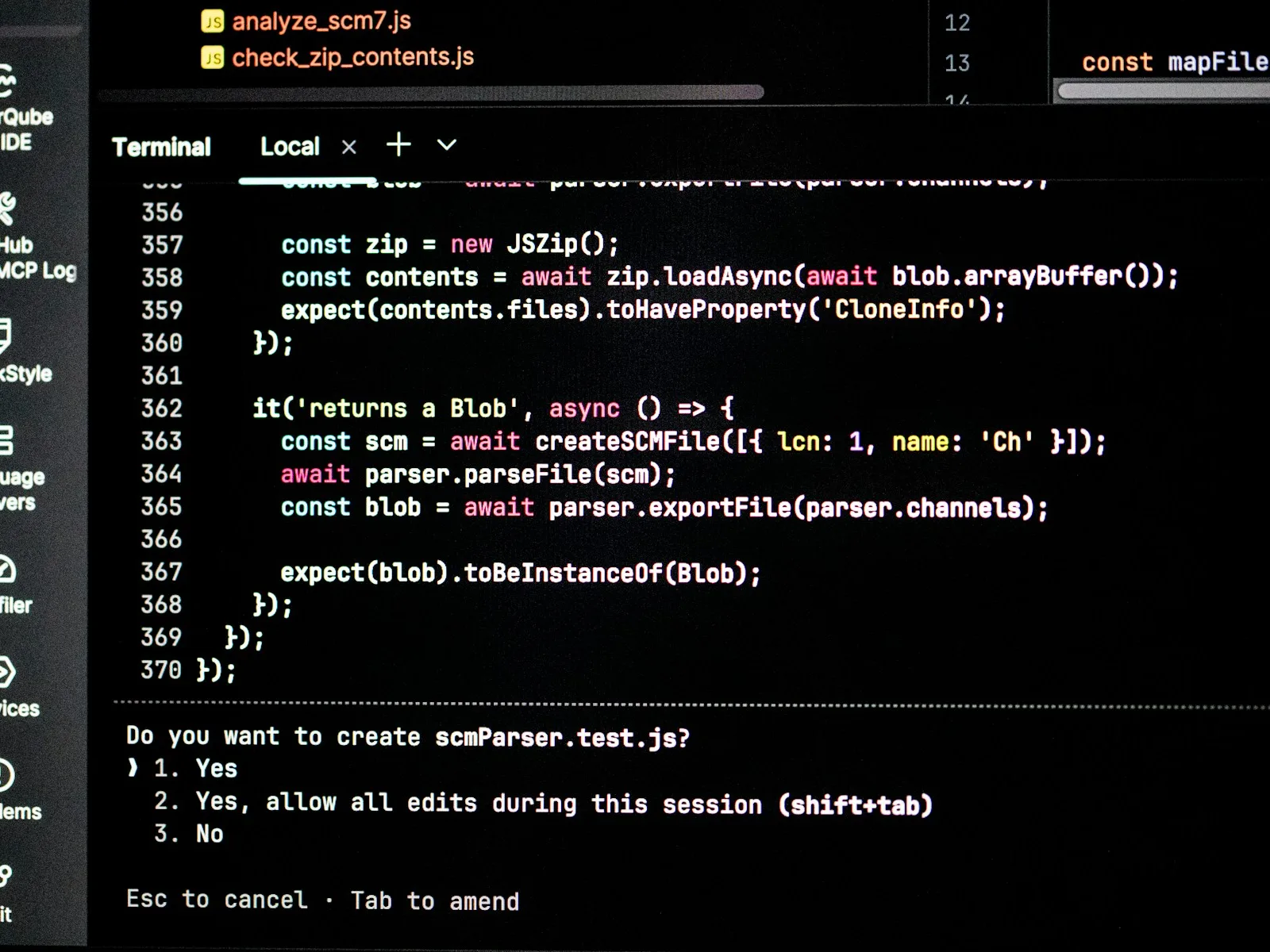

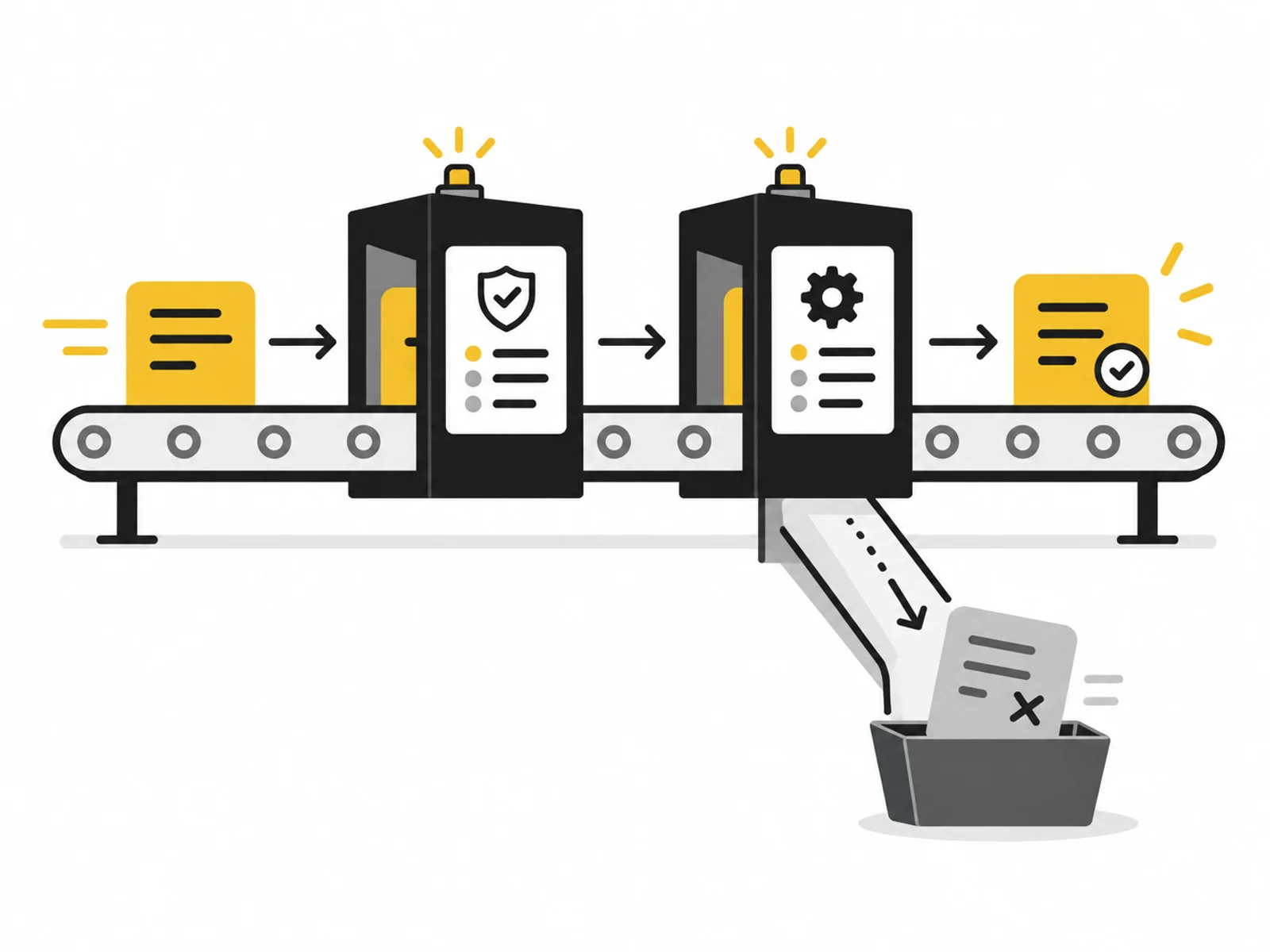


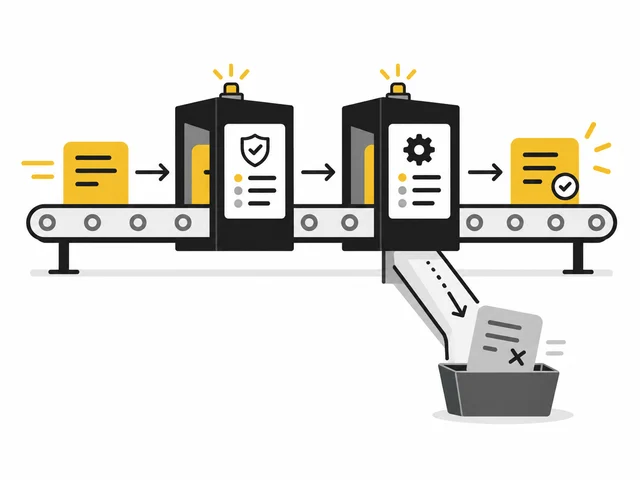
Image 1 of 4
Backend logic determines what an application may actually do. It checks input, saves changes and enforces business rules. The package adds one clearly described function to an existing backend, such as case approval or a controlled status change.
Before starting, we describe allowed actions and problematic cases. Who may trigger a change? What happens if the same case starts twice? Which data must be saved together? These questions shape the function more than visible button counts.
Moving a case from open to approved may require several conditions: required fields, an authorised role or completion of an earlier action. These rules belong in the backend, not only the interface.
Related changes need appropriate processing. A partly saved state can contradict business rules. We test agreed transitions and failures in the existing system. External subsequent steps or new data areas are scoped separately.
A process currently depends on verbal instructions or spreadsheets. We transfer a clearly limited rule set into the existing application.
Buttons alone do not enforce business rules. The new function checks allowed actions in the backend, including direct requests.
The same trigger can occur repeatedly. For the specific function, we define handling of repeated and already completed actions.
We record allowed transitions, roles and required data. Specific examples show when the function succeeds and when it must reject.
Rules connect to storage and the existing API. Related changes and possible errors are handled deliberately.
Tests cover agreed success and rejection cases. Handover explains rules, integration points and excluded follow-on functions.

Scope follows business rules and integrations. A short description such as ‘add approval button’ can hide several dependencies that must be made visible first.
Implementation takes place in the agreed existing context. Fundamental changes to authentication, data model or architecture are not automatically included side tasks.
Describe the intended function and an example of a successful process. Name existing systems and the roles involved without sharing real customer data or credentials.
After your enquiry, we clarify which data the function processes, which rules it must follow and which systems it must contact. Required documents and test access are agreed separately.
What is included, what do you need and what happens after your enquiry?
The process in detail →No. The backend function supplies agreed behaviour. New views and interactions can be added through a suitable frontend offer.
An existing delivery method can be considered if part of the agreed function. New mail infrastructure or complex delivery flows add scope.
New business rules change scope. Before extension, we clarify effects on data, statuses and agreed tests.
Testing uses suitable isolated data. Production data or running customer processes are not changed without an expressly agreed procedure.
Yes, where the task concerns a new or changed defined function. General maintenance and an open bug list fit backend further development better.
We confirm the start and delivery deadline in writing after reviewing your documents. The agreed scope and complete source data determine the schedule.
A working backend and clearly described flow with examples Existing access model and approved status and data rules Credentials must not be included in the enquiry. Details are agreed only after written commissioning.
One written follow-up round is included. The service scope lists the analyses, designs or technical changes covered by the package. We agree additional work with you before it begins.
Can the existing API create the order you need? Clarify data fields, access rights and handling of missing responses before integration.
Read the guide ↗A web application receives up to five usable views for one defined workflow, connected to existing APIs.

We extend an existing backend within a limited work package, with prioritised tasks and documented changes.