


Implementation
Build or extend a database
A new data area receives a clear structure, relationships and rules, with a verifiable schema change.
Move a defined dataset to a destination system using documented rules, with a trial run, error report and record count reconciliation.
Your enquiry is non-binding. An order is created only when you accept our quotation .



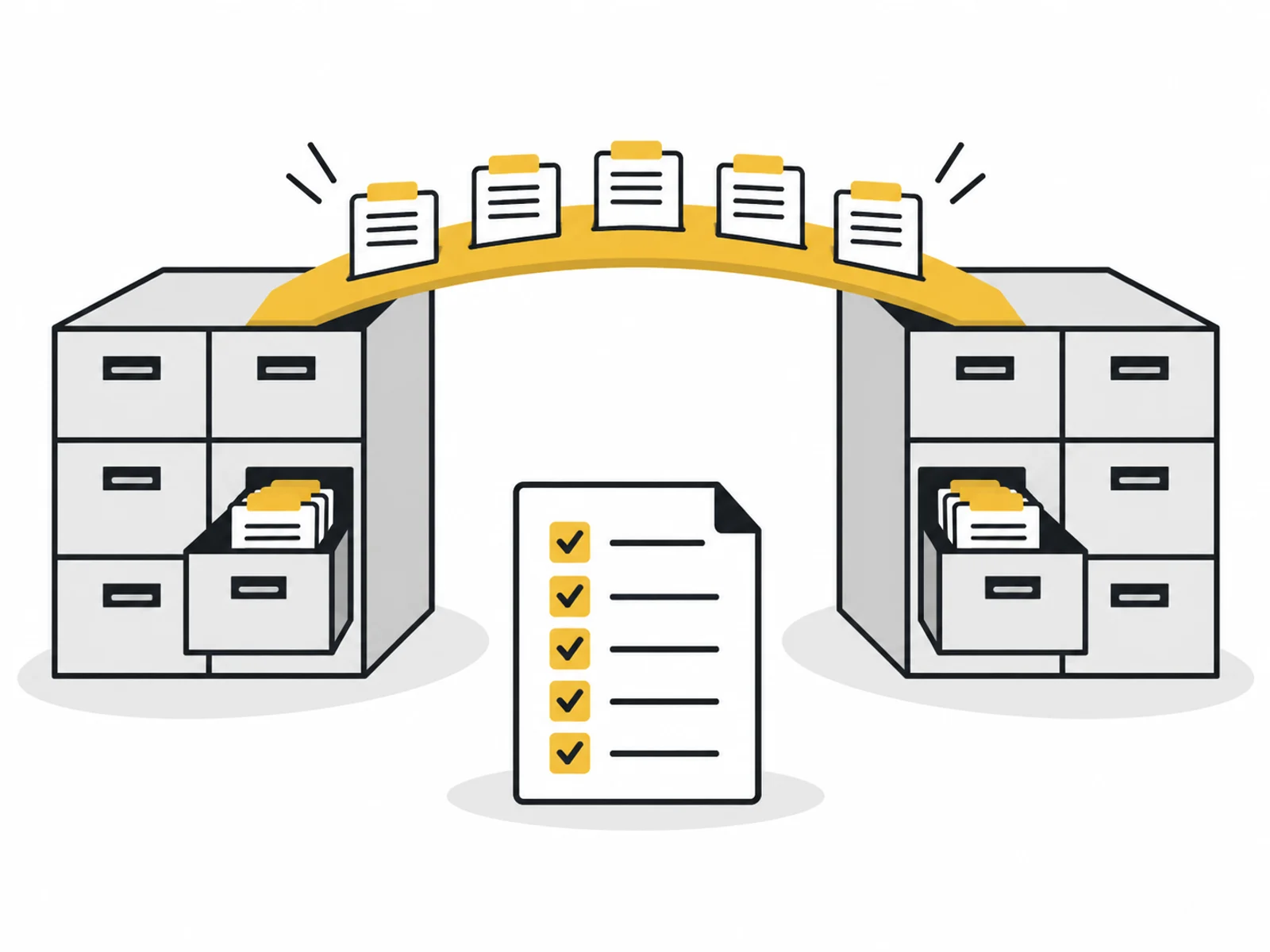



Image 1 of 4
Migration transfers data once from one source to one destination. Reading a file is only part of it. Fields must fit business meanings, duplicates need handling and missing values must be visible. The package prepares a limited dataset with up to three data types.
The import procedure is tested first with isolated data. The report lists imported, rejected and unresolved records. Before production import, we agree the process and backup of the destination.
Source and destination may contain the same row count yet have incorrect mappings. We therefore check agreed samples and relationships as well as counts. A date format, currency or missing customer identifier can change a row's meaning.
Import rules describe whether existing values are replaced, supplemented or rejected. Repeatability does not mean blind overwriting. The procedure should allow controlled reruns and keep unresolved cases visible. Business decisions about doubtful data remain explicitly traceable.
The destination structure is established and existing data is exported. We check readability and mapping before transferring records.
Without an error list, missing data is hard to identify. A controlled procedure documents rejected records and their specific causes.
Trial and final runs need the same traceable rules. Handling of existing records is defined beforehand.
We examine representative exports and clarify types, relationships and missing values. Duplicate and overwrite rules receive business approval.
We implement approved mapping, duplicate and overwrite rules in a repeatable import procedure distinguishing imported, rejected and unresolved records.
A test-data run produces counts and an error list. We compare samples and counts with the source and record mappings needing business clarification before another run.
You receive the import procedure and documented test results. Before later production execution, process, destination backup and express approval must be agreed.

Clarify rejected records with the responsible business person. They decide, for example, which of two conflicting values to retain. The import can then be tested again.
A one-off migration does not automatically keep systems synchronised afterwards. Continued work in both systems requires a separate reconciliation concept.
Describe the intended function and an example of a successful process. Name existing systems and the roles involved without sharing real customer data or credentials.
After your enquiry, we clarify which data the function processes, which rules it must follow and which systems it must contact. Required documents and test access are agreed separately.
What is included, what do you need and what happens after your enquiry?
The process in detail →Readable structured exports can serve as sources. Format, encoding, field contents and scope are checked beforehand; complex workbooks may need preparation.
Business rules are agreed before starting. Unclear cases are reported, not merged or deleted without a basis.
The package initially covers the procedure and isolated trial. Production execution requires separate express approval, backup and an agreed process.
File attachments and larger media archives are excluded. Access rights, file mapping and storage volume need separate planning.
They appear in the error report with a clear cause. After business correction, the agreed import can be rerun under control rather than hiding missing rows.
We confirm the start and delivery deadline in writing after reviewing your documents. The agreed scope and complete source data determine the schedule.
Readable source exports, documented destination schema and permission to use the data Business-approved mapping and rules for duplicates and missing values Credentials must not be included in the enquiry. Details are agreed only after written commissioning.
One written follow-up round is included. The service scope lists the analyses, designs or technical changes covered by the package. We agree additional work with you before it begins.
Check row counts, identifiers and relationships before a data import changes existing records.
Read the guide ↗A new data area receives a clear structure, relationships and rules, with a verifiable schema change.
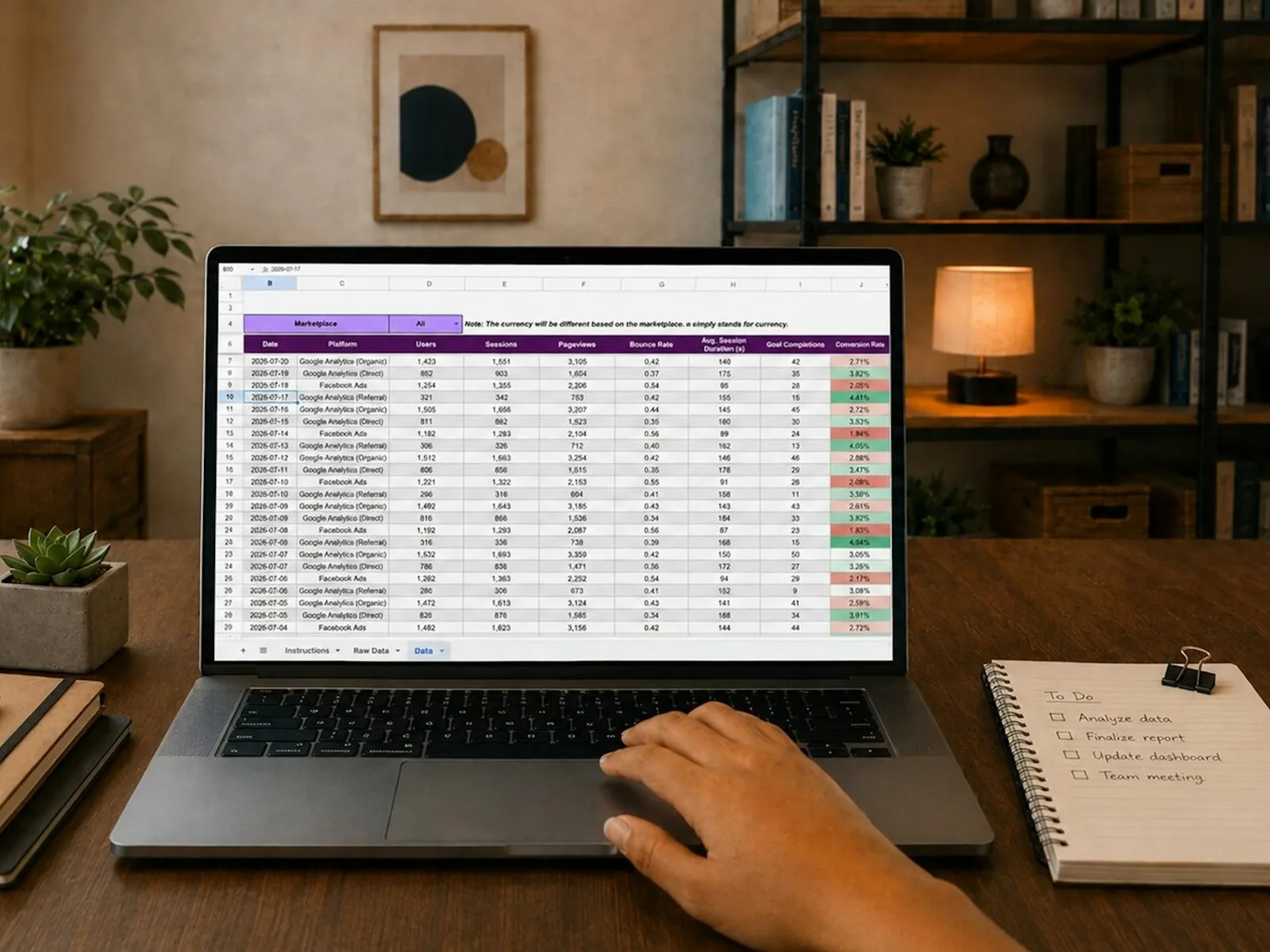
Synchronise contacts, products or order statuses between two systems, with an authoritative source, defined field rules and traceable conflict handling.