


Implementation
Build a component library
We build recurring interface elements as shared code components, with defined variants, states and documentation.
We restructure a defined part of your existing frontend to make it easier to maintain while preserving the agreed user behaviour.
Your enquiry is non-binding. An order is created only when you accept our quotation .


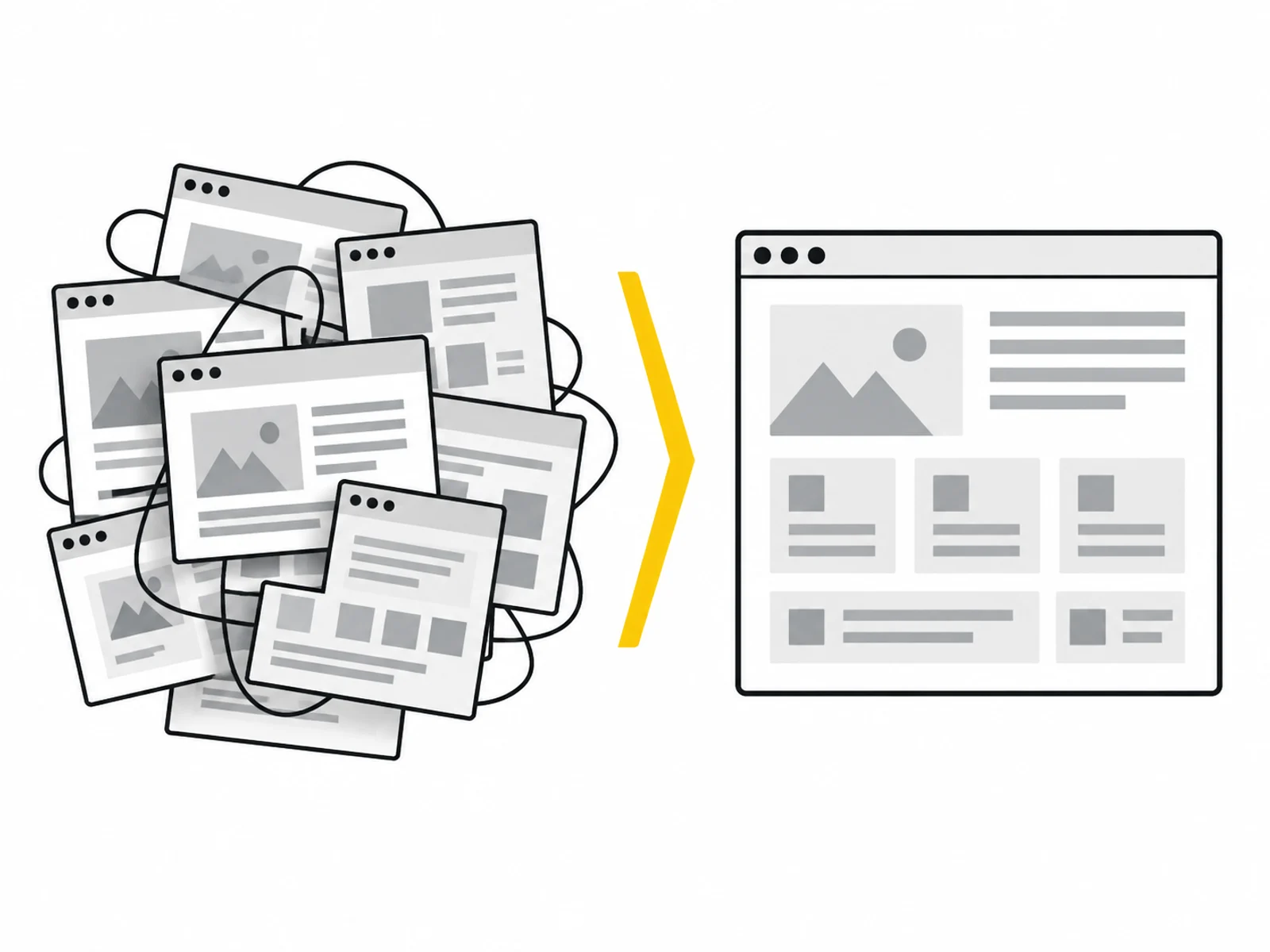


Image 1 of 4
Modernisation starts with a specific problem: duplicated form logic, a hard-to-update module or tightly coupled views. We define one area and choose a suitable measure. The existing stack remains the starting point.
Before changing code, we record behaviour to preserve. The area is then revised gradually and checked against those flows. Modernisation is not automatically a visible redesign. Its result often makes affected code easier to understand, change and maintain.
Old technology is not unusable merely because of age. What matters is which changes it obstructs and the risks involved. A limited restructuring may suffice where a complete rewrite would create new errors and long parallel phases.
We document dependencies and choose a testable boundary. Tests focus on behaviour to preserve. If the area cannot sensibly be isolated, we explain this before implementation and redefine scope.
Scattered responsibilities can make maintenance harder. We examine a specific area and simplify its structure through one clearly defined measure.
One dependency or outdated pattern can block progress. The affected area is reviewed in isolation rather than replacing the whole project indiscriminately.
Copied components develop different bugs. Targeted restructuring can consolidate shared logic while preserving agreed flows.
We reproduce the maintainability issue and document affected views. The measure and flows to preserve are defined before restructuring.
The agreed area is modernised gradually. Relevant regression tests check behaviour and integration points touched by the change.
You receive the revised version and an explanation of its new structure. Untouched legacy areas and possible next steps remain clear.

Compare the revised area with documented prior behaviour. Easier maintenance and faster execution are different questions. We report speed gains only with a suitable measurement comparison. Other application areas remain outside this review.
Describe what already exists: design, website or application. A specific journey with the views and states to develop or change is useful.
We then clarify which technology the site uses, where changes are tested and how they reach you. We also discuss missing content. Do not send repository tokens or production credentials through the enquiry form.
What is included, what do you need and what happens after your enquiry?
The process in detail →No. A change needs a specific reason. We first check whether the problem can be solved within the existing stack.
Agreed user behaviour and appearance generally remain the reference. Desired visible changes are expressly identified and planned separately.
Meaningful reference cases are defined for the affected area and protected where needed. Complete coverage of the entire legacy application is excluded.
A limited update may be the agreed measure. Scope and compatibility are reviewed beforehand because major version jumps can affect several areas.
Yes, the revised area can provide a foundation. Further sections still need their own scoping and review; no automatic complete migration is promised.
We confirm the start and delivery deadline in writing after reviewing your documents. The agreed scope and complete source data determine the schedule.
A working project version, repository access and reproducible development environment A specific maintainability problem and agreed reference flows Credentials must not be included in the enquiry. Details are agreed only after written commissioning.
One written follow-up round is included. The service scope lists the analyses, designs or technical changes covered by the package. We agree additional work with you before it begins.
Maintaining the same form field in several places: choose shared building blocks, integrate them into a real journey and adopt them gradually.
Read the guide ↗We build recurring interface elements as shared code components, with defined variants, states and documentation.
Do you really need a rebuild? We review an application's structure and explain what to keep or change.