

Implementation
Build a client portal
Give customers protected access to their own cases and approved documents through a defined portal with clear roles.
Add sign-in and defined access for up to three roles to an existing application, including account recovery and permission checks.
Your enquiry is non-binding. An order is created only when you accept our quotation .

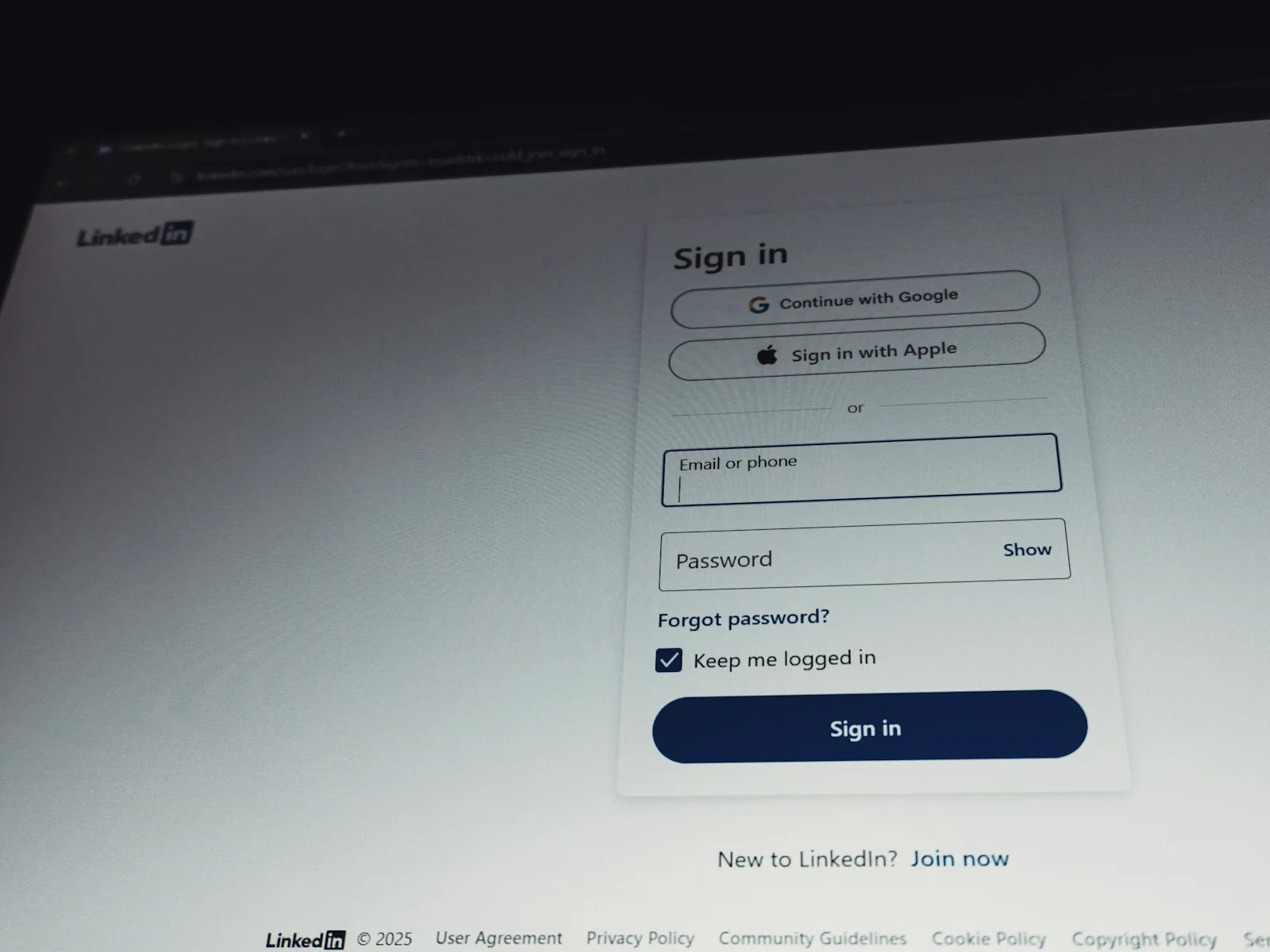
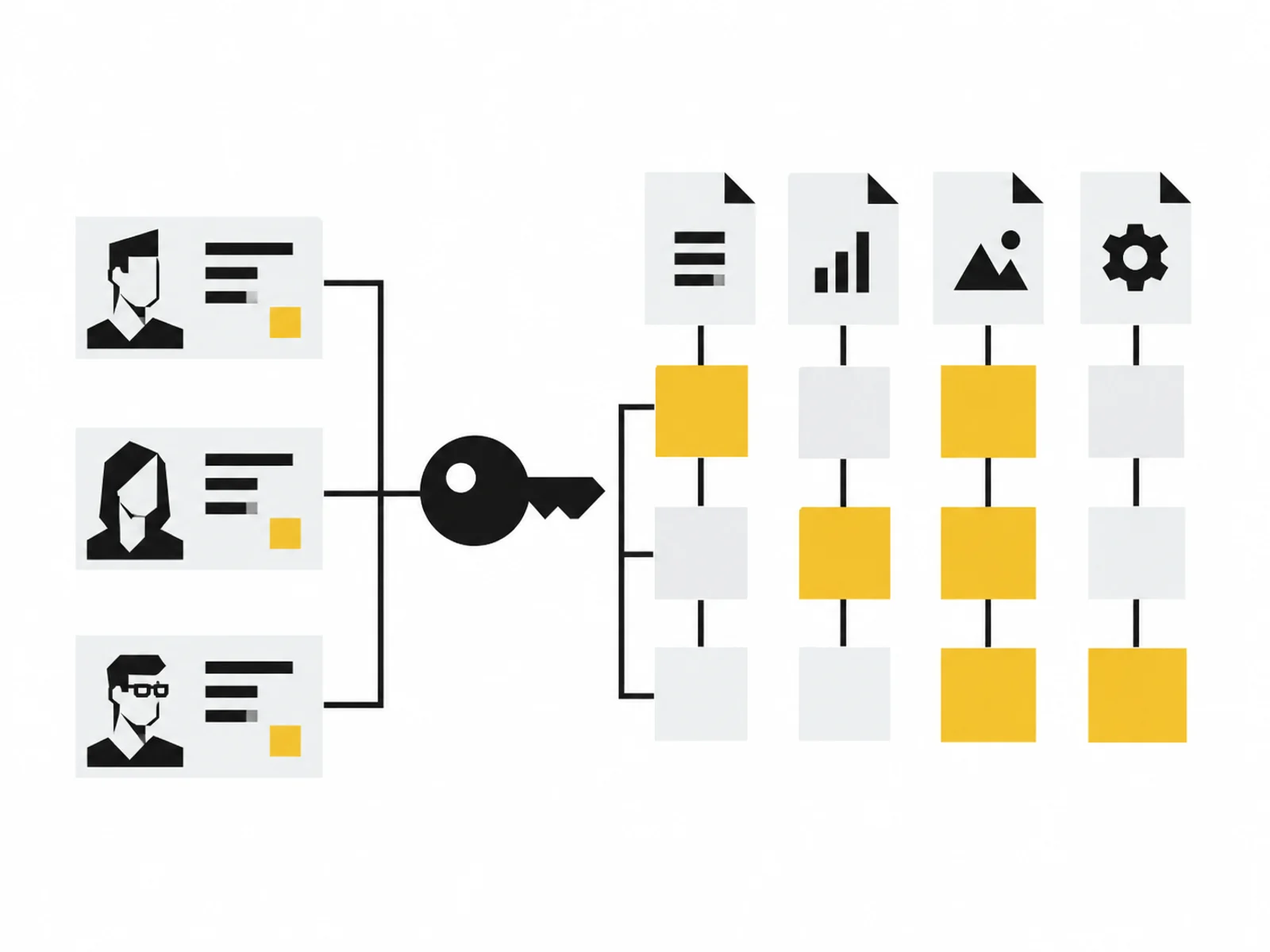



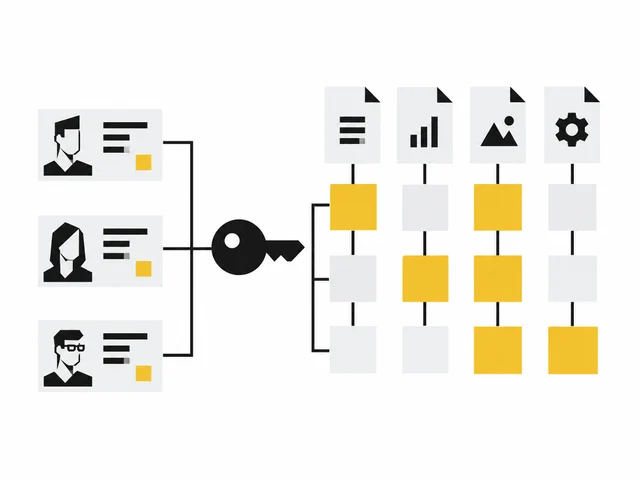
Image 1 of 4
An account first establishes who signs in. Permissions then determine which data that person may read or change. Both must cooperate. The package integrates a suitable sign-in method and up to three roles for one defined data area in your existing application.
We describe roles through specific actions. Checking happens in the backend; a hidden button alone protects no data. Sign-in, sign-out and recovery connect to the chosen method. Further tenant management or enterprise authentication is planned separately.
A signed-in customer must not automatically read every order. The backend also checks record ownership and permitted actions. These checks are explicitly tested for the agreed area, including direct requests outside the interface.
Authentication uses a suitable established method. Suitability depends on the existing system, audience and operations. Lifetimes, recovery and sign-out are not afterthoughts; they belong to real account access.
Existing data should be available only to particular users. We first clarify required identity and permissions.
Hidden links are not access control. Permissions are checked server-side for the agreed area and tested with unauthorised requests.
Sign-out and recovery are often missing in early designs. These flows are planned alongside the chosen authentication method.
We describe allowed actions and data boundaries for up to three roles. The authentication method and necessary provider access are agreed.
Access connects to the existing application and agreed data area. Backend checks enforce the role matrix.
Tests check normal use, sign-out and recovery, plus unauthorised role and record access. Handover documents scope.

Integration protects the agreed area under the defined model. It makes no statement about every possible security issue in the entire application.
Authentication needs suitable operation. Provider configuration, email delivery and later changes need assigned maintenance; recurring costs are separate.
Describe the intended function and an example of a successful process. Name existing systems and the roles involved without sharing real customer data or credentials.
After your enquiry, we clarify which data the function processes, which rules it must follow and which systems it must contact. Required documents and test access are agreed separately.
What is included, what do you need and what happens after your enquiry?
The process in detail →An email link or another suitable method can be agreed. The choice follows the application and infrastructure actually available.
Up to three clearly defined roles are included. A role matrix authoritatively records which data and actions each may use.
The described access flow is included. Extensive profile management, order history and additional portal views are separate functions, not automatically included.
A larger user migration adds scope. We must first check which identities and credentials are transferable and what recovery method is required.
No blanket security approval is given. The package checks agreed access and data scope; other risks need appropriate separate investigation.
We confirm the start and delivery deadline in writing after reviewing your documents. The agreed scope and complete source data determine the schedule.
An existing application with defined data area and role matrix An approved authentication method and necessary provider and delivery configuration Credentials must not be included in the enquiry. Details are agreed only after written commissioning.
One written follow-up round is included. The service scope lists the analyses, designs or technical changes covered by the package. We agree additional work with you before it begins.
From repair status to document links: define which data customers may see, who maintains it and how to test access boundaries.
Read the guide ↗Give customers protected access to their own cases and approved documents through a defined portal with clear roles.

Your application receives a documented API for controlled reading and modification of one defined data area.