


Ongoing support
UX decision advice
You are choosing between product options. We compare up to three using your existing materials and write a decision brief.
What do comparable services promise, and how do visitors get started? We research up to five providers and compare the findings with sources.
Your enquiry is non-binding. An order is created only when you accept our quotation .
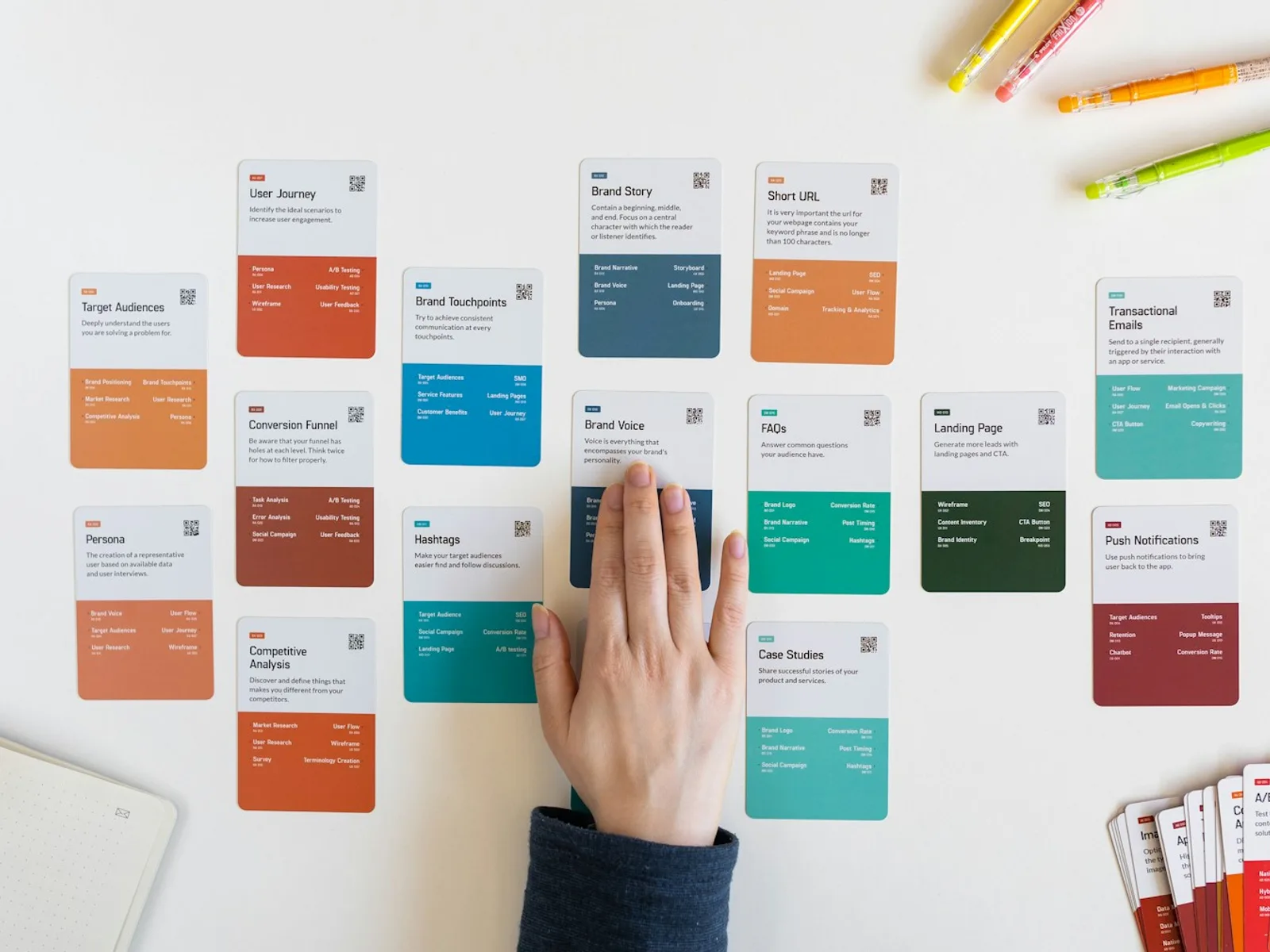

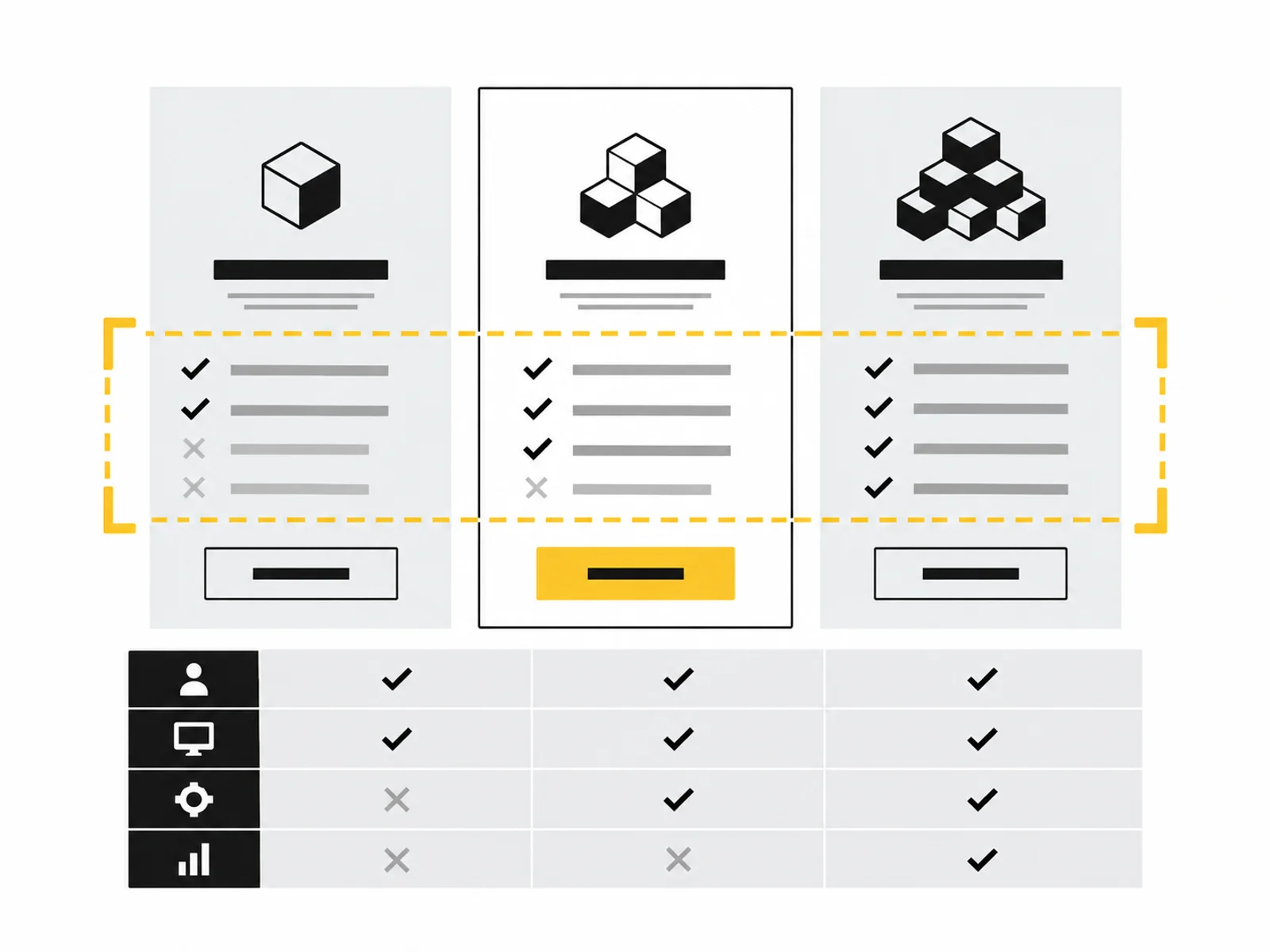


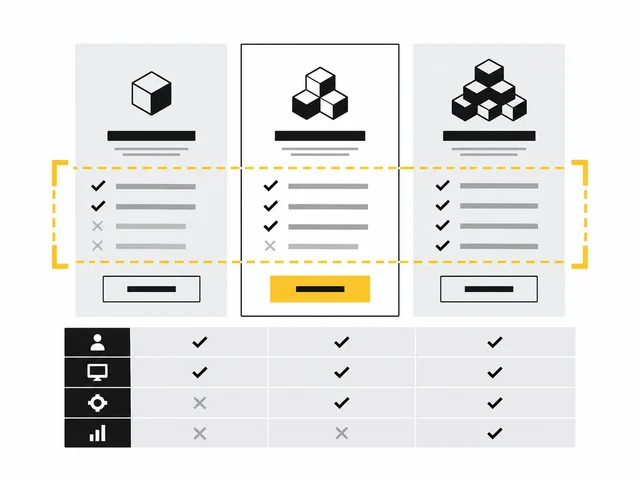
Image 1 of 4
What distinguishes your offer from competitors? We compare publicly visible services using the same criteria, such as pricing structure, service scope or enquiry journey. Sources and research date are documented.
The market and competitor overview researches up to five jointly selected comparison offers through public sources. Up to eight criteria are agreed beforehand. These might include service scope, published pricing structure or the path to a first enquiry. Sources and research date remain traceable.
Desk research evaluates publicly accessible sources. We compare what providers publish. Website presentation alone reveals neither revenue nor customer satisfaction; we include such information only where publicly substantiated.
You receive a comparison matrix and three positioning hypotheses. A hypothesis is an assumption to test, such as whether a clearly defined entry offer would be easier for your audience to understand. It is not yet proven market demand. Depending on the open question, next steps might be interviews, revising an offer or a targeted test.
The team collects screenshots of other providers. Each example brings new standards. We define shared criteria so offers can be compared consistently.
Your offer is described as ‘individual and flexible’, but its difference from competitors remains unclear. We compare publicly described services and formulate testable positioning hypotheses.
A competitor shows a striking configurator. Before rebuilding it, we examine its visible task and your own needs. This does not establish whether it succeeds for the competitor.
We clarify the decision you are preparing and choose up to five suitable offers. These may include direct competitors or other alternatives. Selection and criteria are recorded.
We compare agreed criteria using public sources and link to the evidence. Other providers' unpublished usage, customer or business data remains unknown.
The matrix compares observations and contains three testable positioning hypotheses. Your team can select which assumption to investigate next. A competitor is not adopted as a model without scrutiny.

Bring the matrix to your next offer discussion. Consider which difference could matter to your audience and select a hypothesis for further investigation. Missing information from other providers remains expressly unknown.
UX decision advice is related when choosing between specific courses of action. User interviews address a different question if you want to understand an audience's needs and experiences. Both extend beyond evaluating publicly visible offers.
Note the product question you want to clarify and the current state: idea, design or usable application. We discuss this after receiving your enquiry.
For interviews and tests, we agree participant selection and the handling of research data in advance. You do not need personal interview data or confidential project documents for the first contact.
What is included, what do you need and what happens after your enquiry?
The process in detail →No. The comparison examines agreed providers and publicly available sources. It neither estimates market size nor includes a representative survey. You receive a traceable section of evidence for a specific offer decision.
Design and visible features cannot establish that reliably. The report is limited to substantiated public information and marks open questions. Unpublished revenue is not estimated.
No. Research should reveal differences and your own decision options. Text, brand presentation and others' work are not copied. A positioning hypothesis must fit your actual offer and be investigated further.
Here, desk research means structured investigation of existing publicly accessible information. No new customer interviews are conducted and no third-party internal systems are examined. The strength of conclusions depends on what is actually published and traceable.
Yes. The final selection is defined jointly around the research question. Up to five comparison offers are included. A useful selection may include direct competitors and other relevant alternatives where agreed criteria allow a clear comparison.
No. Published pricing structures can be a comparison criterion, but they do not determine your costing or automatically justify a price recommendation. Terms and scopes differ. The comparison must identify these differences rather than merely placing numbers side by side.
Treat it as a testable assumption. Before a far-reaching decision, establish which information would support or refute it. This might require further research or a suitable audience study. The hypothesis alone is not market evidence.
The question, comparison offers and work window are agreed before commissioning.
A described offer and a specific positioning question Agreed comparison offers and criteria The information to investigate is publicly accessible Credentials must not be included in the enquiry. Details are agreed only after written commissioning.
One written follow-up round is included. The service scope lists the analyses, designs or technical changes covered by the package. We agree additional work with you before it begins.
What must work before the first use? Review a user journey including failure cases and record which technical questions remain afterwards.
Read the guide ↗You are choosing between product options. We compare up to three using your existing materials and write a decision brief.

We speak to five people from an agreed audience about one research question. You receive a thematic analysis of their comments and open questions.