


Analysis
User interviews · UX research
We speak to five people from an agreed audience about one research question. You receive a thematic analysis of their comments and open questions.
You are choosing between product options. We compare up to three using your existing materials and write a decision brief.
Your enquiry is non-binding. An order is created only when you accept our quotation .


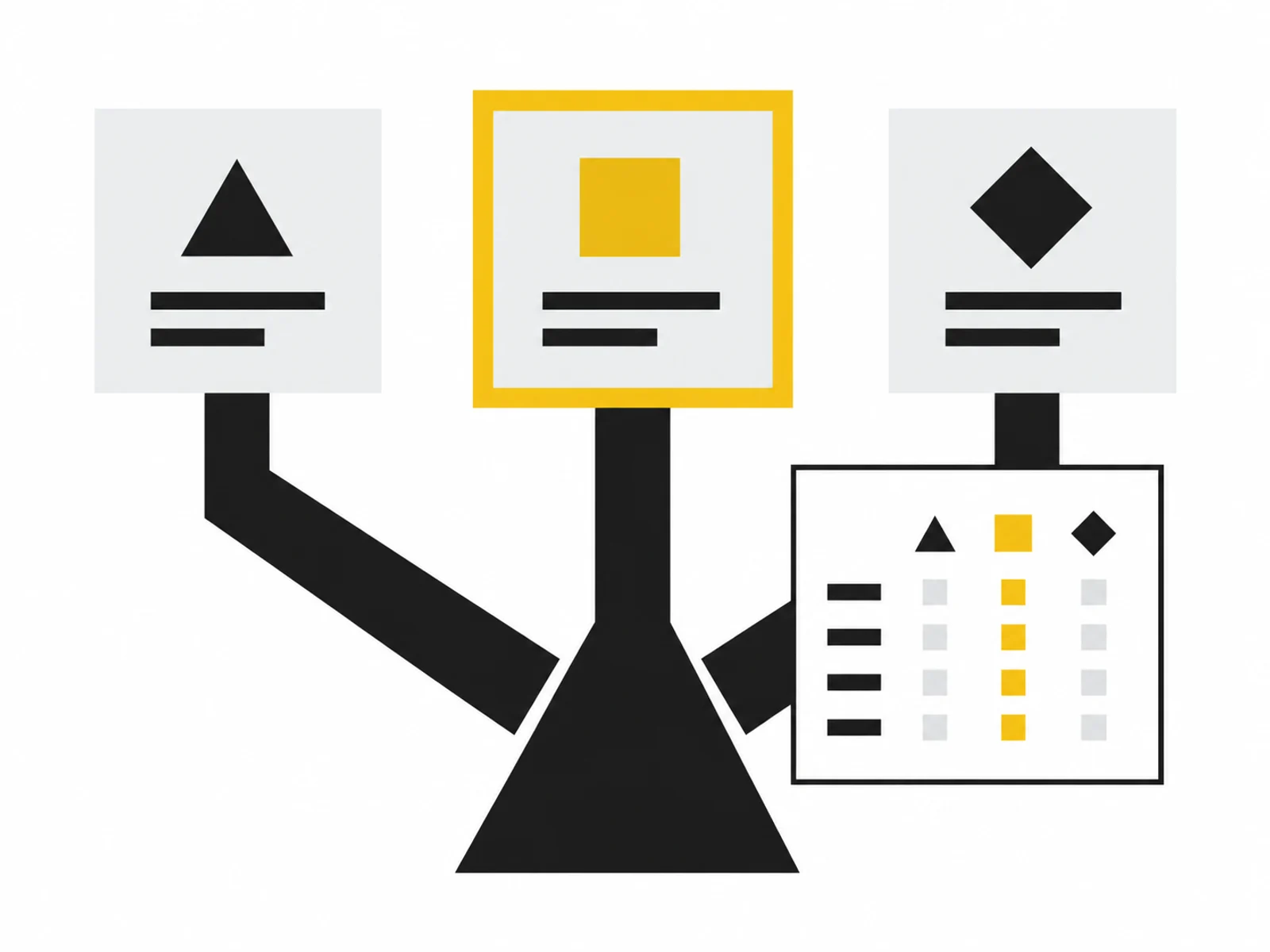



Image 1 of 4
You need to choose between several product ideas. One person considers effort, another customer requests and a third the deadline. We compare options using jointly defined criteria.
UX decision advice focuses on one identified product decision and up to three options. It uses up to five supplied documents, your requirements and known constraints. You receive a written decision brief with criteria, dependencies and three proposed next steps.
A useful decision brief makes the basis of an assessment visible. Are there user observations or only internal assumptions? Which technical dependency changes effort? Which decision is easily reversible? Advice organises these points for the actual choice without inventing missing data.
A conversation is voluntary and may replace part of the agreed written exchange. The decision remains with you and your team. New user research, extensive designs and ongoing project management are excluded. If user observation is needed to answer the essential question, we identify a specific research need.
The team is torn between two designs. Some favour fewer steps, others more detailed explanations. We place shared criteria beside the options to make the difference discussable.
You want a design assessed before development. We review supplied documents against the identified decision and record which assumptions remain open.
A registration question becomes a debate about the entire product. We record what must be decided now and which larger dependencies need separate clarification.
We record the decision, up to three available options, and applicable goals or limits. This makes the question the brief should answer clear.
We compare up to five documents against agreed criteria and separate supported information from assumptions. If decisive knowledge is missing, we state what needs clarifying next.
The brief compares options, identifies dependencies and suggests three next steps. Your team makes and documents the decision. One written follow-up round is included; project management and ongoing advice are excluded.

Record your decision together with the criteria used. Note the conditions under which you would reconsider it. This helps later when requirements change or an untested assumption is disproved.
If you mainly lack knowledge about people and their tasks, user interviews are a different service. If a specific user journey needs designing, consider the prototype offer. Free service-selection guidance remains separate from this paid, defined product advice.
Note the product question you want to clarify and the current state: idea, design or usable application. We discuss this after receiving your enquiry.
For interviews and tests, we agree participant selection and the handling of research data in advance. You do not need personal interview data or confidential project documents for the first contact.
What is included, what do you need and what happens after your enquiry?
The process in detail →No. Optional guidance about which of our packages fits remains separate. This product addresses a specific decision within your project using supplied documents. Earlier orientation is not charged retrospectively.
No. Advice can take place in writing. A conversation is optional and may replace part of that written exchange by agreement. An appointment is not an entry requirement.
That gap becomes part of the decision brief. Rather than giving an apparently certain recommendation, we describe which information would change the choice and which next step could clarify it. Additional investigation is not automatically included.
Up to three options are considered. What matters is an identified decision with understandable alternatives. If the question is entirely open, the framework should be clarified first. The package is not an unlimited ideation workshop for the whole product.
Documents showing the goal, options and relevant constraints are suitable. These might be designs, existing findings or a description of the current flow. No more than five documents are reviewed; collecting every project document would not define a clear decision scope.
No. The brief supports a decision and identifies next steps. New designs, user research and code development are not automatically included. If an option needs further development or investigation first, that need is described separately.
The decision question, documents and work window are confirmed before commissioning.
A decision you or your team can actually make Described options and relevant documents Identified requirements and known constraints, such as budget or existing technology Credentials must not be included in the enquiry. Details are agreed only after written commissioning.
One written follow-up round is included. The service scope lists the analyses, designs or technical changes covered by the package. We agree additional work with you before it begins.
Interviews, user testing or a prototype: narrow down an open product decision before calculating a research budget or a supposed research ROI.
Read the guide ↗We speak to five people from an agreed audience about one research question. You receive a thematic analysis of their comments and open questions.
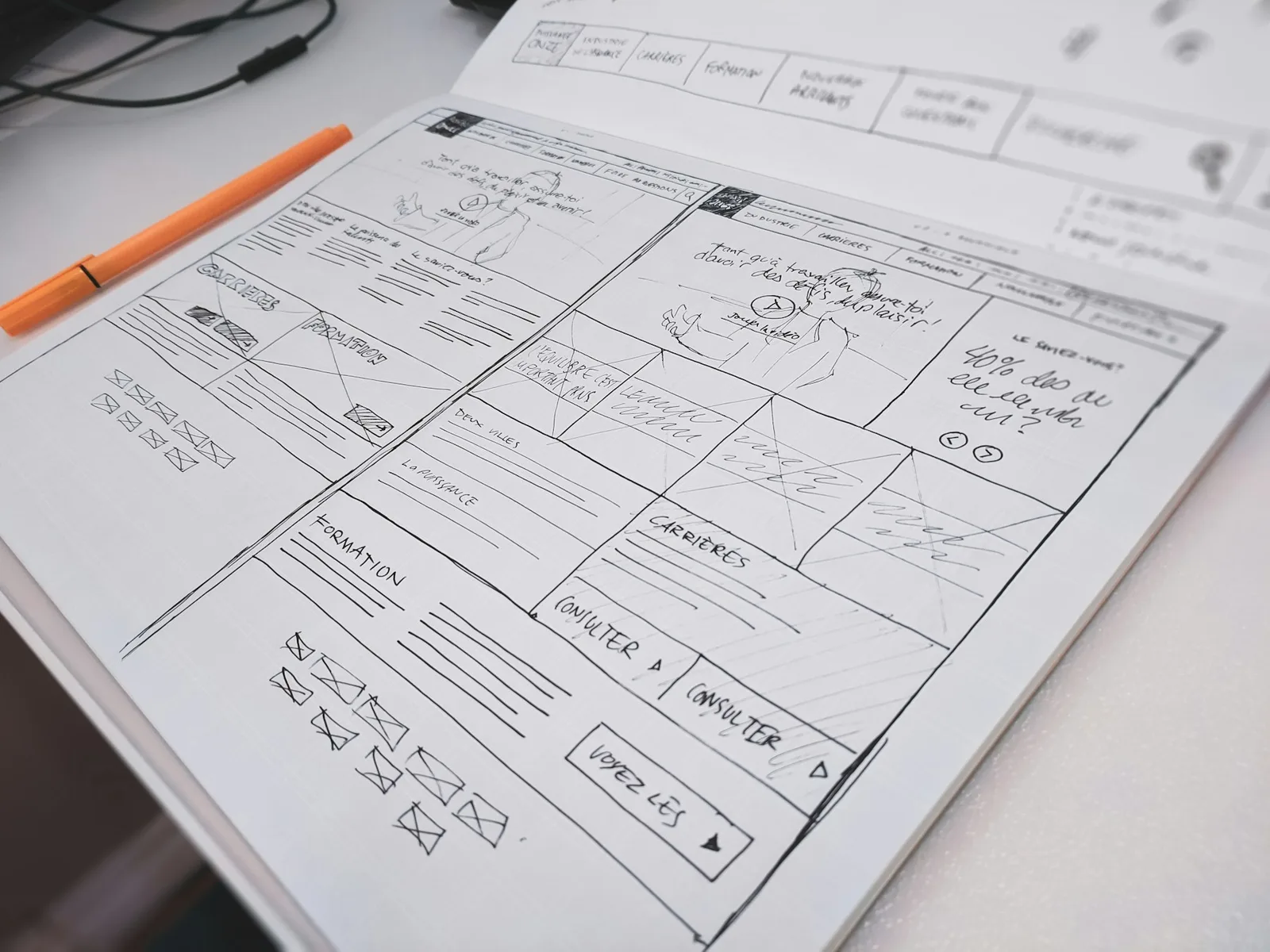
What should the journey look like before development? We design up to five screens or states and connect them into a clickable prototype.