

Analysis
Technology and stack review
Do you really need a rebuild? We review an application's structure and explain what to keep or change.
Your prototype works in the demo. We review one user journey and identify what is missing before your next launch.
Your enquiry is non-binding. An order is created only when you accept our quotation .
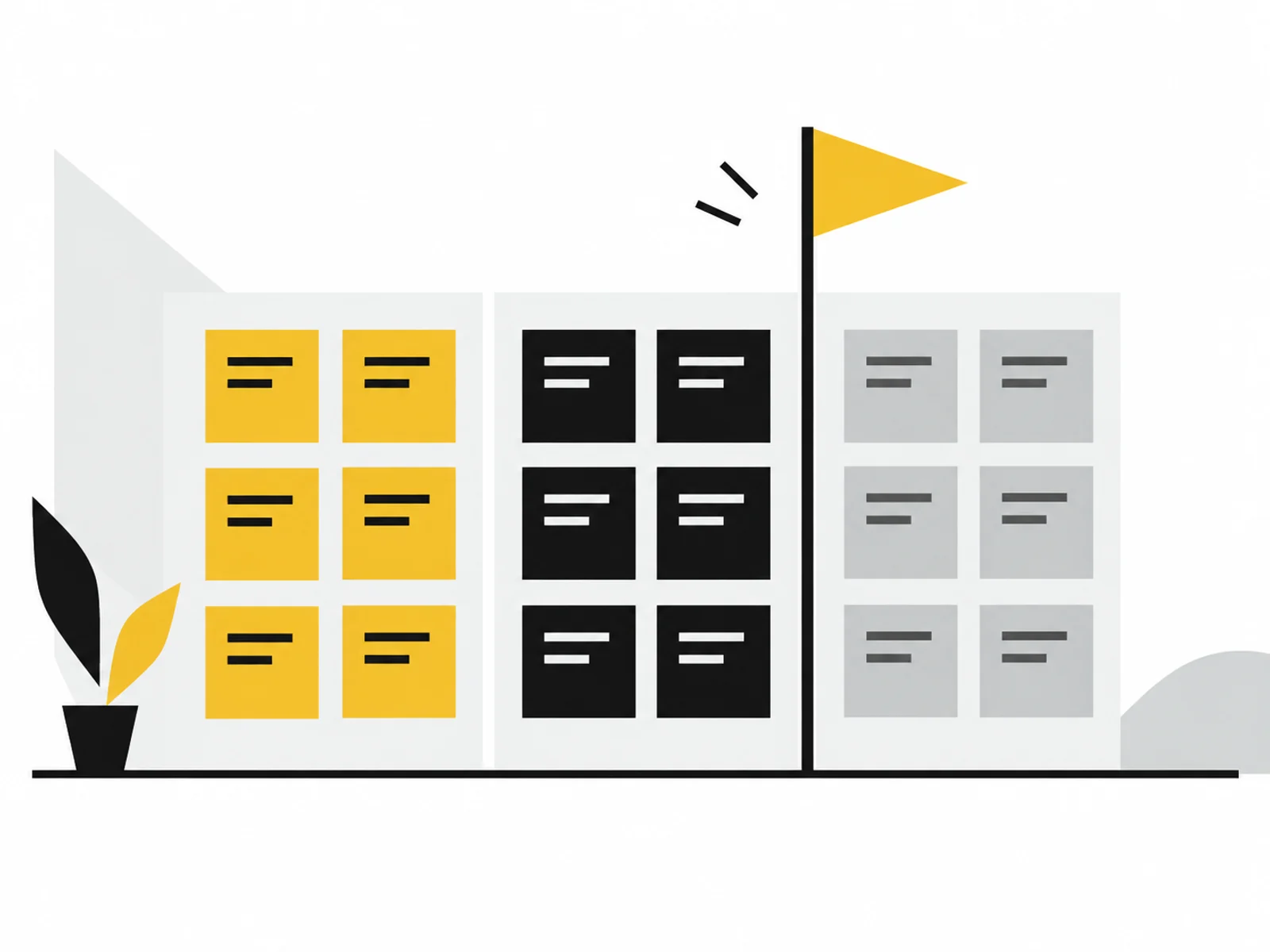

Image 1 of 4
The demo works. Before first use, we check how new users navigate the central flow and what happens with missing input or technical errors. The planned launch determines which issues need resolving beforehand.
An MVP is an initial, limited product version used to test a specific assumption. We examine an existing prototype and its central user journey for the planned launch. Using AI, no-code or conventional development does not change the review boundaries.
Starting with a small invited group has different requirements from broad publication. We compare the observed user guidance and technical baseline with the agreed project. The report identifies both obstacles and investigation limits. It does not treat every imaginable future extension as today's problem.
The result is a launch board: tasks before launch, tasks afterwards and topics not yet needed for this step. Each classification needs a reason. The board supports decisions; it is not general approval of security, legal compliance or unlimited scalability. If the core question concerns architecture, the stack review is more targeted.
The demo works with prepared data. During first real use, input is missing or saving fails. We review the agreed core flow, including its feedback.
You built a prototype with an AI tool and want to share it. We examine the existing flow and basic technical questions; what the application must do in its planned use matters.
The launch list includes a new colour scheme alongside a missing error message. The board orders these tasks by their relevance to the first intended use.
We define who should use the prototype for which task and which journey to review. An internal test has different conditions from a public launch.
We follow the agreed flow and check presentation, interaction and technical foundations. We compare feedback with the visible state. Other functions remain outside the review.
The launch board organises tasks and open decisions. Each recommendation states the observation behind it. Your team can plan subsequent work; implementation is excluded.

Review the launch board with development and operations. Assign owners to open tasks and record which must be completed before first use. The board documents the review state; it grants no security or operational approval.
For fundamental architecture decisions, the technology and stack review is the more detailed alternative. To observe whether people understand the central journey, consider a user test. A limited launch check does not replace either perspective in full.
Record a process we can reproduce: which page do you open, what do you click and what happens next? For operational questions, name the tools used and describe how changes reach the server.
Passwords, repository tokens and production data must not be included in the enquiry. We agree required documents and suitable access separately.
What is included, what do you need and what happens after your enquiry?
The process in detail →An actual, testable prototype is required. A product idea alone provides no user journey to examine. If the flow first needs designing, the user journey and prototype package is closer to that task.
No. The check examines the agreed user journey and basic technical questions. A rebuild is not inferred solely from how the code was created. Technical findings requiring further investigation receive specific explanations.
The result is a prioritised assessment within the described scope. It replaces neither security review, legal review nor general production approval. These boundaries are recorded visibly in the report.
No. The offer includes the review, launch board and one written follow-up round. Technical implementation is not automatically taken on. A limited frontend goal can be enquired about separately afterwards if a suitability review establishes an appropriate scope.
No. The launch check includes basic technical findings in the identified context. A broader examination of architecture, maintainability and deployment belongs to the stack review. Before combining services, investigation boundaries are defined to avoid commissioning the same work twice.
The launch context and work window are confirmed in writing before commissioning.
A usable prototype, regardless of how it was created One identified user journey and a specific next launch step An agreed demo or read-only documents; no tokens in the enquiry form Credentials must not be included in the enquiry. Details are agreed only after written commissioning.
One written follow-up round is included. The service scope lists the analyses, designs or technical changes covered by the package. We agree additional work with you before it begins.
What must work before the first use? Review a user journey including failure cases and record which technical questions remain afterwards.
Read the guide ↗Do you really need a rebuild? We review an application's structure and explain what to keep or change.
Can five test participants use your product? We observe them completing up to three tasks and record where they need help.