

Implementation
UX design: journey and prototype
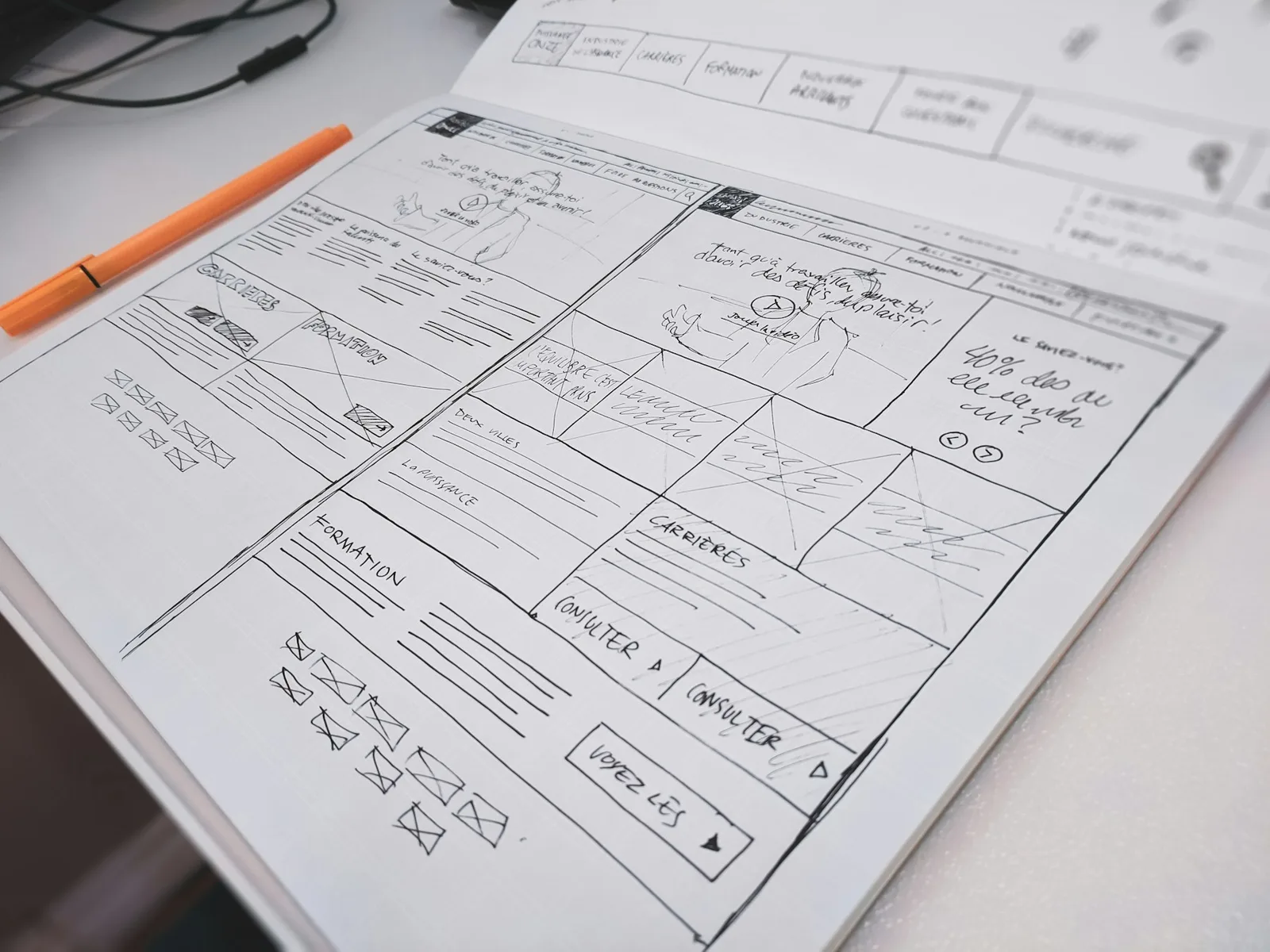
What should the journey look like before development? We design up to five screens or states and connect them into a clickable prototype.
Can five test participants use your product? We observe them completing up to three tasks and record where they need help.
Your enquiry is non-binding. An order is created only when you accept our quotation .
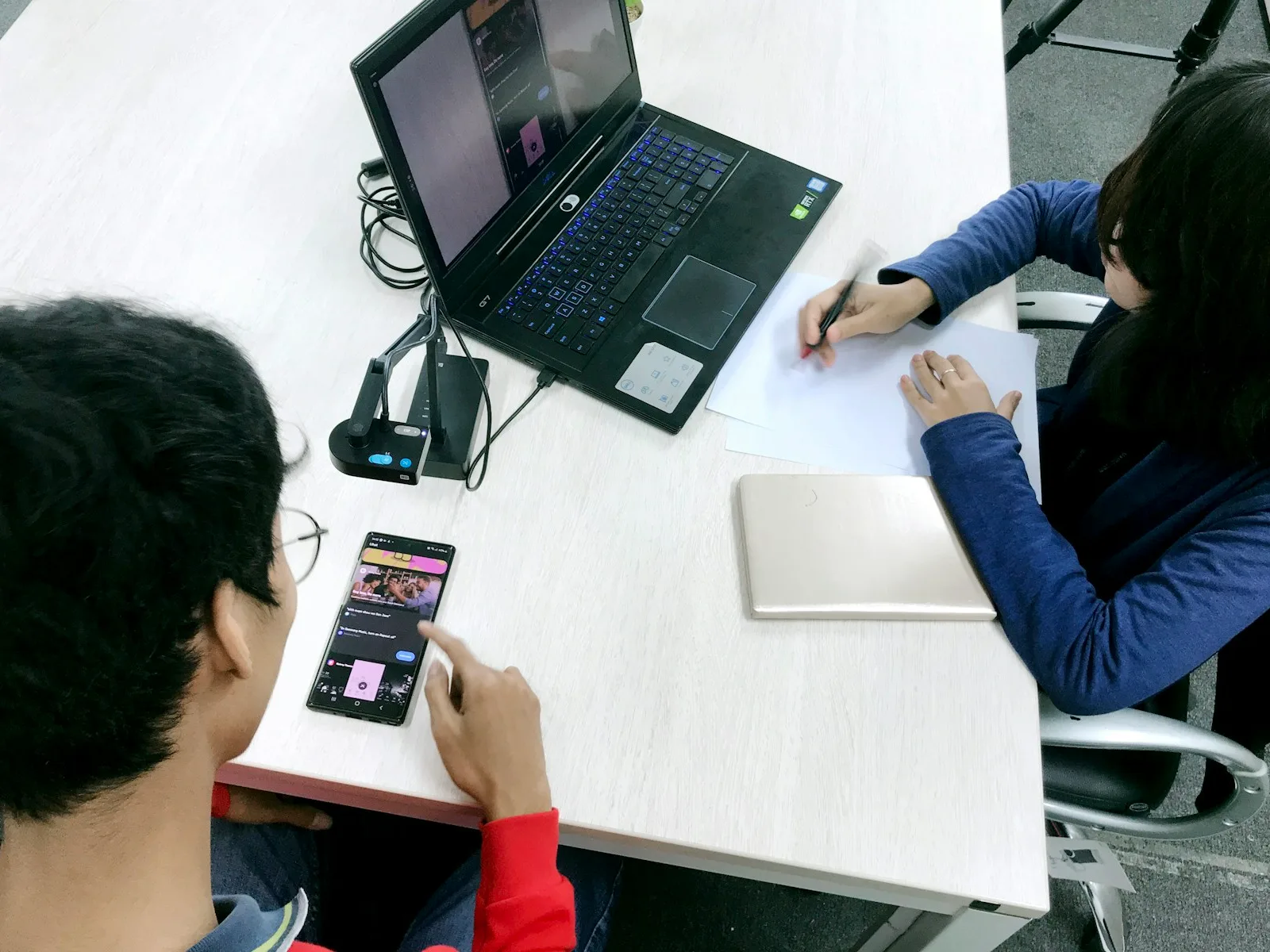
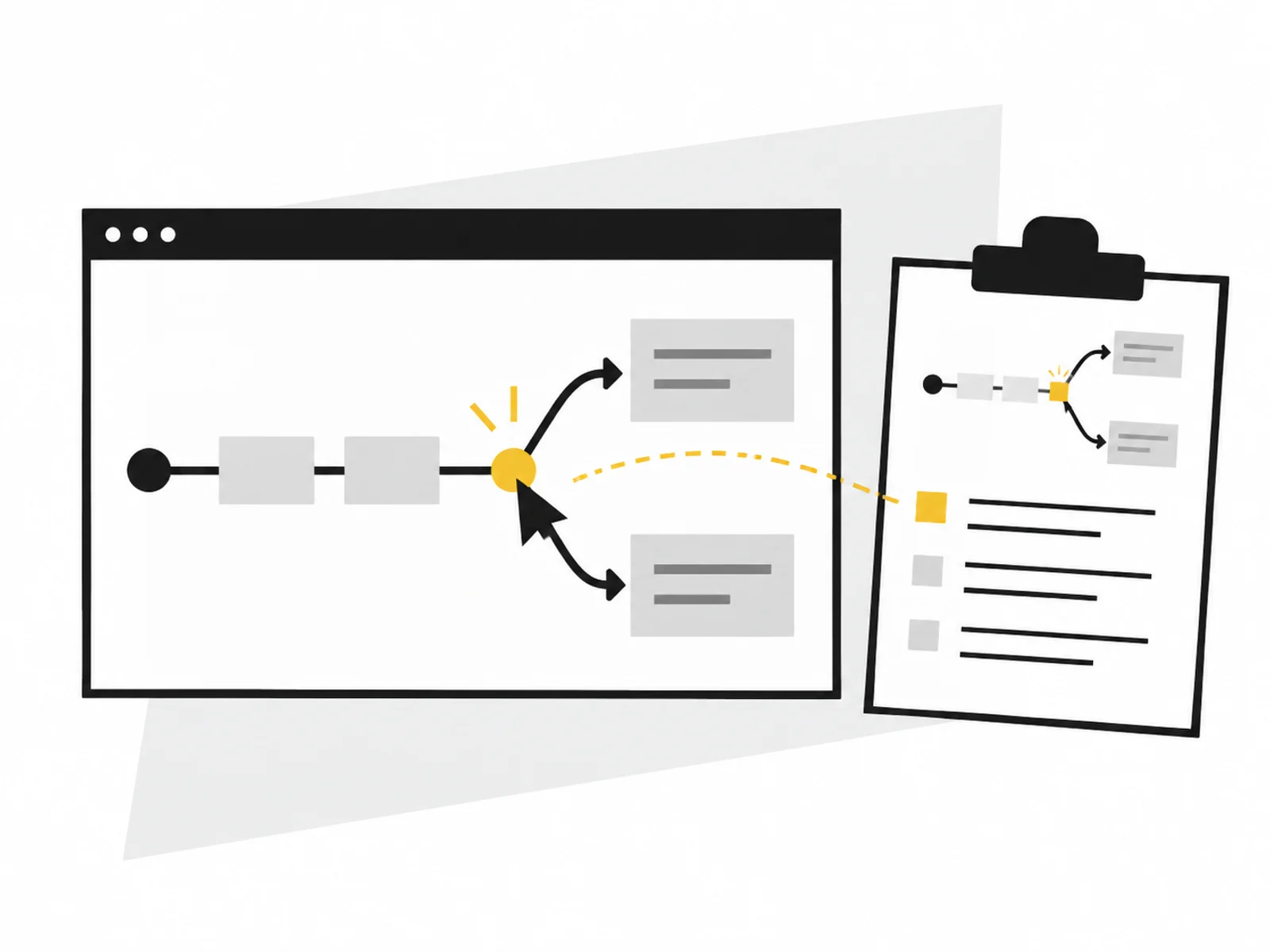



Image 1 of 4
Can new users find the function your team already knows? We observe suitable participants completing specific tasks, recording where they search, ask questions or expect a different next step.
The package includes five moderated remote sessions of no more than 45 minutes each. One user journey with up to three agreed tasks is examined in an existing product or clickable prototype. You receive a test plan, summarised observations and prioritised change suggestions.
A test task states the goal, not the click sequence. During a session, we record what the person does and says. The report separates observation and interpretation. One detour does not establish how everyone uses the product.
You provide the five adult participants, suitable test data and appointments. Participation terms, possible recordings and deletion processes must be clarified before sessions. Recruitment and incentives are excluded. The test gives qualitative insight; it is neither a representative benchmark nor complete accessibility or security verification.
Your team finds every function immediately because it built the interface. Suitable participants complete a task without that prior knowledge. We observe where they search or interpret a term differently.
The prototype is clickable, but whether someone can find the necessary information and understand the flow has not been investigated. We formulate tasks and observe their completion.
Support hears ‘I can't find my selection again’. Along the agreed test journey, we trace what happens before this situation. The report records observation and possible explanations separately.
We define the journey and up to three tasks. Participants must fit the question; recruitment, consent and research-data handling are clarified beforehand. The task names the goal, not the click sequence.
Across five remote sessions, we observe participants completing tasks. We record behaviour and statements in context. Moderation does not immediately solve every problem, so questions left unanswered by the interface remain visible.
The report summarises observations, separates them from suspected causes and orders change suggestions. One written follow-up round is included. The prototype and implementation are excluded.

Consider each finding alongside its test task. Did someone overlook information or understand a term differently? These call for different changes. After revision, the same task can check whether the difficulty remains.
Prioritised suggestions support the next design or technical adjustment. If new copy is needed, the UX writing package may offer suitable separate scope. If information order needs fundamental revision, user-journey work is the different task. Existing preparation is reconciled when combining services.
Note the product question you want to clarify and the current state: idea, design or usable application. We discuss this after receiving your enquiry.
For interviews and tests, we agree participant selection and the handling of research data in advance. You do not need personal interview data or confidential project documents for the first contact.
What is included, what do you need and what happens after your enquiry?
The process in detail →An interview explores experiences, needs and existing processes through conversation. In a usability test, we observe specific tasks in your product or prototype. The method depends on the question you want to answer.
No. Usable test access or a clickable prototype with suitable states may be enough. The agreed tasks must actually be possible and suitable test data available.
No. A limited qualitative study guarantees no particular proportion of problems found. It provides observations about selected people and tasks. Other audiences, devices or usage situations can raise further questions.
Recruitment and placement fees are excluded from the package price. Participant incentives are also stated separately beforehand. Before sessions, we must clarify how suitable people will be found and which requirements follow from the research question. Arbitrary available people do not replace this selection.
A usability test can reveal specific interaction problems. This package does not provide complete accessibility verification. Nor is it a load test or penetration test. If such a review is needed, it requires its own professional scope.
Test access, appointments and the analysis window are agreed before commissioning.
Usable test access with suitable test data You provide five suitable adult volunteers and appointments Consent, possible recording and deletion processes are clarified before sessions External costs are separately stated and approved before commissioning; no automatic extra purchases Credentials must not be included in the enquiry. Details are agreed only after written commissioning.
One written follow-up round is included. The service scope lists the analyses, designs or technical changes covered by the package. We agree additional work with you before it begins.
Interviews, user testing or a prototype: narrow down an open product decision before calculating a research budget or a supposed research ROI.
Read the guide ↗What should the journey look like before development? We design up to five screens or states and connect them into a clickable prototype.

Buttons, guidance and error messages need to fit the actual journey. We revise up to 30 German text elements within one user flow.