

Implementation
UX design: journey and prototype
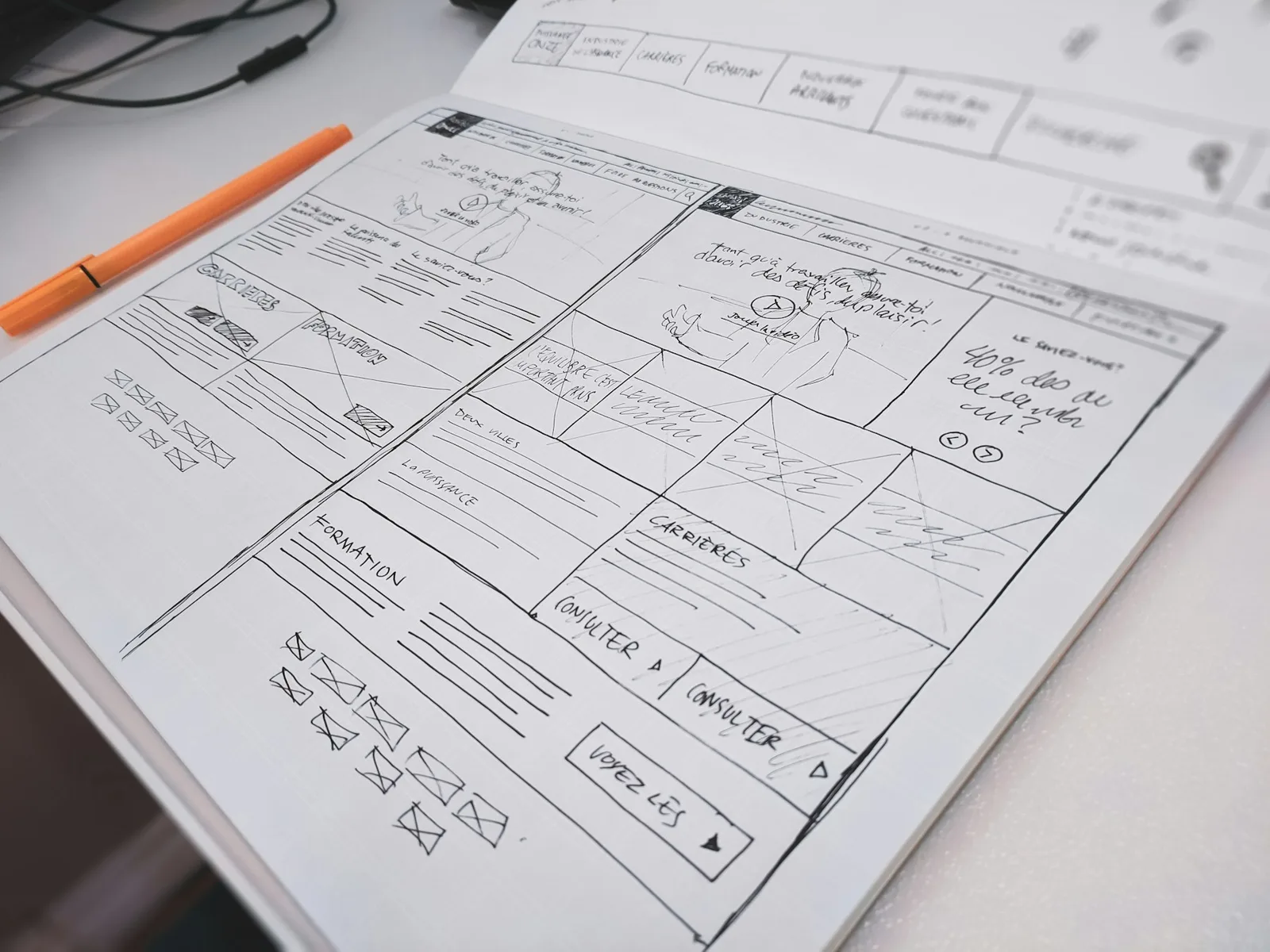
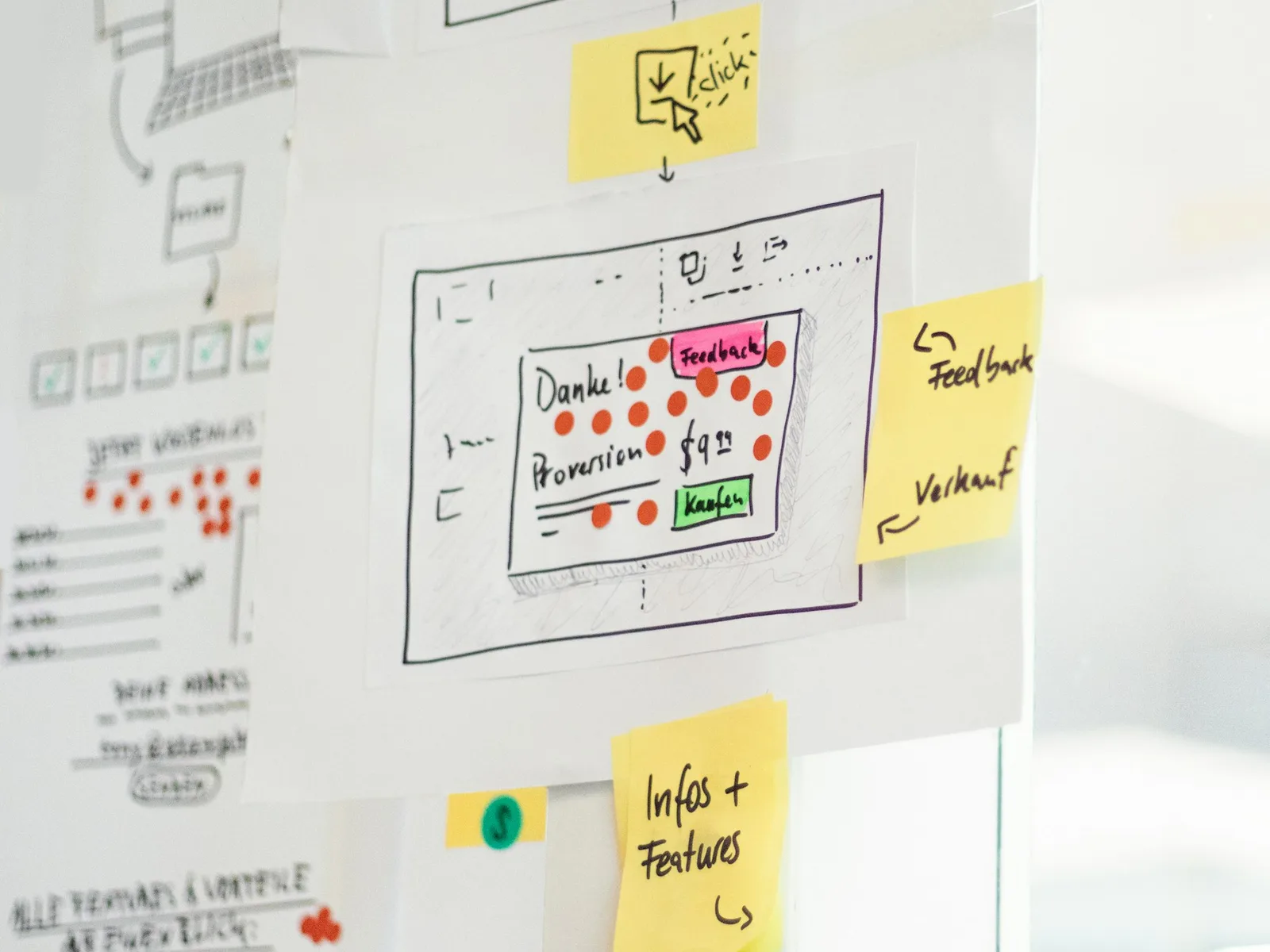
What should the journey look like before development? We design up to five screens or states and connect them into a clickable prototype.
A new design for one existing page, on desktop and mobile, with organised content and development notes.
Your enquiry is non-binding. An order is created only when you accept our quotation .

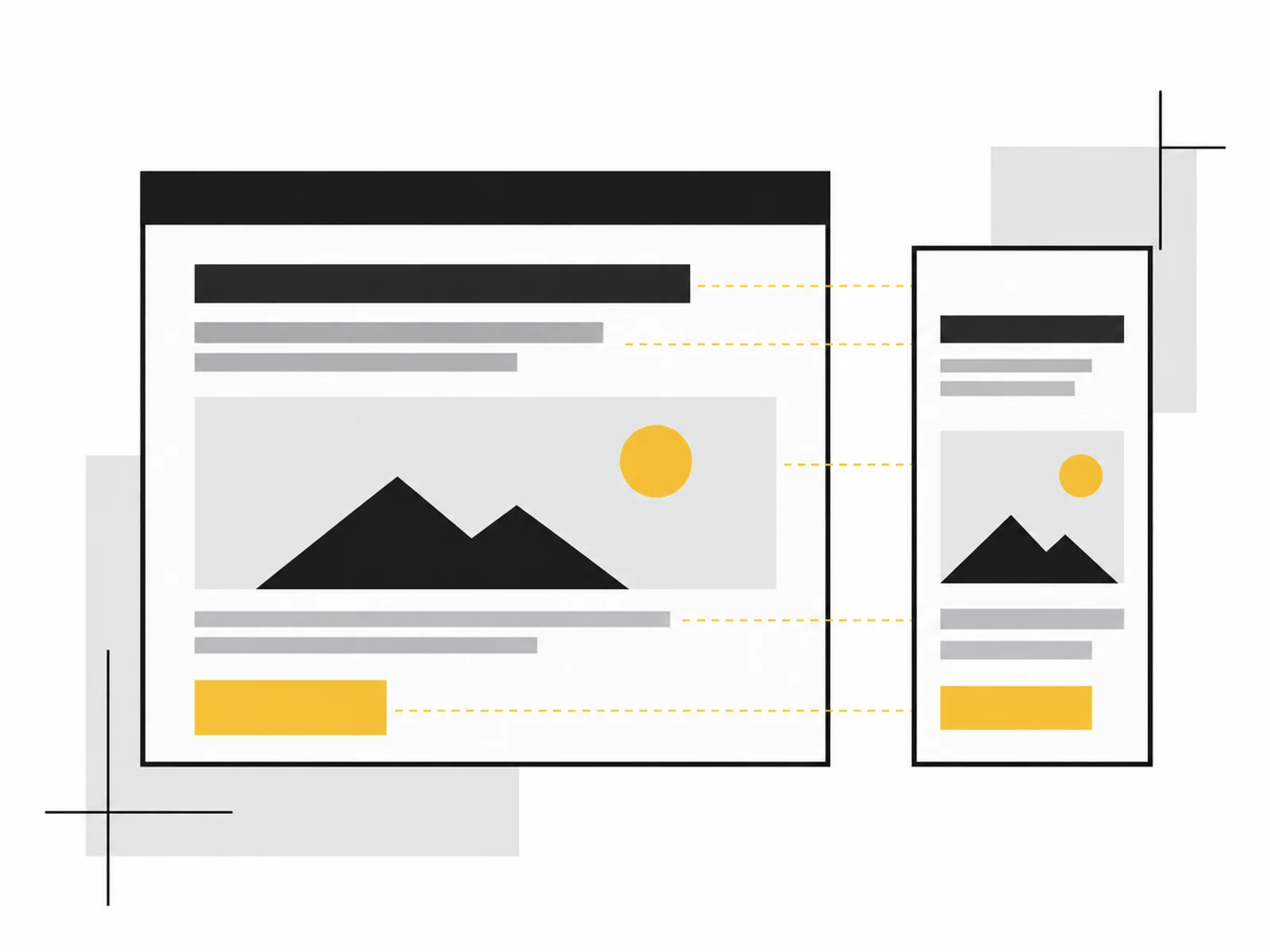


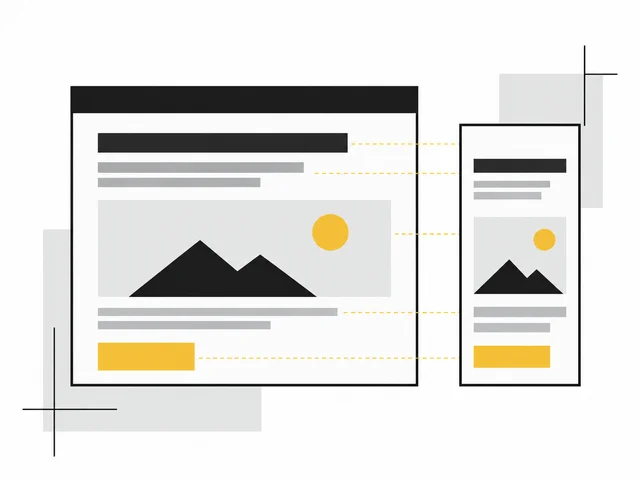
Image 1 of 4
The details exist, but visitors overlook them. We reorganise text, images and controls for one existing page type. The design makes relationships and the next available action clear.
UI stands for user interface. The package reworks one clearly defined page type for desktop and mobile. Content, images and text are considered together as decision support. It delivers a specific design for the existing page, not automatically a new website or brand concept.
In the design, we arrange existing information about the offer, process and contacts where it can be found at the right moment. Reviews, certificates and references are used only when they actually exist and are approved.
The work includes development guidance and one agreed revision. It shows the information sequence and relevant states of the agreed page type. Your team can plan technical implementation from it. If you first need to identify where the current page causes difficulty, an enquiry or purchase journey check is often a more targeted starting point.
The heading, action area and three notices compete for attention. We organise the page type so the entry point, important details and next action become recognisable.
Desktop columns merely get narrower on a phone. Text wraps awkwardly and the selector moves out of view. We develop the information sequence for both layouts.
The design looks elaborate, but deliverables or requirements are missing. We flag these content gaps and design using confirmed details of your actual offer.
We define which page to rework and what visitors should decide there. A product detail page, for example, needs different information from a general service page.
We organise headings, text, images and actions for desktop and mobile. Other page types and a complete design system are outside this design.
You receive the design, one agreed revision and handover notes. Coding is excluded.

Check the design with a task: can you find the right variant and its included items? Give feedback at the relevant location. ‘Measurements are missing before selection’ is more useful for revision than ‘The page needs more impact’.
If the fundamental user journey is still missing, a prototype is often the more suitable preceding task. Design implementation support compares an already approved design with ongoing development. The refresh's normal handover is not charged again as an additional service.
Consider what visitors should understand or choose on the page. Have existing design guidelines and the relevant visuals ready for the later discussion.
Identify which content and images are fixed and which may change. If rights or product details remain unclear, we need to know before starting design work.
What is included, what do you need and what happens after your enquiry?
The process in detail →No. The package covers the design and described handover notes. Development is handled by your existing team or through a separate commission. This keeps design and technical implementation clearly costed.
A page type might be a product detail page or service page with a particular structure. Several fundamentally different pages are not automatically included. We clarify the view and states to design before commissioning.
No. The design uses only evidence that exists and is approved. Where such proof is missing, a clear service scope and understandable working process can provide guidance. Design does not replace real evidence.
Yes, the defined page type is developed for desktop and mobile. The information sequence should be clear in both. Additional applications, other page types or unlimited special states extend the scope and require separate agreement.
Existing design foundations you provide are important context. The refresh does not automatically start with a new brand identity. State which requirements are fixed and which parts of the page type are actually open to revision.
Page scope, revision and work window are confirmed in writing before commissioning.
An existing page type and an agreed design goal Approved content, images and evidence that actually exists Existing brand guidelines where available Credentials must not be included in the enquiry. Details are agreed only after written commissioning.
One written follow-up round is included. The service scope lists the analyses, designs or technical changes covered by the package. We agree additional work with you before it begins.
First clarify what people do not understand on your page. Separate design, implementation and an assumed effect on orders or enquiries.
Read the guide ↗What should the journey look like before development? We design up to five screens or states and connect them into a clickable prototype.
Your developers are implementing an approved design. We compare two interim versions with the design and discuss agreed implementation questions.