


Ongoing support
UX decision advice
You are choosing between product options. We compare up to three using your existing materials and write a decision brief.
How do user questions inform your product decisions? We review documents and written feedback from your team and suggest up to five changes.
Your enquiry is non-binding. An order is created only when you accept our quotation .



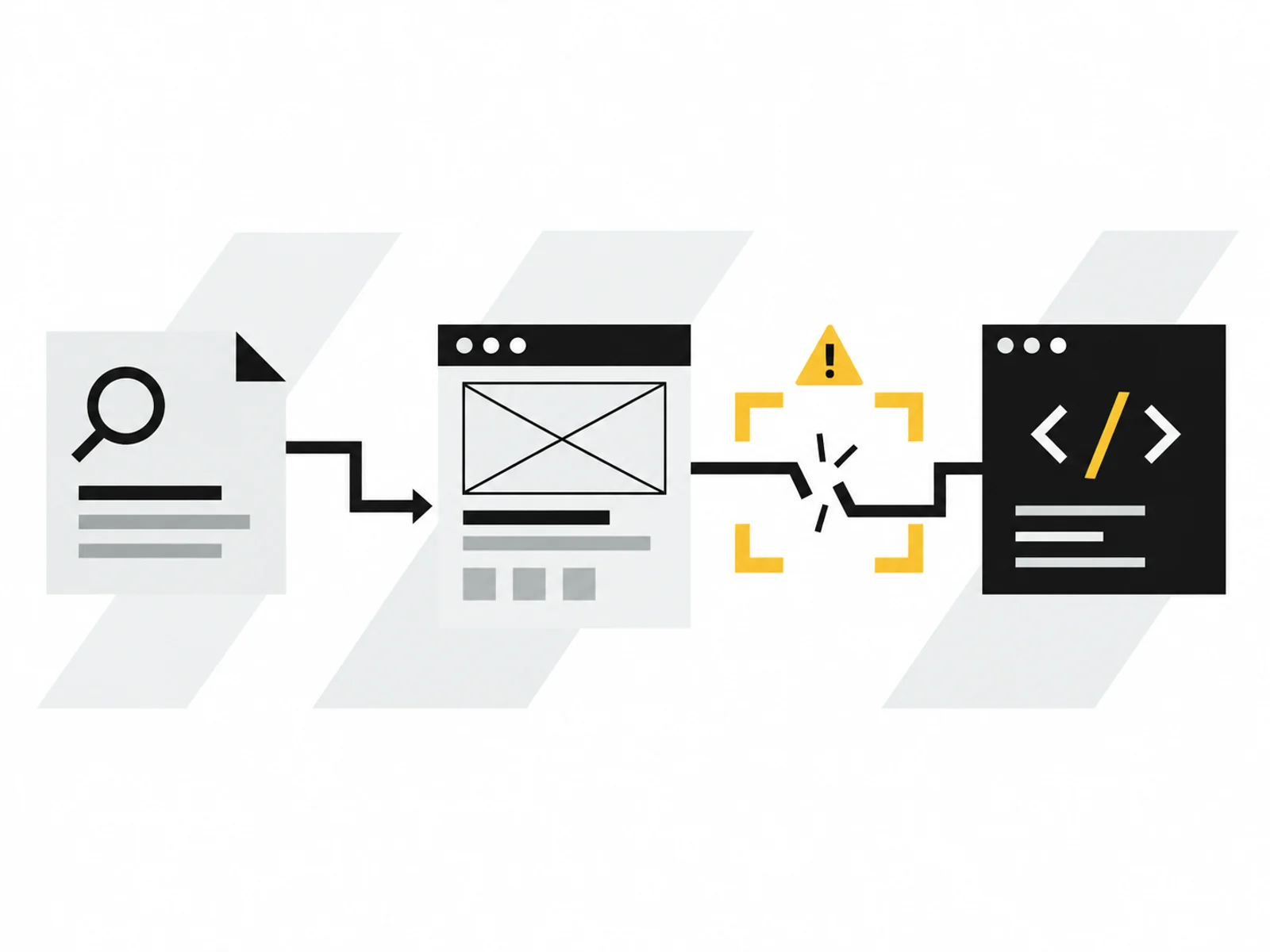



Image 1 of 4
An interview has been analysed and the design adjusted. Yet at handover, the team discusses the same question again. We investigate where insights, decisions or responsibilities get lost in the workflow.
The UX working-practices review examines one product team with an identified collaboration question. It uses up to five supplied process documents and written answers from no more than three internal participants. The focus is working practices, not individual employee performance.
A maturity model classifies working practices using defined criteria. For example, it can show whether a team regularly includes user research in decisions. We name the model used and base the assessment on documents you provide.
The result includes no more than five next steps with responsible roles. A step might be retaining decision reasoning in design handover or keeping open user questions visible in planning. An organisation-wide change programme is excluded. The aim is a manageable selection for the team examined.
Interview reports sit in a shared folder but barely feature in product decisions. Using your documents, we trace where insights enter planning and where that connection breaks.
Development asks about error states at every handover. Design already considers the views finished. We check which expectations and responsibilities are clarified at this point.
Everyone wants better UX work, but nobody knows where the team should begin. The review suggests up to five steps and names the responsibility each requires.
We clarify one specific question about collaboration in the product team and examine the agreed documents and answers. Organisation-wide analysis is outside the check.
Using documents, we trace how user questions, research, decisions and handovers connect. We record conflicting statements. Written feedback shows how participants describe the process; it does not replace observing every everyday situation.
You receive up to five suggestions with suitable responsibilities. Your team can review and implement them itself. A change programme is excluded.

Discuss proposed steps with the roles involved. For example, define who checks unresolved error states before design handover and where the result is recorded. Such an agreement can be tried and reviewed in the next project.
The check does not assess individual performance. Nor does it automatically examine your product's user interface. If one product decision rather than collaboration is central, UX decision advice is a closer fit. Design implementation support covers specific handover comparisons during development.
Note the product question you want to clarify and the current state: idea, design or usable application. We discuss this after receiving your enquiry.
For interviews and tests, we agree participant selection and the handling of research data in advance. You do not need personal interview data or confidential project documents for the first contact.
What is included, what do you need and what happens after your enquiry?
The process in detail →No. We consider the agreed processes, documents and handovers. Written feedback helps assess collaboration. The package is neither staff appraisal nor team certification.
An existing product team and a specific collaboration question are what matter. Roles can be distributed differently. We first check whether sufficient documents and participants exist for the described investigation.
The package provides an assessment and up to five next steps. Introducing new processes or a longer-term change programme is excluded. Responsible roles should be able to work on the proposed tasks specifically.
It means how clearly UX work is integrated into the team's described workflow, including research, decisions, handover and outcome review. The assessment helps prioritise further steps. It is not a certificate, staff appraisal or statement about individual employees' worth.
Documents showing your actual process help, such as a research brief, decision template or design handover. The review examines no more than five supplied process documents. Their connection to the agreed question matters, not a comprehensive presentation of the whole company.
The scope provides for written answers from no more than three internal participants. Additional interviews are excluded. The result accounts for the chosen evidence; it is not presented as a complete survey or representative view of the whole company.
If the collaboration question fits, the investigation can clarify which information or decision is missing from the existing process. A new tool is not automatically the answer. The service excludes procurement, licence advice and full introduction of a software platform.
Document scope and the work window are confirmed in writing before commissioning.
An existing product team and a responsible contact Sanitised process documents that may be shared for review Up to three internal participants answering the agreed questions in writing Credentials must not be included in the enquiry. Details are agreed only after written commissioning.
One written follow-up round is included. The service scope lists the analyses, designs or technical changes covered by the package. We agree additional work with you before it begins.
What must work before the first use? Review a user journey including failure cases and record which technical questions remain afterwards.
Read the guide ↗You are choosing between product options. We compare up to three using your existing materials and write a decision brief.
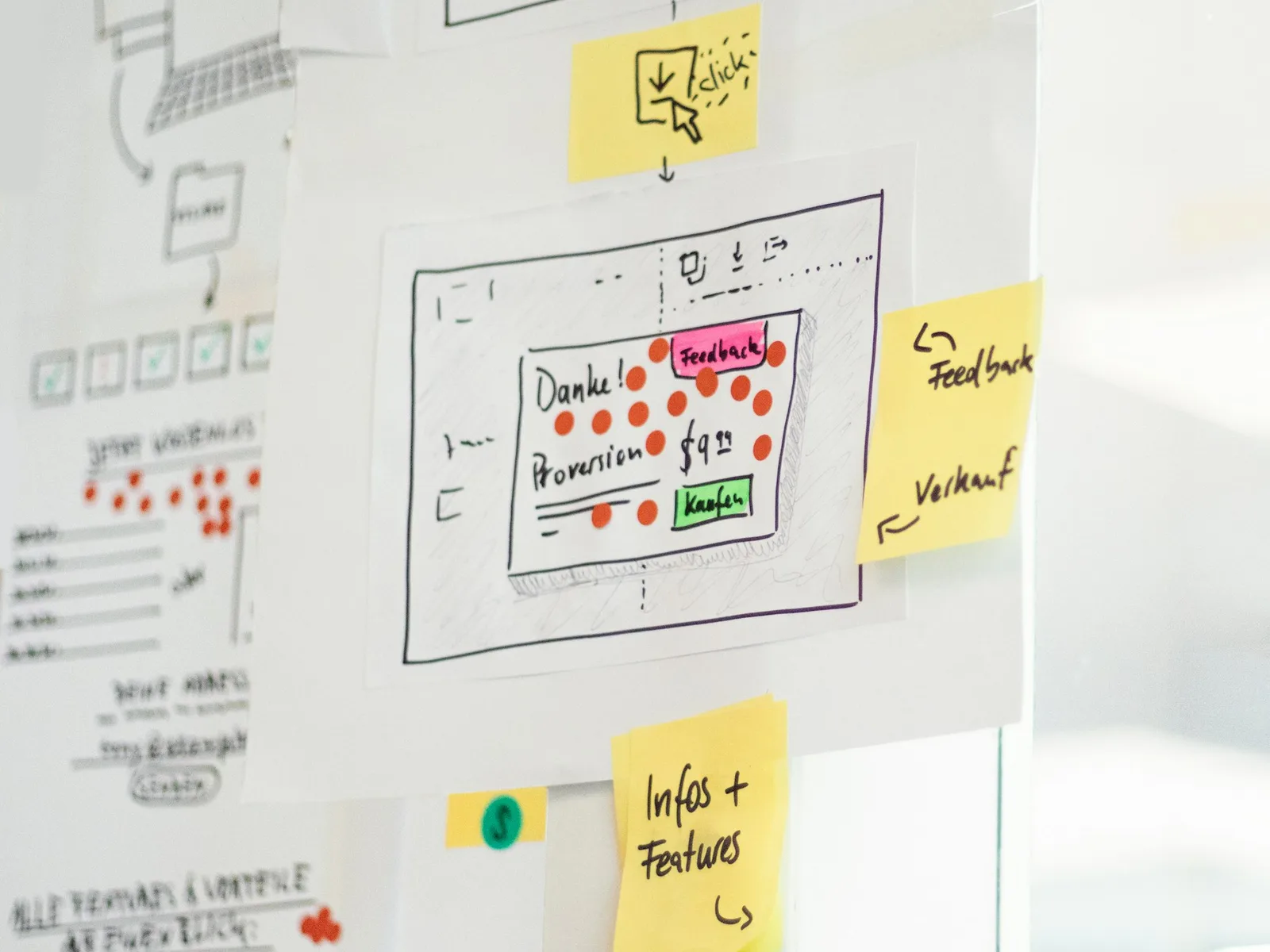
Your developers are implementing an approved design. We compare two interim versions with the design and discuss agreed implementation questions.