

Purchase journey check
We review one product page and the cart. Find out where information is missing and which changes to test first.
VAT-exempt under section 19 of the German VAT Act
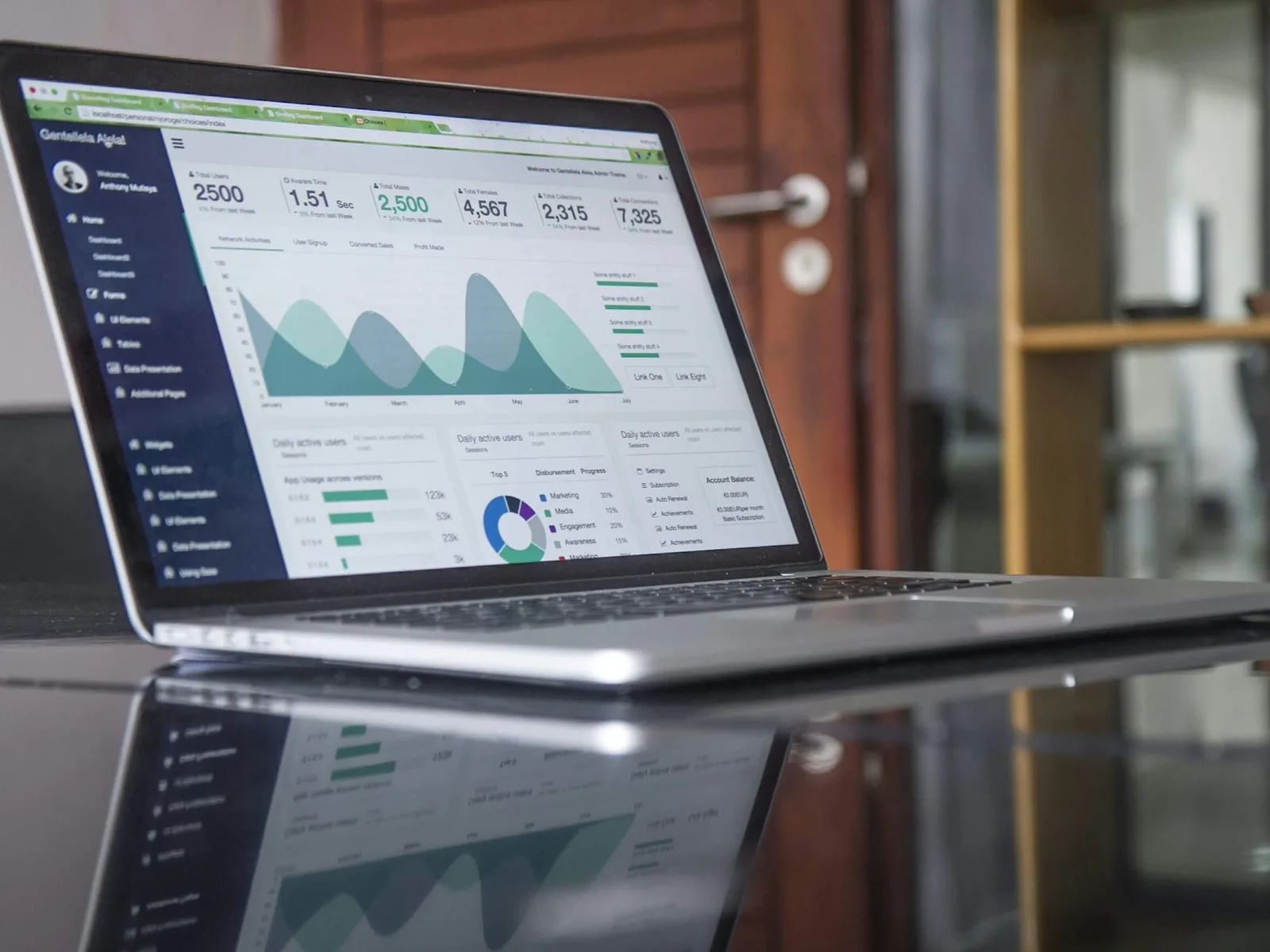
We review one product page and the cart on mobile and desktop. Annotated screenshots show the obstacles on your own pages and which change we would address first.
View the purchase journey check See a working exampleA new look does not answer a size question. We start where customers choose a variant and check their selection in the cart.
See the exampleSomeone choosing between M and L needs size guidance beside the selector. Detours through the page are especially noticeable on mobile.
The variant changes but the old image stays. Or shipping information is missing. These locations can be investigated specifically.
The purchase journey check covers one product page and the cart. The shop diagnosis adds existing analytics data. If the shop loads too slowly, choose load time analysis.

We review one product page and the cart. Find out where information is missing and which changes to test first.

We examine one purchase journey and the available analytics data. The report sets out findings, open questions and the next tests.

We measure up to three page types under documented conditions and show your developer where to start.
The shop diagnosis includes the purchase journey check. You need only one of these services for the same journey.

Explain dimensions and fit right here.

A spare part needs different information from a sofa. The review therefore starts with your range and a specific purchase journey.
Purchase journey checkDoes the spare part fit my device? Will the sofa fit through the door? We check whether compatibility, dimensions and materials can be found at selection. After switching variants, imagery and availability need to match the new choice.
On mobile, we also examine the steps between: how far apart are selection and Add to cart? Does a notice hide the next action?
The cart must identify the selected variant. After a quantity change, quantity and price must agree. Removing an item needs understandable feedback.
Your shop provider establishes where the behaviour originates: the theme, an extension or an API. The finding identifies where it becomes visible.
Fewer orders do not explain the cause. A size may have sold out or a campaign may have brought different visitors. The shop diagnosis therefore examines the journey and data for the same period.
Definitions must agree too: Shopify distinguishes sessions with a purchase from orders because one session can produce several orders. Clarify such differences before turning a figure into a change request.
Shopify: distinguish sessions and ordersYour shop provider should receive a task that can be implemented and checked.
Identify a product page and what you have noticed there. The report shows the location and a reasoned change proposal. One round of written follow-up questions is included.
Can the size now be found? Is the variant correct in the cart? Repeat the same task. The effect on orders requires separate evaluation.

A backpack may need a view of its compartments. Furniture may need a size comparison in a room. Another atmospheric photograph does not answer those questions.
The imagery and brand review helps assess existing images and prepare the next shoot. Image production is a separate service.
This check is too early for a shop still being built. It needs an accessible product page and cart.
Ask us for advice How a project worksAnnotated screenshots of your product page and cart, suggested changes and a reasoned order. One round of written follow-up questions is included.
Yes, for the visible use of one product page and the cart. To investigate existing analytics data as well, choose the shop diagnosis. It already includes the qualitative check.
For the purchase journey check, an accessible shop and a short product description are enough. Customer data and tracking access are not required. For a shop diagnosis, we agree aggregated data or limited read access.
Yes. The report is intended to be shared. The displayed price covers the review. You decide afterwards who implements changes and what that costs.
An interface problem alone does not support that calculation. After a change, its relationship with orders needs investigation. For planning, compare your own assumptions with costs in the calculator.
Turn a general wish to rebuild into a reasoned list of changes.
Before the shop redesign