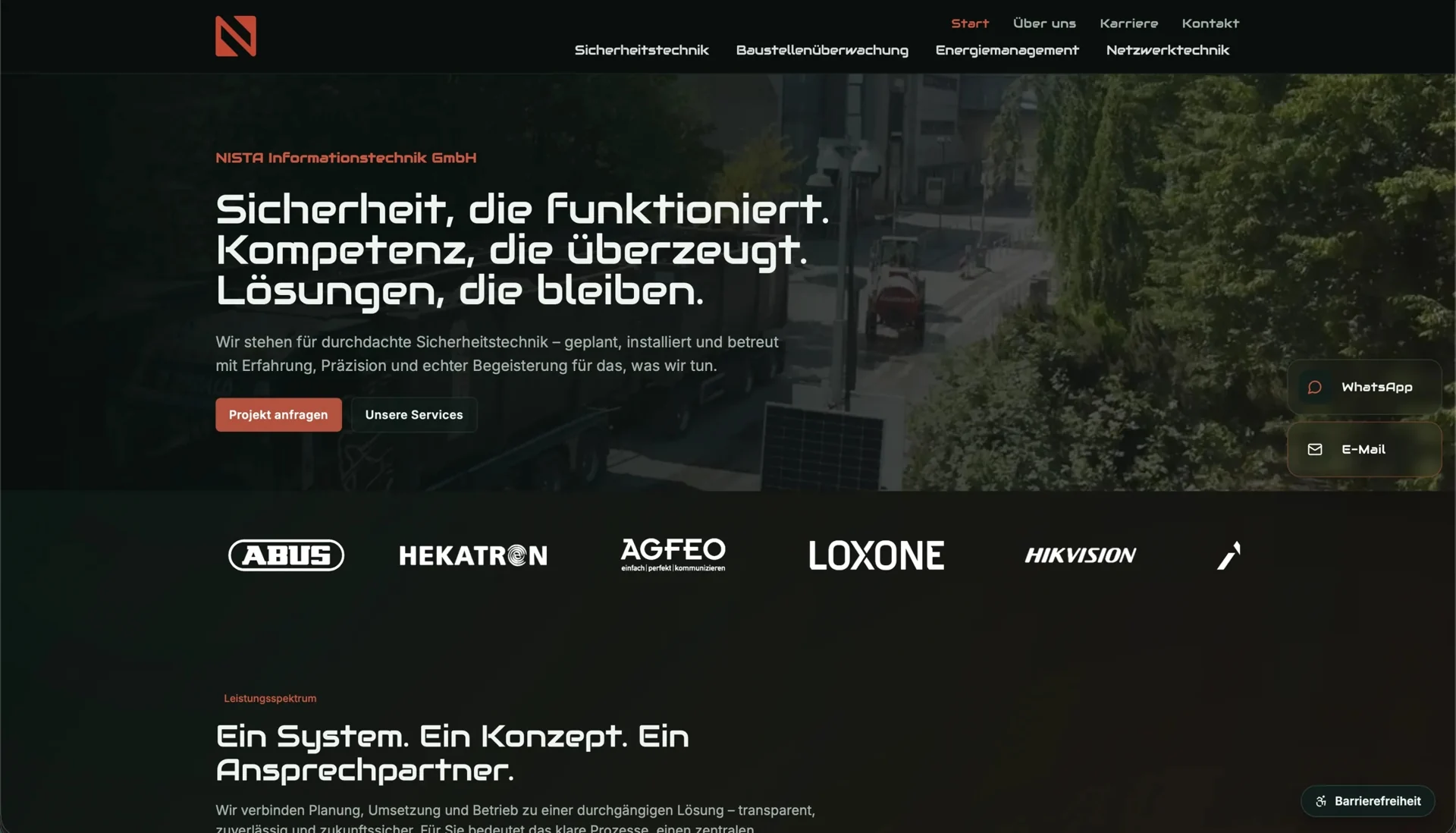
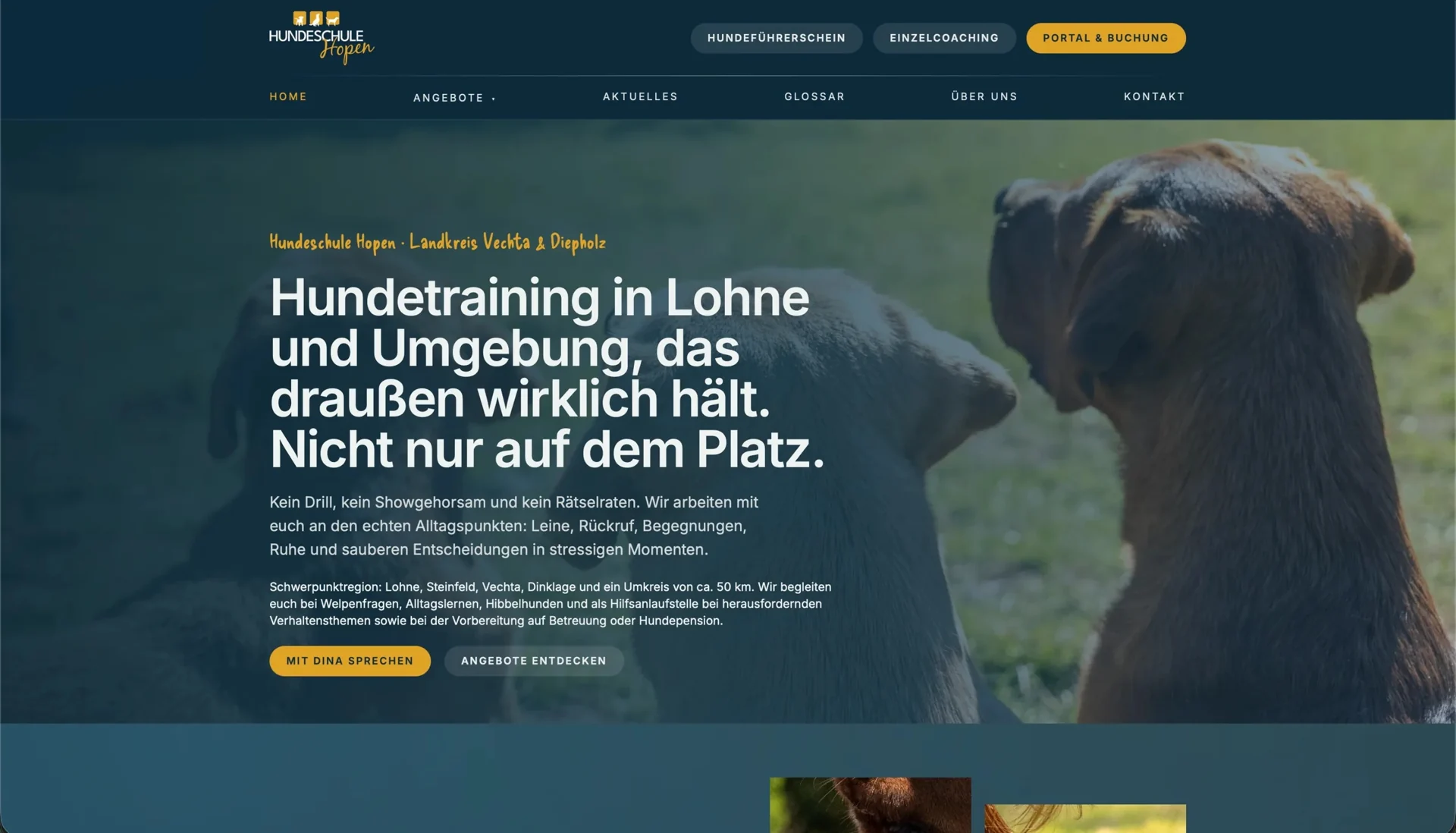
Someone following a link from your post expects a continuation of the topic it announced. If the destination leads with a different offer, prospective customers have to work out the connection themselves. Message match therefore means reviewing the post, link wording and first screen together: does the page continue the promise and offer the announced next step? This applies to paid ads and organic reel views alike.
Which promise does someone bring with them?
To assess the transition, it helps to describe in a sentence what the video or post actually communicates: a difficulty, an explanation or an offer. Pair that with the next action announced by the link. You can then compare the promise someone brings with their first impression of the destination, rather than judging the two pieces separately.
A post can teach something without immediately creating demand for advice. In that case, the destination should first continue the useful explanation. If you explicitly offer a review, its scope and enquiry route must be accessible. Do not silently replace the promised help with a different offer.
Google’s description of advertising landing pages includes relevance and expectations after the click. An organic reel destination should also explain the next step that was announced.
Reconnect the topic in the first screen
Consider this example: a reel explains why a small button is difficult to use on a phone and offers a review of the contact journey. The destination should show which parts are reviewed and what a finding looks like. A general agency introduction leaves those questions unanswered.
The device people usually use to view the post is the best place to assess that transition. It shows whether the heading, introduction and next action are understandable before scrolling past several large images. An obstructing bar or a broken link inside the social app’s browser can also interrupt the journey even when the page works on your office computer.
Our enquiry review examines an offer page and its contact flow. Subsequent design or implementation is agreed as a separate part of our CRO work.
Match the effort of the next step
“Enquire about a project” may be a large leap for someone who has just discovered you. Show what they can establish before enquiring: the area being reviewed, scope and information required.
Label a non-binding question as such. If the offer is a paid review, make its price and scope clear. Only promise something free or immediately available when that is how it is actually offered.
A clear next action makes it easier for prospective customers to judge the effort involved. A form that might mean registration, advice, newsletter sign-up or appointment booking leaves its purpose uncertain. Other routes can remain accessible, but should be recognisable as different offers.
Evaluate the transition separately from the enquiry
Reel views, profile visits, website visits and received enquiries are different events. A successful video may attract a broad audience. Whether it generates suitable contacts needs checking further along the journey.
Use lawful campaign labels consistently; our UTM naming guide explains preparation. Never put personal information into the links.
If many people watch the video but few reach the website, check the announced link route first. If visits arrive without suitable enquiries, investigate the destination and contact flow. Video views alone do not distinguish between those two tasks.