

Our work: websites, apps and creative projects.
Websites, digital products, brand materials and immersive experiences: explore the challenges we took on, how we approached them and what we delivered.
Websites, products & brands
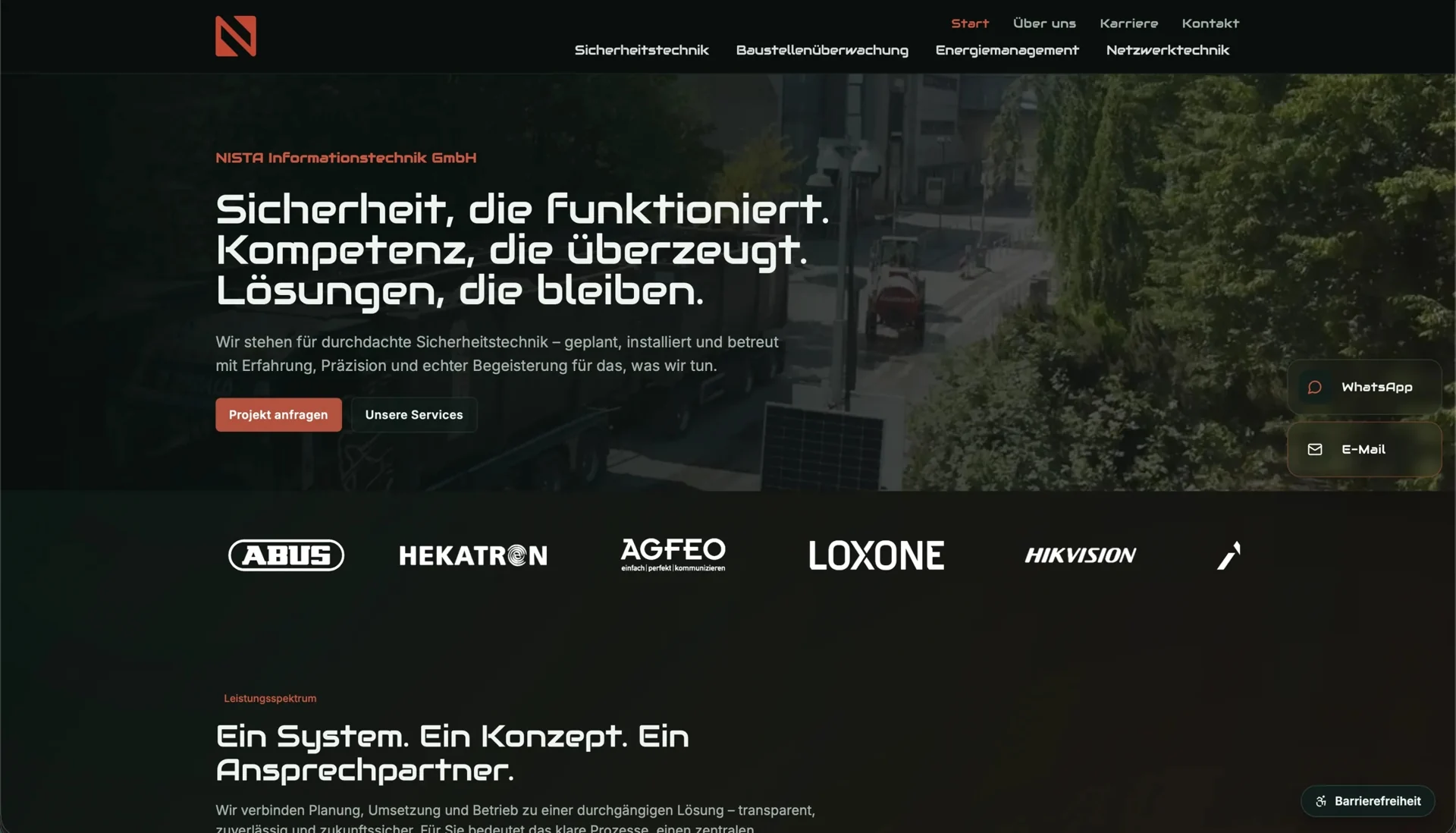
NISTA-IT GmbH
A consistent identity with dedicated service pages and direct routes to a relevant enquiry.
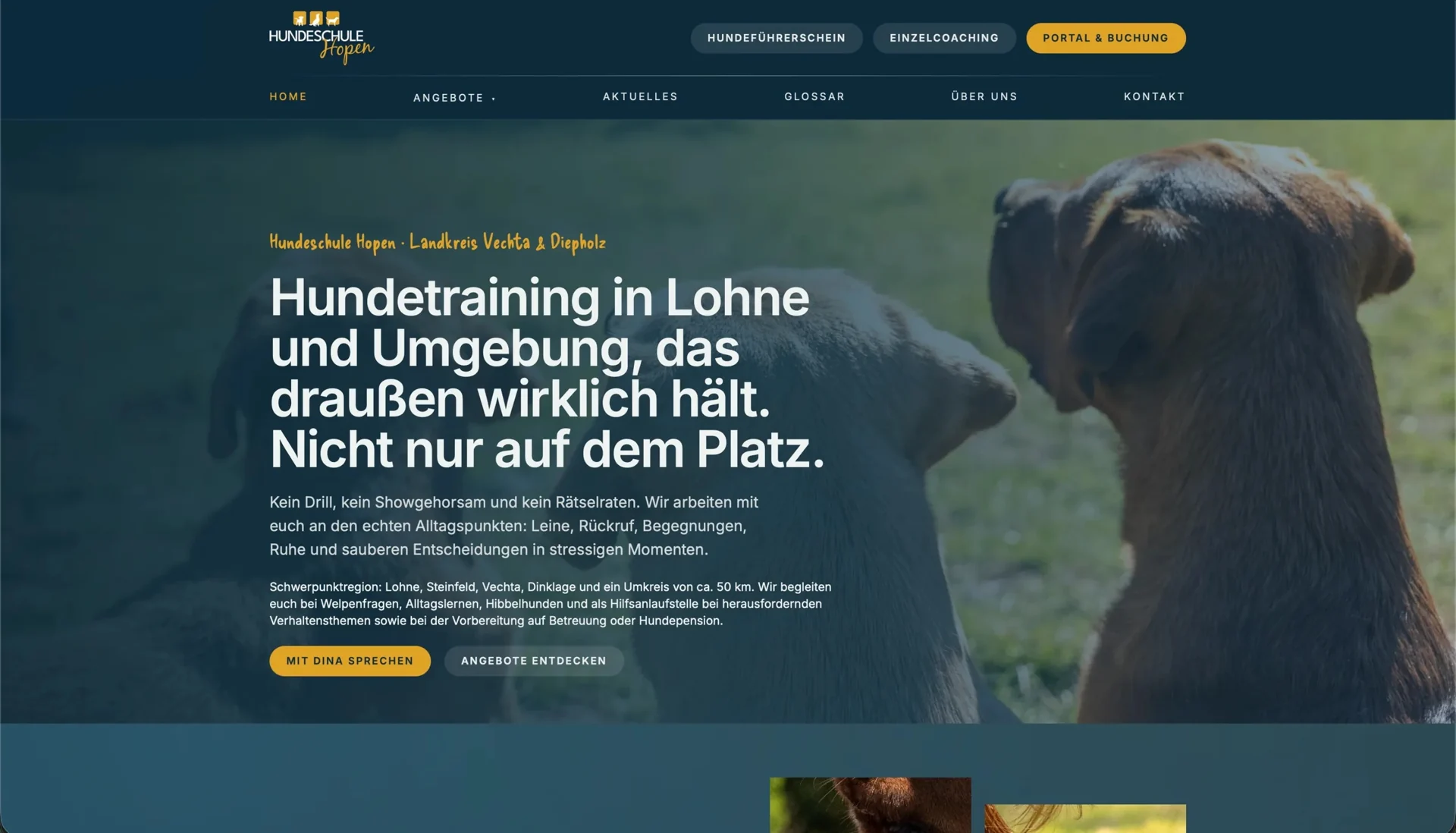
Hundeschule Hopen
A personal identity with clear training information and direct access to the booking portal.
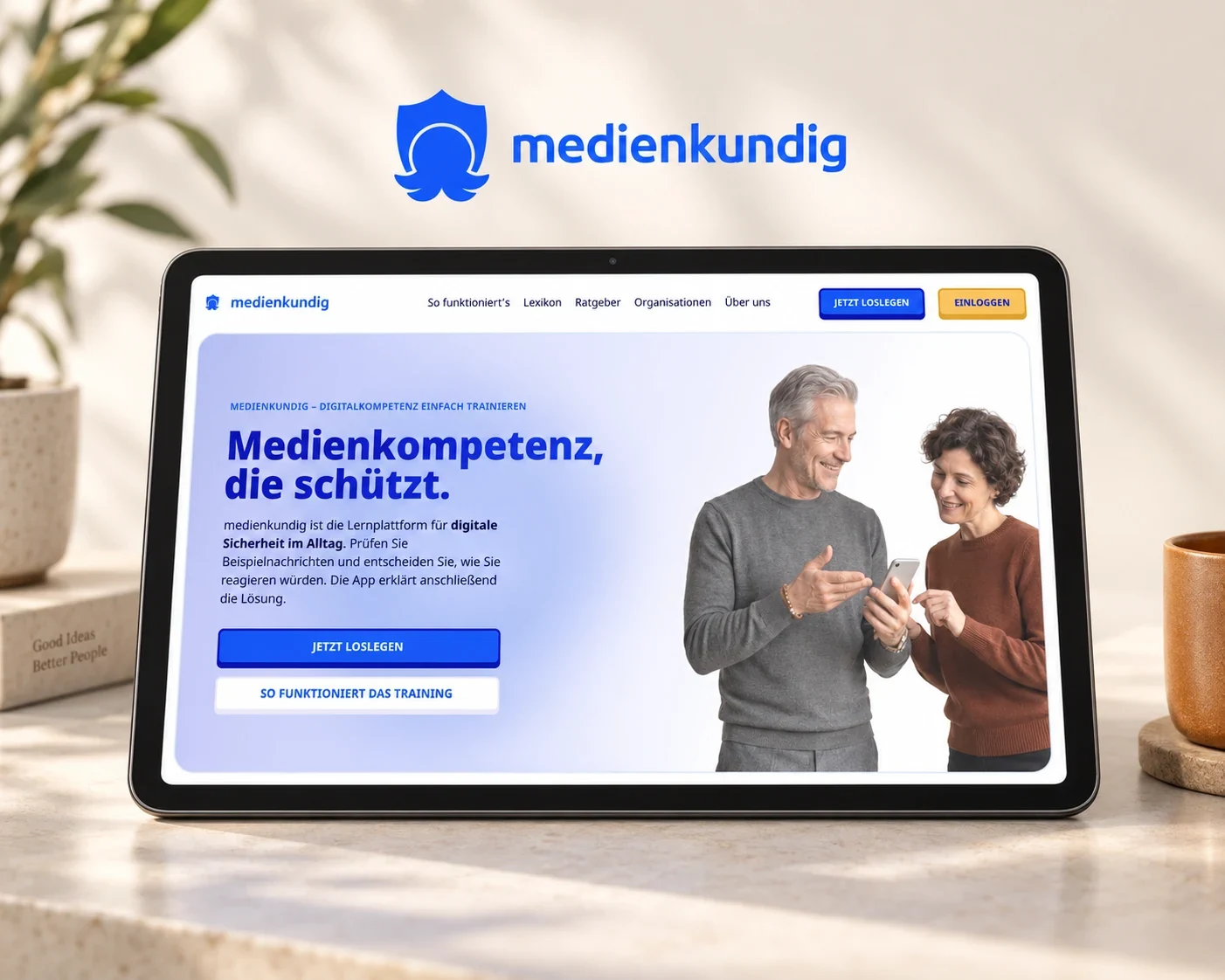
medienkundig
A learning product with a recognisable identity, guided onboarding and interactive exercises.
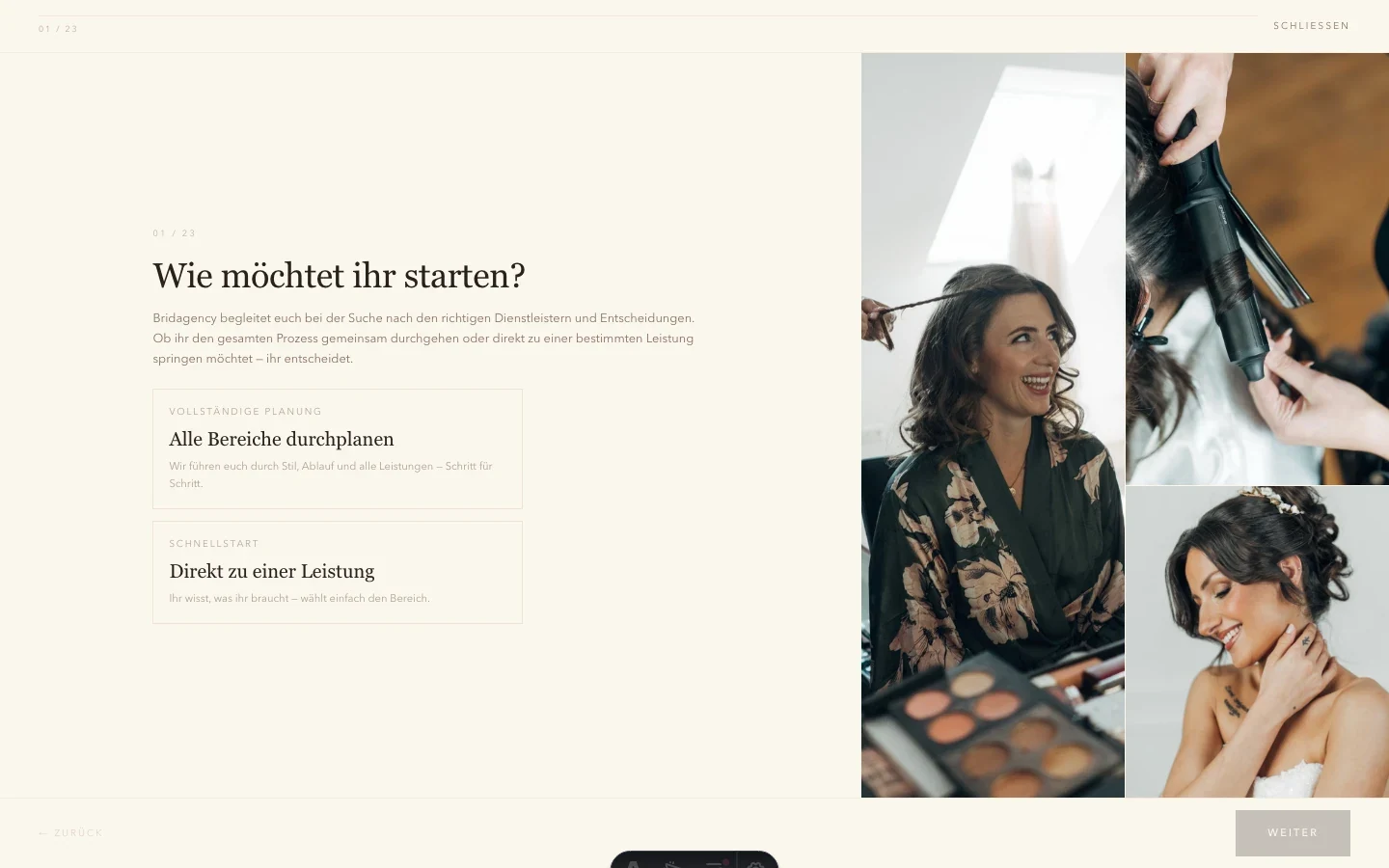
Bridagency
A 23-step planner with direct access to individual services and an adjustable budget allocation.
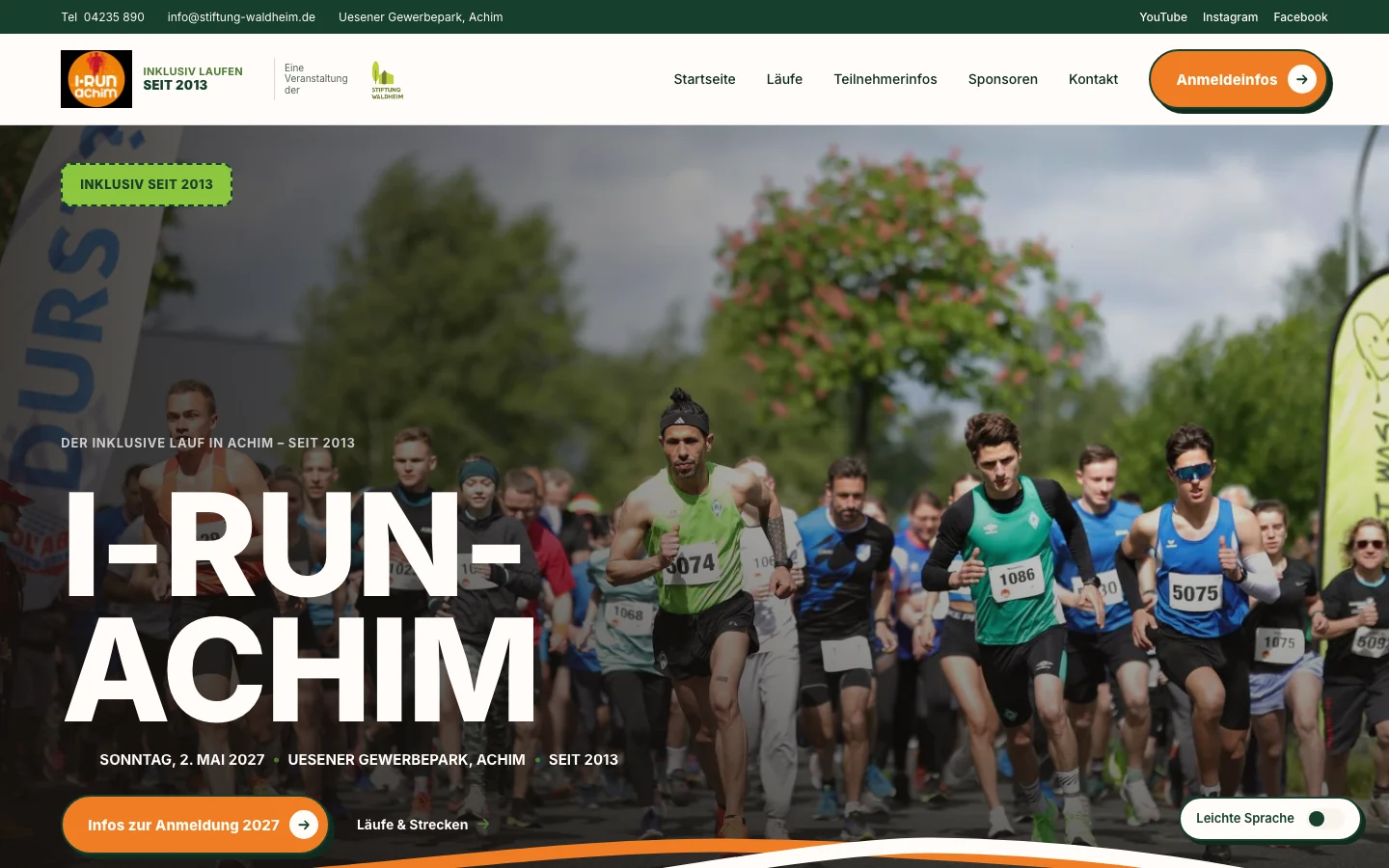
Stiftung Waldheim · I-Run Achim
An editable website that brings project information and routes to participation together.
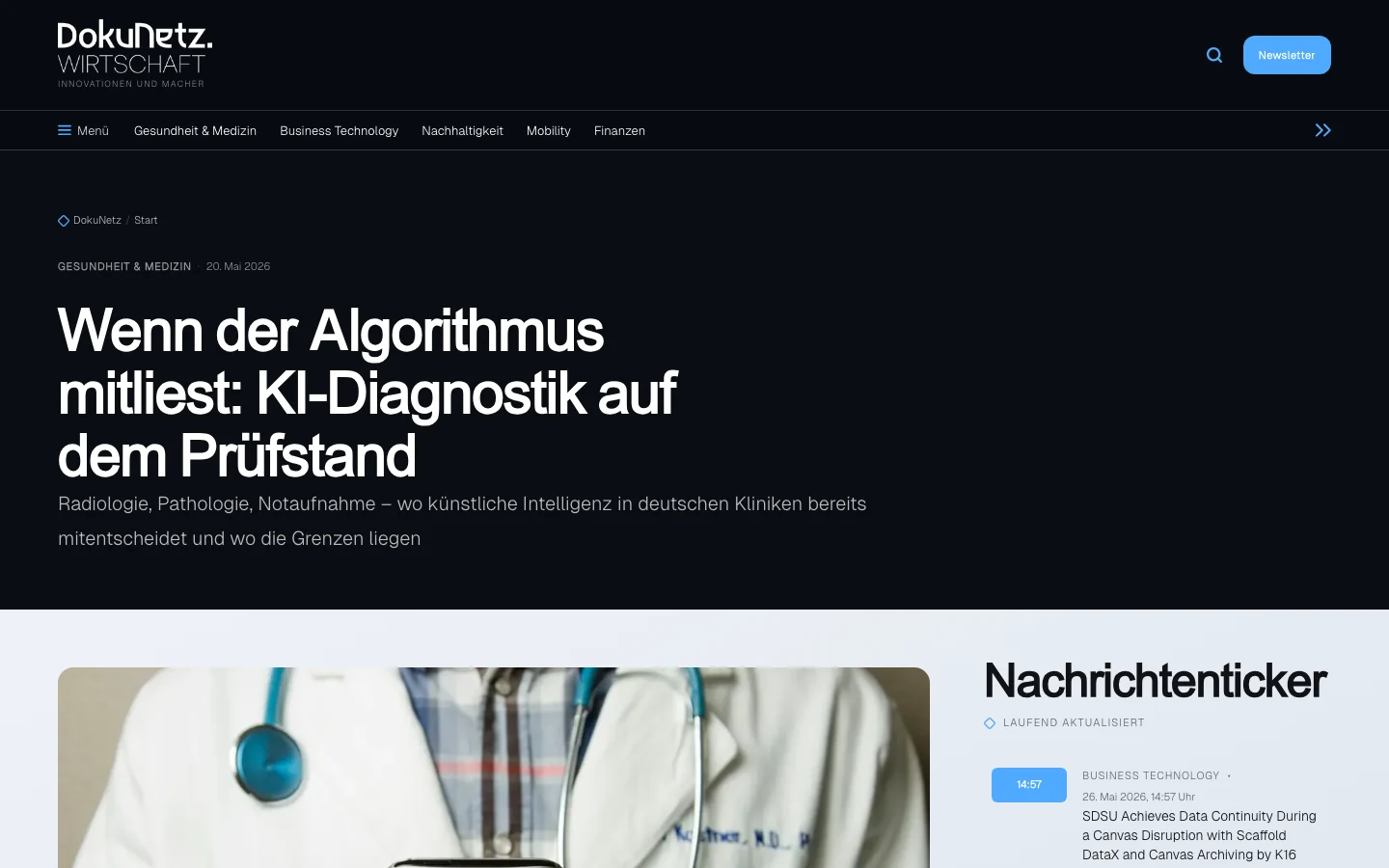
DokuNetz Wirtschaft
A platform with public article pages and a dedicated editorial workspace.
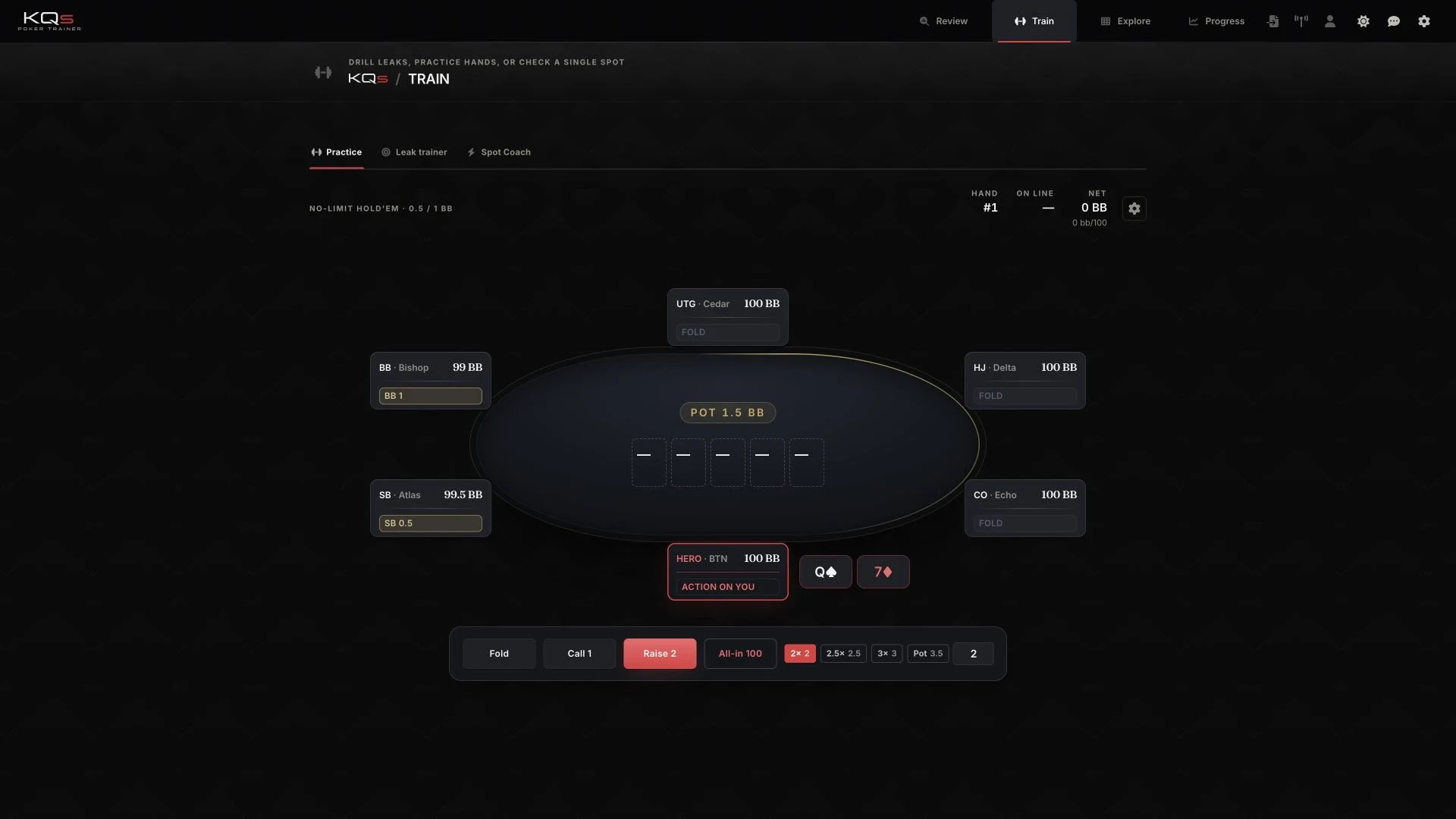
KQs
A connected journey from local hand import through review to a training session.
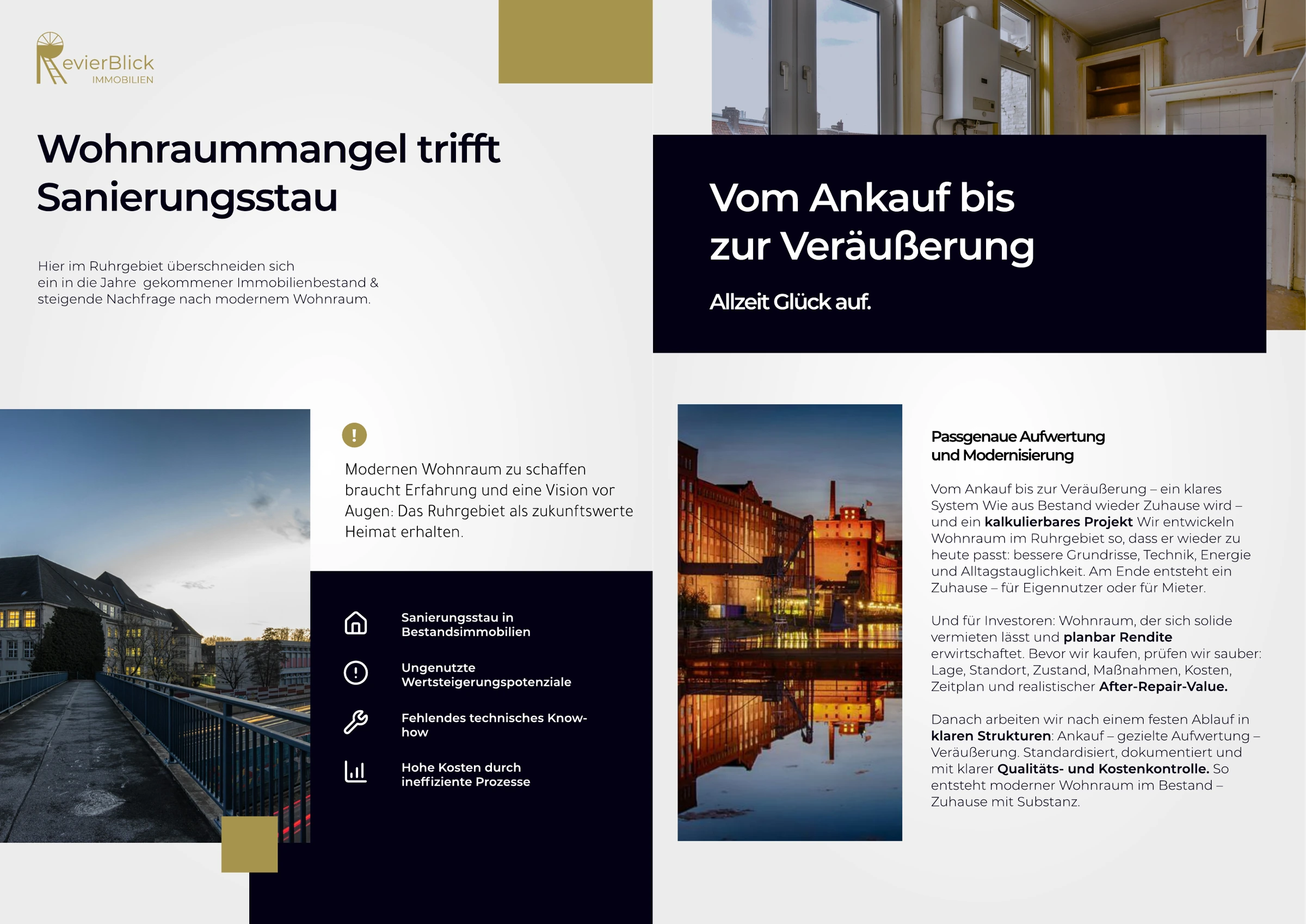
RevierBlick GmbH
A consistent brand identity with project materials for digital sharing and print.
Creative projects
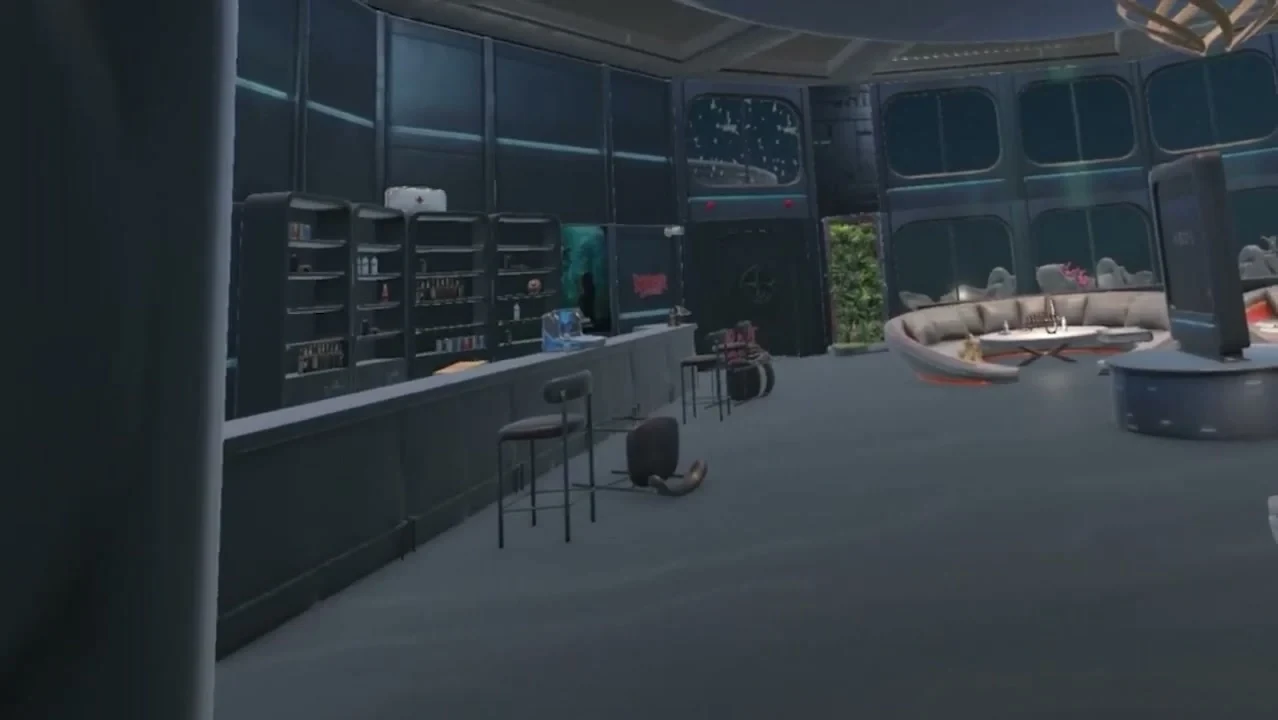
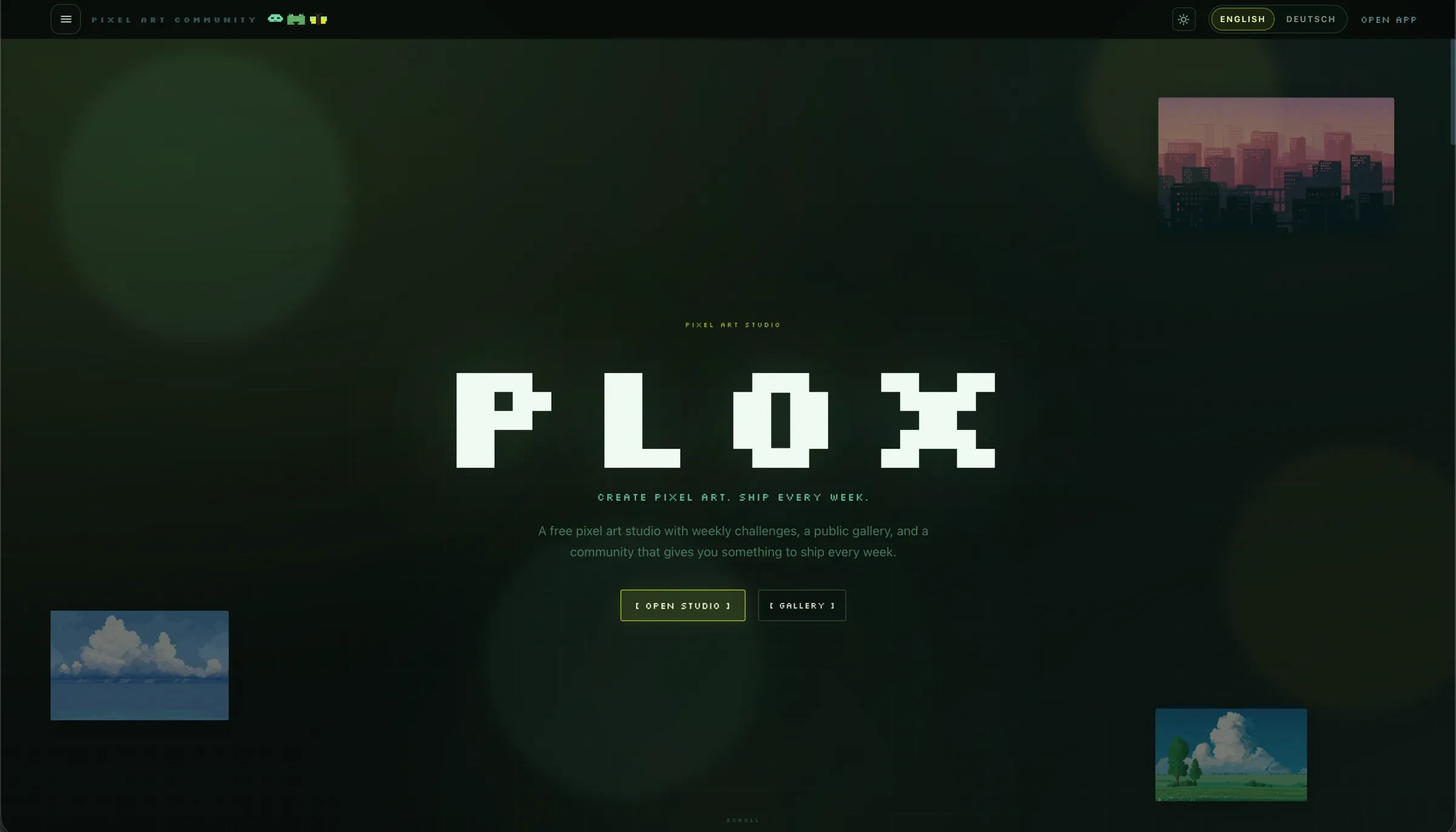

A reference becomes useful when the task and contribution are clear. SAND & MEHR’s projects show different starting points and how content, design and technology were adapted to them.
Compare projects by their task
A screenshot in a web design reference initially shows the visible interface. Assessment also needs to consider which questions the project addressed. A broad company offer needs a different structure from a single course or an application with several work steps. The project description explains that relationship.
For NISTA-IT, brand and website were developed together. Different IT services needed to be understood and enquired about from the respective project context. Contributions include content architecture, responsive interfaces and technical implementation. This reveals an approach without assuming identical requirements for every corporate website.
Consider content and contact together
For Hundeschule Hopen, the focus is explaining training offers and helping dog owners find the appropriate next step. The described contribution includes the website, photography and communication material, and connection to the booking portal. A course page needs clear prerequisites and entry guidance before people decide to register.
For your own website, ask which information is required before contact. A project in another industry may reveal the same relationship without providing a directly transferable recipe. Wording and process need to fit your offer. A reference does not replace this business clarification.
Examine research and development in the product
Digital products need rules and states alongside pages. The medienkundig project connects user research, product concept, brand and a design system with web application development. For Bridagency, the contribution to the bilingual platform includes UX research, interaction design and budget logic.
These references support comparing UX and software development when your project has a multi-step journey. Consider how input, orientation and outcome connect. This does not mean every visible function in a project is included in one catalogue service. A new commission is scoped around its own requirements.
Whether work is a client project, own product or concept also matters for comparison. Different contexts produce different decisions. Read the described setting alongside the visible outcome. An interesting interaction may inspire a direction but still needs justification for your own journey and coordination with required data and functions.
Derive an appropriate question from a reference
If a project interests you, name the feature relevant to your own work. It may be the structure of several services, clear selection or frontend-backend integration. A specific connection supports consultancy better than a request to copy a whole website unchanged.
Reference pages describe existing work. They do not promise identical outcomes, metrics or economic effects for another project. Send your link and unresolved task for the next step. Then clarify whether investigation, design or technical implementation is needed and which prerequisites are available.